Last updated November 23, 2026
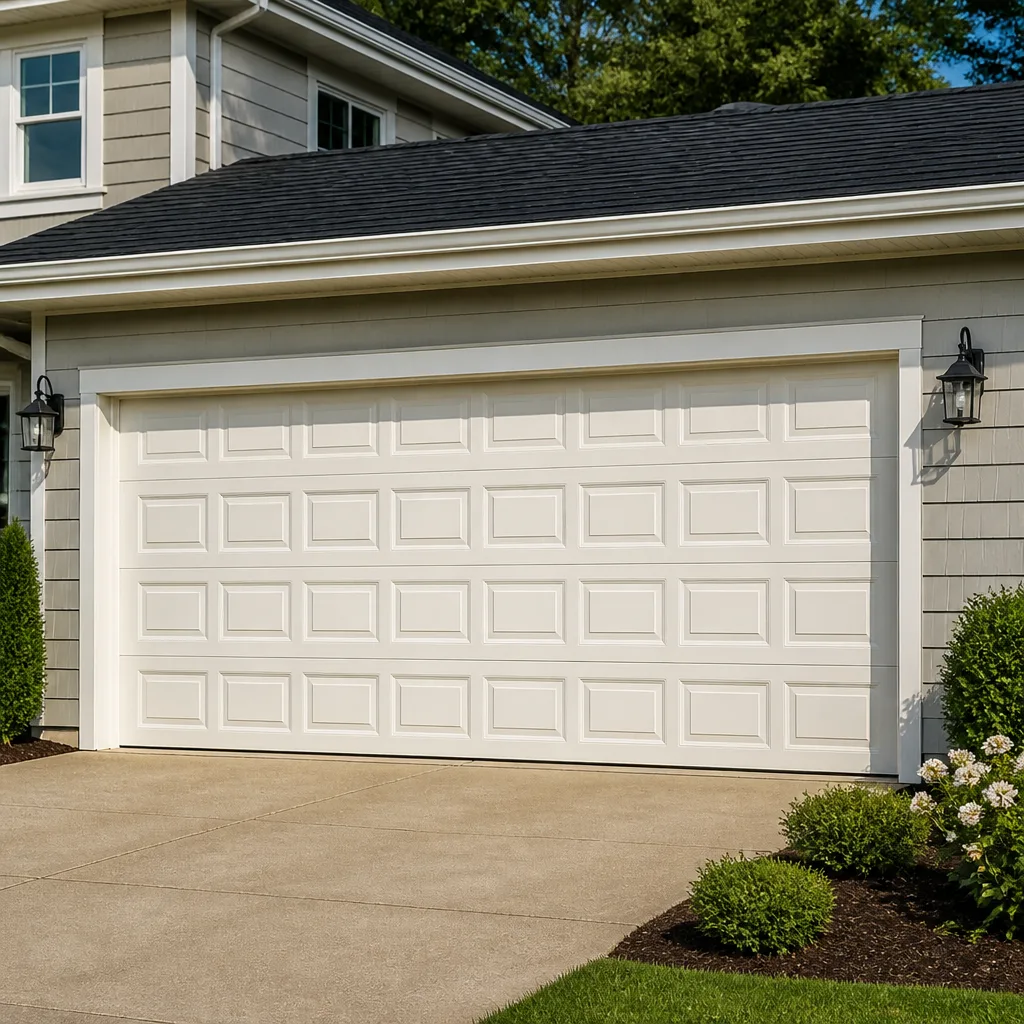 Raised-panel steel
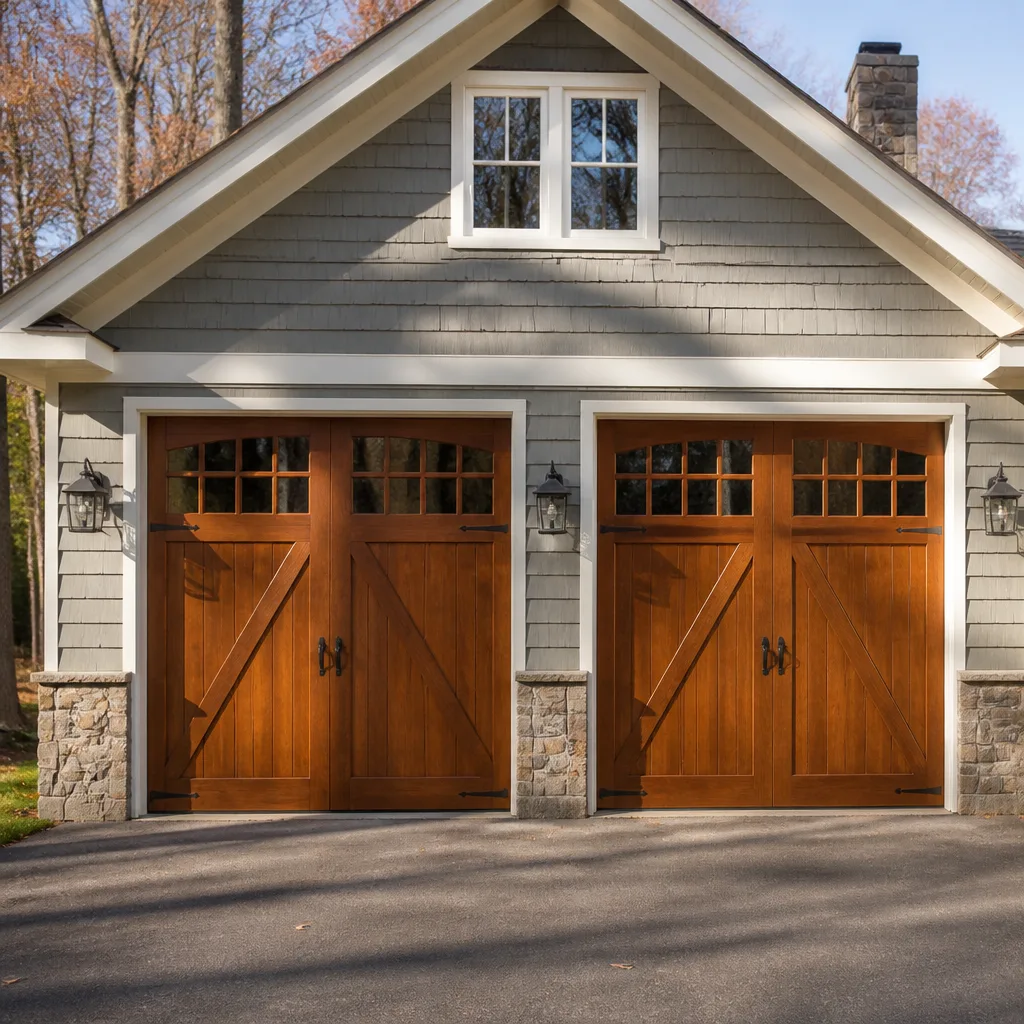 Carriage house
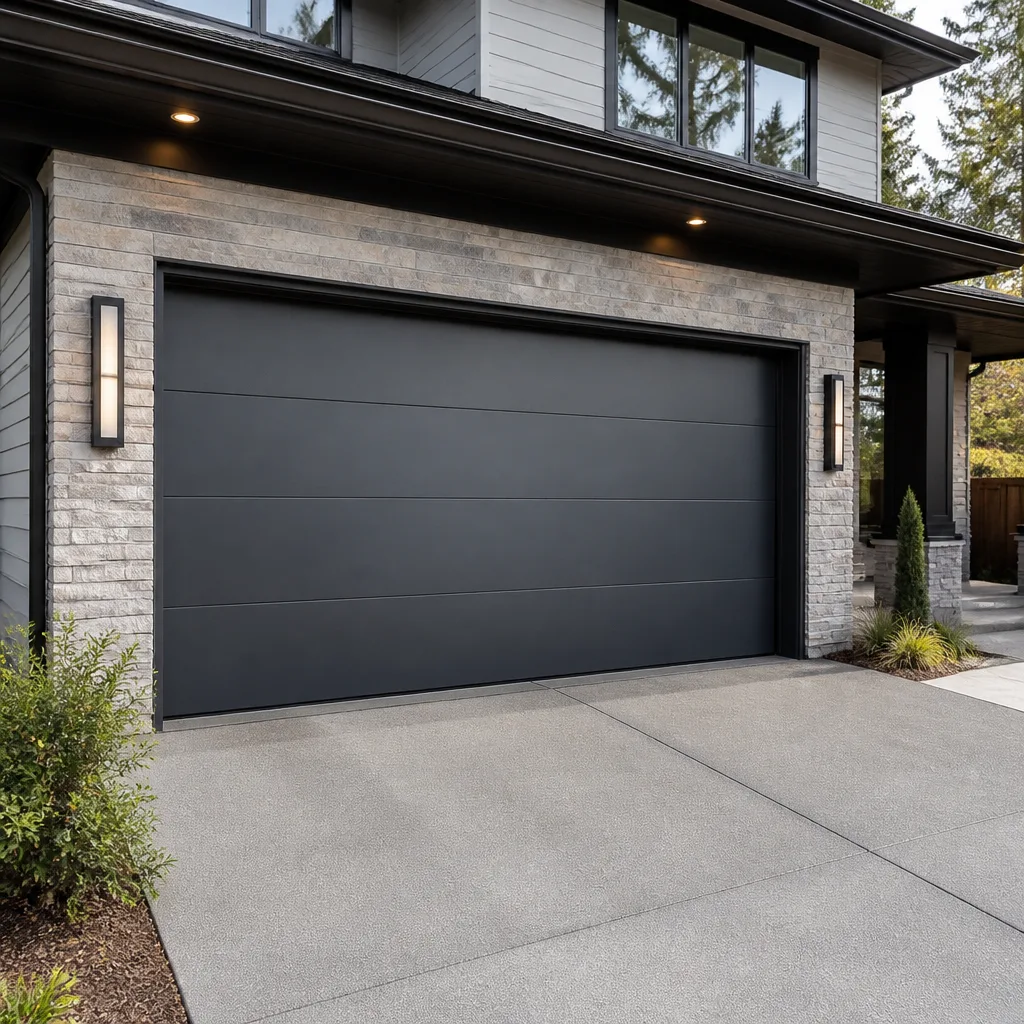 Modern flush
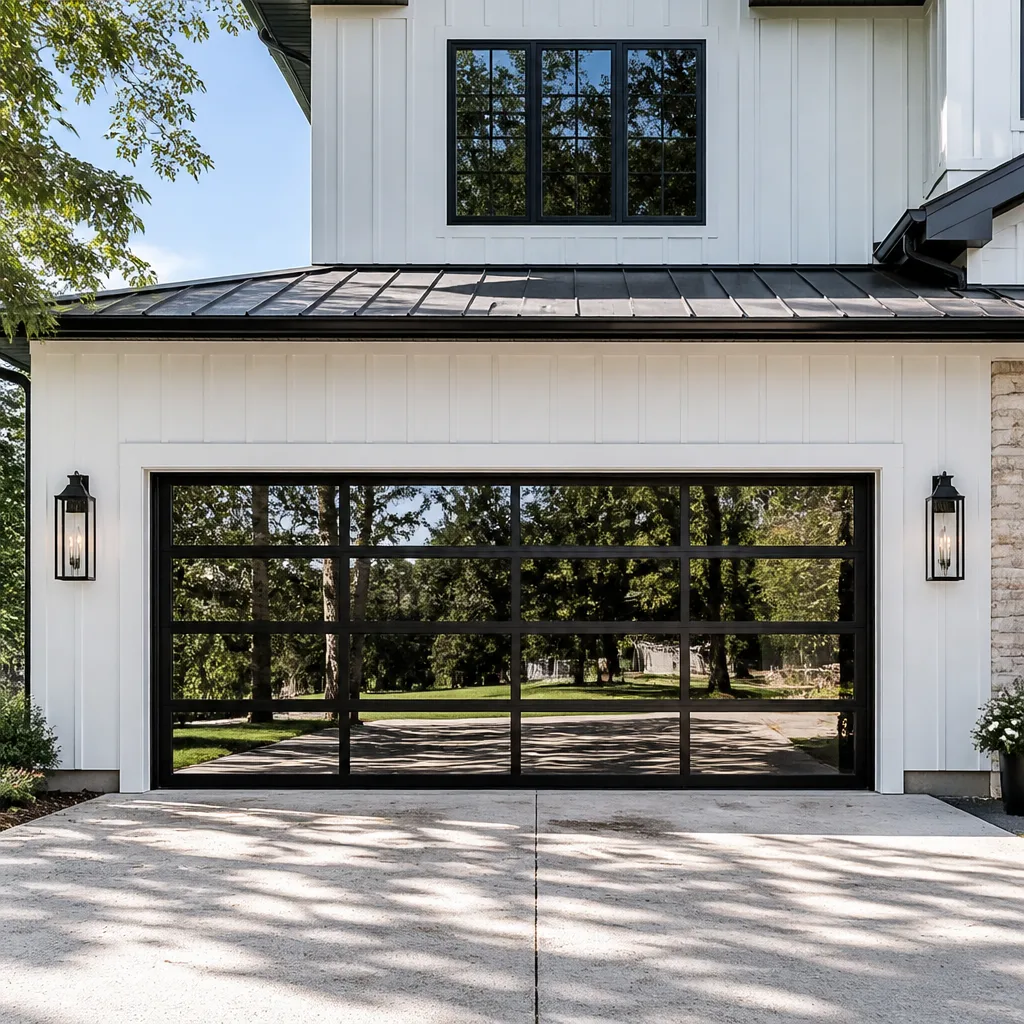 Full-view glass
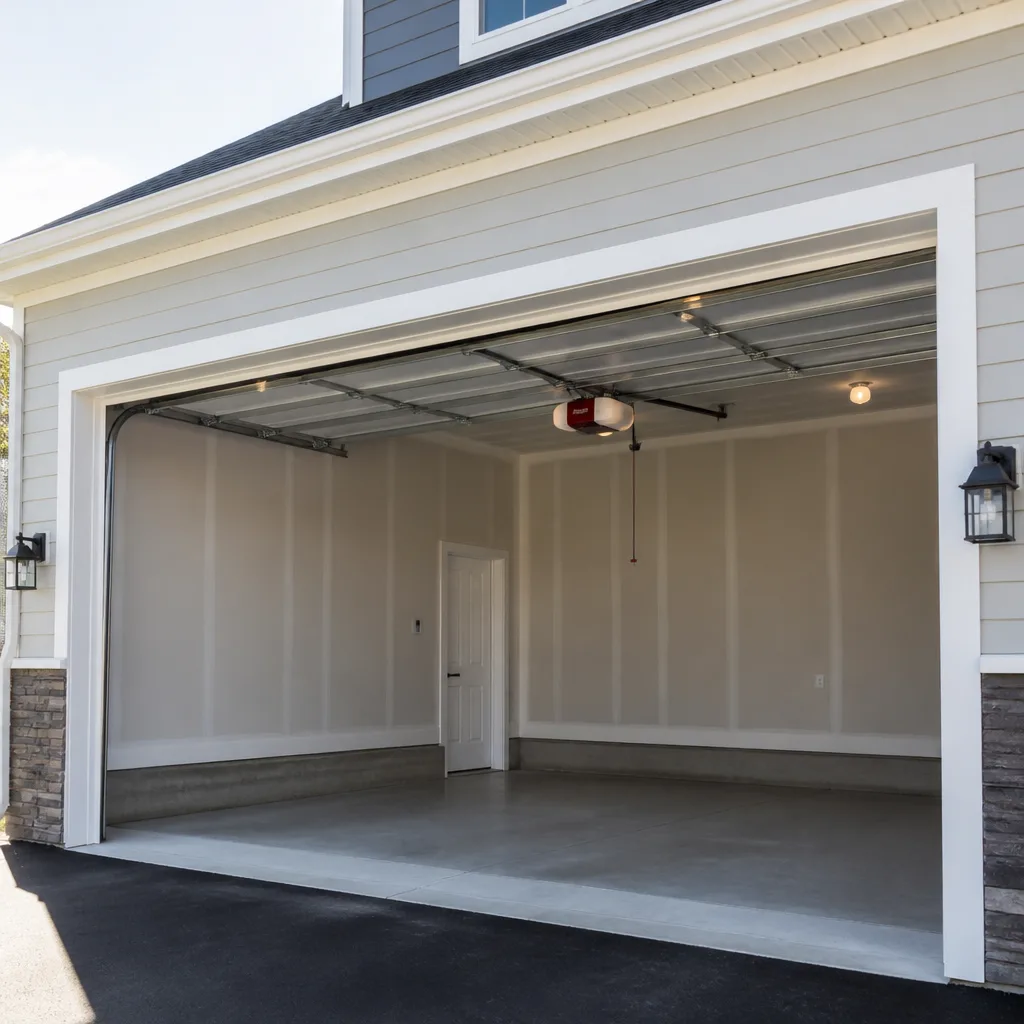 LiftMaster openers
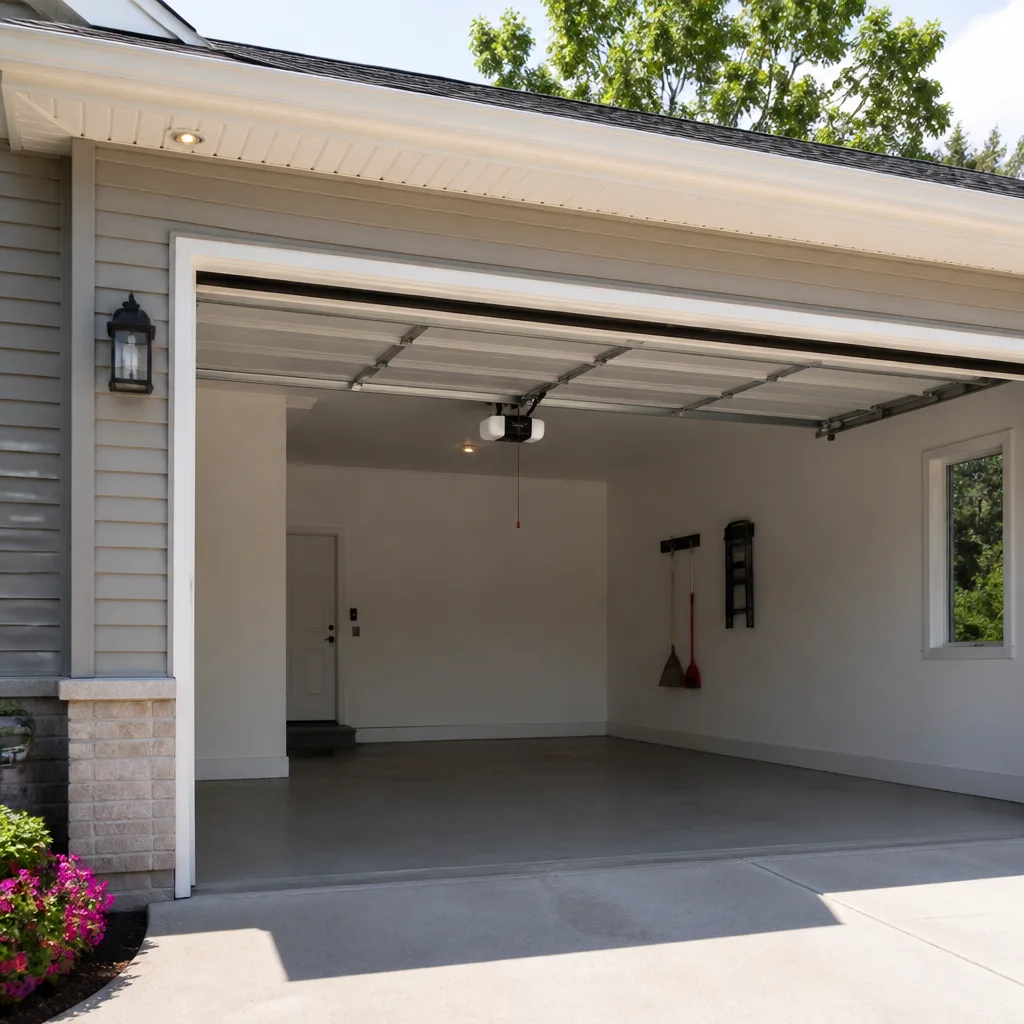 Chamberlain openers
Full 25-point door and opener safety check with every visit - springs, cables, rollers, tracks, and your LiftMaster or Chamberlain opener included
You get a price before we start. It does not change when the pro arrives.
Get your free estimateGarage Door Permits, Codes & Inspections in Somerville, MA: What You Need to Know
A garage door swap feels like an appliance replacement. You measure the opening, order a door, and bolt it in. But under Massachusetts building code, the rules shift the moment you change the structural opening size or add an electric operator to a garage that was previously manual. That distinction trips up a lot of homeowners, and it surfaces at the worst possible time: at closing, when your real estate attorney asks for the permit history. This guide covers the specific triggers under Somerville’s local adoption of the state code, what a building inspector actually examines, how to retroactively permit work in Somerville’s older housing stock, and what a permit costs in time and money.
Quick Answer
In Somerville, replacing a garage door in the same size opening with the same type of door typically does not require a building permit. But you likely do need one if you’re enlarging or reducing the opening, modifying the structural header, converting a manual door to an electric opener, or building a new garage. Fire-rated separation rules also apply to garages attached to living space. When in doubt, call Somerville’s building department before you order anything.
Styles & brands we work with
- Raised-panel steel
- Carriage house
- Modern flush
- Full-view glass
- LiftMaster openers
- Chamberlain openers
Table of Contents
- When Does a Garage Door Project Need a Permit in Somerville?
- Do You Need a Permit to Add or Replace a Garage Door Opener?
- What a Somerville Building Inspector Actually Checks
- Fire Door Requirements for Attached Garages
- How to Permit Work a Previous Owner Did Without One
- What a Permit Costs and How Long It Takes in Somerville
- What Your Garage Door Contractor Handles vs. What You Handle
- Why This Matters When You Sell a Somerville Home
When Does a Garage Door Project Need a Permit in Somerville?
A permit is generally required whenever your garage door project changes the structure of the opening or the way the door operates. Straight replacement of a like-for-like door in an existing, unmodified opening is the one scenario that usually skips the permit process. Everything else is worth a phone call.
Somerville adopts the Massachusetts State Building Code, which treats a garage as a structure. The code cares about structural alteration, egress, fire separation, and electrical work. Here’s how those categories break down for garage doors:
- Same-size door, same type: Usually no permit. You’re replacing a component, not altering the structure.
- Changing the opening size: Permit required. Widening or heightening the opening means cutting the header and reframing, which is structural work.
- Modifying the header: Permit required. Any change to the load-bearing beam above the opening is a structural alteration.
- New electric opener on a previously manual door: Permit required in most cases, because you’re adding electrical equipment and a new circuit or outlet.
- Converting a garage to living space or vice versa: Permit required, and this is a much bigger project than a door swap. It touches zoning and egress.
- New garage construction or a full rebuild: Permit required, full stop.
Somerville’s housing stock makes this more complicated than it sounds. Plenty of the city’s two- and three-family homes have garages that were built decades ago, sometimes tacked on, sometimes converted, sometimes modified by an owner who never filed anything. If your garage door opening doesn’t match what the city has on file, the permit conversation gets more involved. That’s a reason to check before you order, not after.
If your project is straightforward garage door repair in Somerville, meaning springs, cables, rollers, tracks, or panels, no permit is involved. Repair restores the existing assembly. Permits enter the picture when you alter the structure or add equipment.
Do You Need a Permit to Add or Replace a Garage Door Opener?
Replacing a garage door opener that’s already wired in the same location usually doesn’t require a permit. Adding an opener to a door that was always manual, or running a new circuit to power one, generally does. The distinction is whether you’re swapping equipment on an existing electrical supply or creating a new one.
Here’s the practical version:
- Existing opener, same spot: Swap the unit, keep the wiring and the outlet. This is a like-for-like replacement and typically doesn’t trigger a permit.
- New opener, existing outlet nearby: This depends on the scope. If no new wiring is run, many projects proceed without a permit, but confirm with Somerville’s building department because interpretations vary by inspector.
- New opener, no existing power in the garage: You need an electrician to run a circuit, and that electrical work requires a permit and inspection.
- Upgrading to a smart opener or adding a battery backup: Usually a swap on the existing supply, so treated like a replacement.
One more wrinkle specific to modern openers: federal rules require that residential openers sold today include a battery backup and photoelectric safety sensors that reverse the door on contact. That means any new unit you install will have safety features an old manual door or ancient opener didn’t have. The electrical inspection side of a permit covers the wiring; the safety sensors protect the person walking under the door. If your current opener is older than those requirements, replacing it is worth doing even independent of any permit question.
We handle garage door opener repair in Somerville all week, and the most common call we get is a motor that won’t respond to the remote or a sensor that keeps tripping. Those are repair calls, not permit calls. It’s when the opener is new to the garage that the paperwork matters. We work with LiftMaster and Chamberlain units frequently, and both brands handle the safety sensor and battery backup requirements out of the box.
What a Somerville Building Inspector Actually Checks
If your project needs a permit, at some point an inspector will stand in your garage and look at the work. Most homeowners imagine the inspector is there to grade the door itself: the color, the panels, whether the spring is tensioned properly. That’s not what they check. The inspection is about code compliance, not workmanship.
Here’s the gap between assumptions and reality:
- What homeowners think they check: the door’s appearance, opener brand, whether the installation looks professional, the spring tension.
- What they actually check: structural framing around the opening, header size and support, fastening, fire separation between the garage and the house, electrical connections for an opener if one was added, and egress where it applies.
An inspector will look at how the header is sized and framed above the opening. They’ll check that the opening dimensions match the approved plan. For a new or modified opening, they’ll want to see proper fastening and support. If an opener was added, they’ll look at the electrical rough-in and final connection, and many inspectors will confirm the safety reverse works.
For an attached garage, the inspector will pay attention to the wall and door separating the garage from the living space. Fire separation is one of the most common failures in older Somerville homes, because the original construction predates current requirements. More on that in a moment.
What the inspector will not do: adjust your spring, level your tracks, sync your remote, or tell you whether the door is installed well. Those are the contractor’s job. This is why the inspection isn’t a substitute for hiring someone who knows garage doors. Passing the inspection means the structure and systems meet code. It doesn’t mean the door runs smoothly.
A like-for-like replacement usually doesn’t get a permit and therefore doesn’t get an inspection. That’s normal, and it’s why picking a specialist matters more on those jobs, not less. If your new Clopay or Amarr door goes in without a permit, there’s no inspector to catch a botched install. You’re relying on the contractor’s work alone.
Fire Door Requirements for Attached Garages
Massachusetts residential code requires a fire-rated separation between an attached garage and the living space. That separation includes the wall between them, the ceiling if there’s living space above, and the door connecting the garage to the house, not the overhead garage door itself. This is the requirement most Somerville homeowners have never heard of, and it’s the one that surfaces during a home inspection or a permit review.
The logic is straightforward: a garage can hold a car with fuel, tools, paint, and other flammable material. If a fire starts there, the wall and door between the garage and the house buy time. Code sets how much time, expressed as a fire-resistance rating on the assembly.
For Somerville homes, the practical points are:
- The door between the garage and the house (sometimes called the passage door or man door) needs to be fire-rated for the separation the code requires. Not every door sold at a home center meets that.
- The wall and ceiling assemblies need proper materials and sealing. Gaps around pipes, wires, or the door frame undermine the rating.
- An attached garage also affects egress and air handling rules. You don’t want a garage opening into a bedroom, and you don’t want the house’s air handling equipment drawing garage air.
- The overhead garage door itself isn’t the fire door. It’s the vehicle door. But if the opening between garage and house has been modified, the assembly around it needs to still meet the rating.
This matters in Somerville because a large share of the housing is older, and a lot of it has been modified over the years. A prior owner may have replaced the passage door with a standard hollow-core, or opened a wall, or converted a porch. When you permit work that touches the garage, the inspector will look at the whole separation, not just your new door.
If you’re not sure how your attached garage is currently separated, this is worth knowing before you file. Our garage door installation service in Somerville covers the overhead door and opener side, but the fire door between garage and house is a separate question. A general contractor or the building department can tell you whether the existing door meets the rating.
How to Permit Work a Previous Owner Did Without One
If a prior owner did garage work without a permit, you can usually still get it permitted after the fact. The process is called a retroactive or after-the-fact permit, and it’s common in Somerville’s older housing stock. It means opening a permit, having the work inspected as it exists, and correcting anything that doesn’t meet current code.
Here’s how it usually goes:
- Find out what’s on file. Contact Somerville’s building department and ask for the permit history on the property. You may need to do a records request. What comes back tells you what the city has approved and when.
- Identify the gap. Compare what’s on file against what exists in the garage. If the opening, the door, or the opener doesn’t match, you know where the problem is.
- File for a retroactive permit. The application asks you to document what was done. Sometimes a drawing or description of the existing conditions is enough; sometimes the city asks for more.
- Have the work inspected. The inspector reviews the existing work against current code. Anything that fails has to be corrected, which can mean bringing older construction up to a newer standard.
- Close the permit. Once everything passes, you get a final inspection and a closed permit on record. That’s the document your attorney will want.
Two things make this easier. First, do it before you sell, not during closing. The clock moves fast during a transaction, and a permit that needs an inspection and corrections can’t always be finished on a buyer’s timeline. Second, if the garage door work needs correcting anyway, that’s a good moment to fix the code issues and have a specialist bring the door itself up to par at the same time.
We’ve been asked about this a lot in the Somerville area, particularly on two- and three-family homes where garages have accumulated decades of informal changes. The building department isn’t out to penalize you for a prior owner’s choices. They want a record that the structure is safe. The path is to disclose and fix, not to pretend the gap doesn’t exist.
What a Permit Costs and How Long It Takes in Somerville
Permit fees vary based on project valuation and scope, and Somerville publishes its fee schedule rather than us quoting a number that may be wrong. What we can tell you is how permits affect project planning: the fee is usually the smallest cost, and the review and inspection schedule is what actually moves your timeline.
Here’s the practical shape of a garage door project that needs a permit in Somerville:
- The application: Filed with the building department, including a description of scope and, for structural changes, drawings or a plan set.
- The review: The city reviews the application for code compliance. Timing depends on the type of project and how busy the department is.
- The issuance: Once approved, you get the permit and can start the work.
- The inspections: Depending on scope, there may be a rough inspection and a final inspection. Structural framing is usually inspected before it’s closed in.
- The close-out: Final inspection passes and the permit is closed on record.
What this means for planning: a like-for-like door replacement can be ordered and installed quickly because the permit isn’t in the way. A project that changes the opening or adds an opener is a different timeline, and the door order usually takes some time itself because the door has to be made in your size. Ordering a custom-size door and then discovering it needs a permit can put you in a position where you’ve paid for a door that’s sitting in a warehouse while you wait for approval. If the project scope is uncertain, get the permit question settled before ordering. We can’t tell you your city’s fee, but the building department will tell you the fee schedule the moment you call.
Our garage door repair in Somerville covers the emergency situations that need no permit: a broken spring, a snapped cable, a door that came off track. For new installation work, we quote the project and the door, and we can talk through what the permit side involves. Permits and inspections are between you and the city, but we’re not going to leave you guessing about what your garage door work involves. The written estimate quotes the price before any work starts.
What Your Garage Door Contractor Handles vs. What You Handle
The permit is filed by the property owner or the owner’s licensed contractor, and the responsibility for pulling it sits with whoever is doing the work that requires it. That’s the simple version. The practical version in Somerville is that the homeowner should always be the one who knows whether a permit was pulled, even if a contractor handles the filing.
Here’s the division:
- The homeowner: files the permit (or authorizes the contractor to file as the applicant), provides the description of scope, pays the fee, and holds the permit history for the property. The permit belongs to the property, so you want to know it exists.
- The licensed contractor doing the structural or electrical work: usually files the permit for their scope, because they have the license the code requires for that work. Structural work needs a licensed contractor; electrical work needs a licensed electrician.
- The garage door specialist: handles the door, opener, spring, track, and hardware installation. Garage door repair and replacement on an existing opening is not itself a structural or electrical permit item, though if the opener requires a new circuit, the electrical permit is filed by the electrician.
What we want you to avoid: assuming that because the door installer didn’t bring up a permit, no permit is needed. A door installer’s job is the door. The permit question is a code question, and the right place to answer it is the building department. If a project involves a structural change or new electrical, you need someone with the appropriate license on it, and that person should be the one discussing the permit with you.
One more role to name: your real estate attorney. If you’re selling in Somerville, your attorney will pull permit history as part of the transaction. If a garage door appears on the closing documents as an unpermitted modification, you’ll be asked about it. Rather than have that conversation near the deadline, get ahead of it. A closed permit on file for the garage door is the cleanest version of that outcome.
Why This Matters When You Sell a Somerville Home
An unpermitted garage door change can complicate a sale in Somerville. It doesn’t usually kill the deal, but it creates a title and disclosure problem that the buyer’s attorney will raise, and the resolution can cost more time than money.
Here’s the sequence. The buyer’s attorney runs a permit search on the property. Anything the city has on record shows up. If the garage door change or the opener doesn’t appear, the buyer’s attorney may ask you to permit it before closing or to escrow funds for the correction. If a structural change is involved, the ask may include a corrected inspection. In a market where the timeline matters, a permit gap on the garage door can be the kind of item that holds up a closing for a week that nobody has.
For sellers in Somerville: get ahead of this. Pull your permit history now if you’ve had any work done on the garage, whether it was done last year or by an owner from another era. If something isn’t on file, decide whether to permit it now or disclose it and let the buyer handle it. Either path is legitimately handled as long as it’s disclosed. The problem is the surprise.
This is also a reason to care about permits on the way in, not just the way out. If you’re doing the garage door now, the permit is cheap relative to the amount of friction it prevents later. If you’re doing a like-for-like replacement and the permit doesn’t apply, keep the invoice and the door specification for your records so you can show exactly what was done.
Common Mistakes to Avoid
- Assuming a door replacement never needs a permit. Same-size replacement usually doesn’t, but the moment you change the opening, modify the header, or add an opener, the answer flips. Ask about your specific project, not the general case.
- Ordering a custom-size door before checking the permit question. Somerville doors often need to be made to measure for the opening, and if the permit holds up the work, the door sits waiting. Settle the permit first.
- Skipping the permit search before selling. The buyer’s attorney will run it anyway. Discovering the gap during the transaction is far more expensive than discovering it now.
- Assuming the inspector checks workmanship. The inspector checks code compliance on structure, fire separation, and electrical. The spring tension and door alignment are the contractor’s responsibility and are not what the permit inspection is for.
- Ignoring the fire door between the garage and the house. In Somerville’s older attached garages, a hollow-core passage door where a fire-rated door belongs is a common code problem. It’s your separation between the garage and your living space.
- Replacing an old opener without checking safety sensor requirements. Openers sold today need photoelectric safety sensors and battery backup. If you’re putting a new opener on, make sure it meets those requirements so the door is safe under it.
- Treating a retrofit permit as a penalty. It’s a process, and it’s often straightforward. The city’s goal is a record showing the structure is safe. A prior owner’s paperwork gap doesn’t reflect on you if you disclose and resolve it.
See the difference
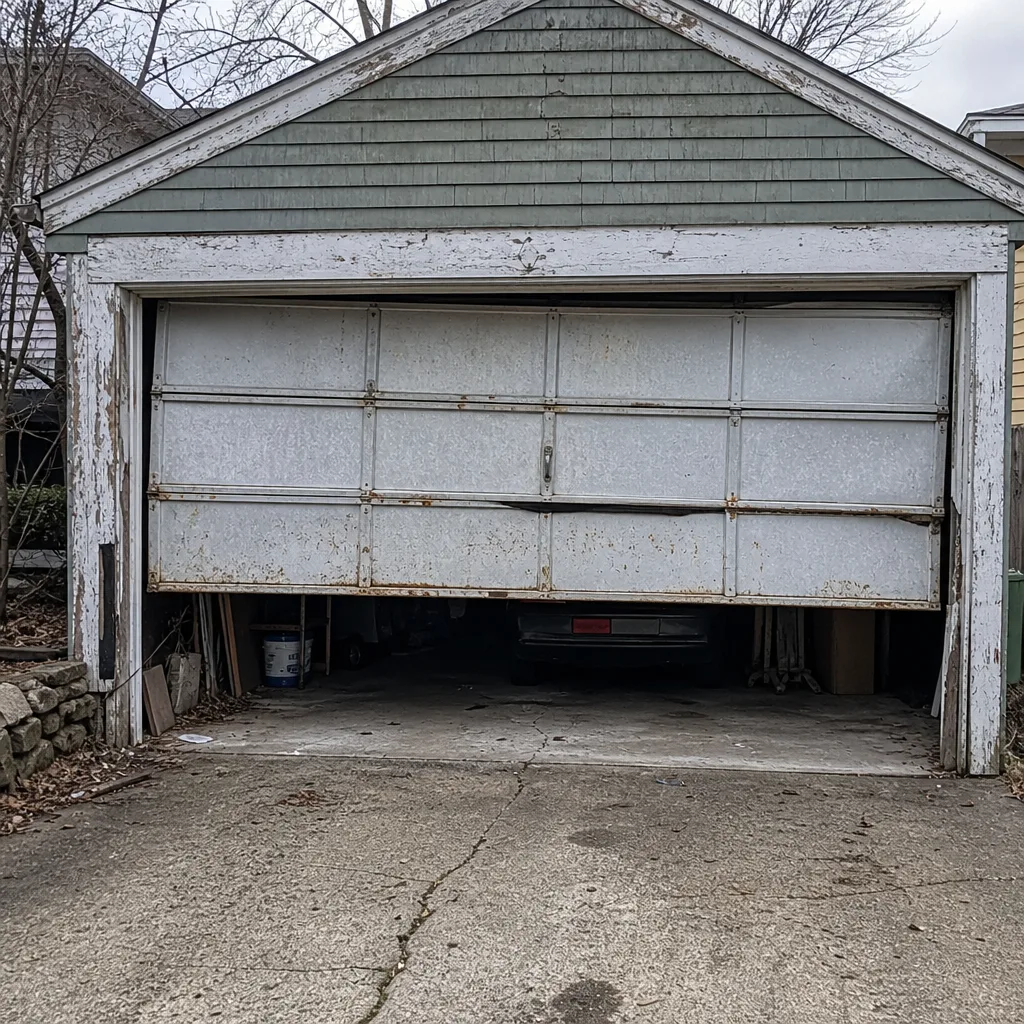 Before
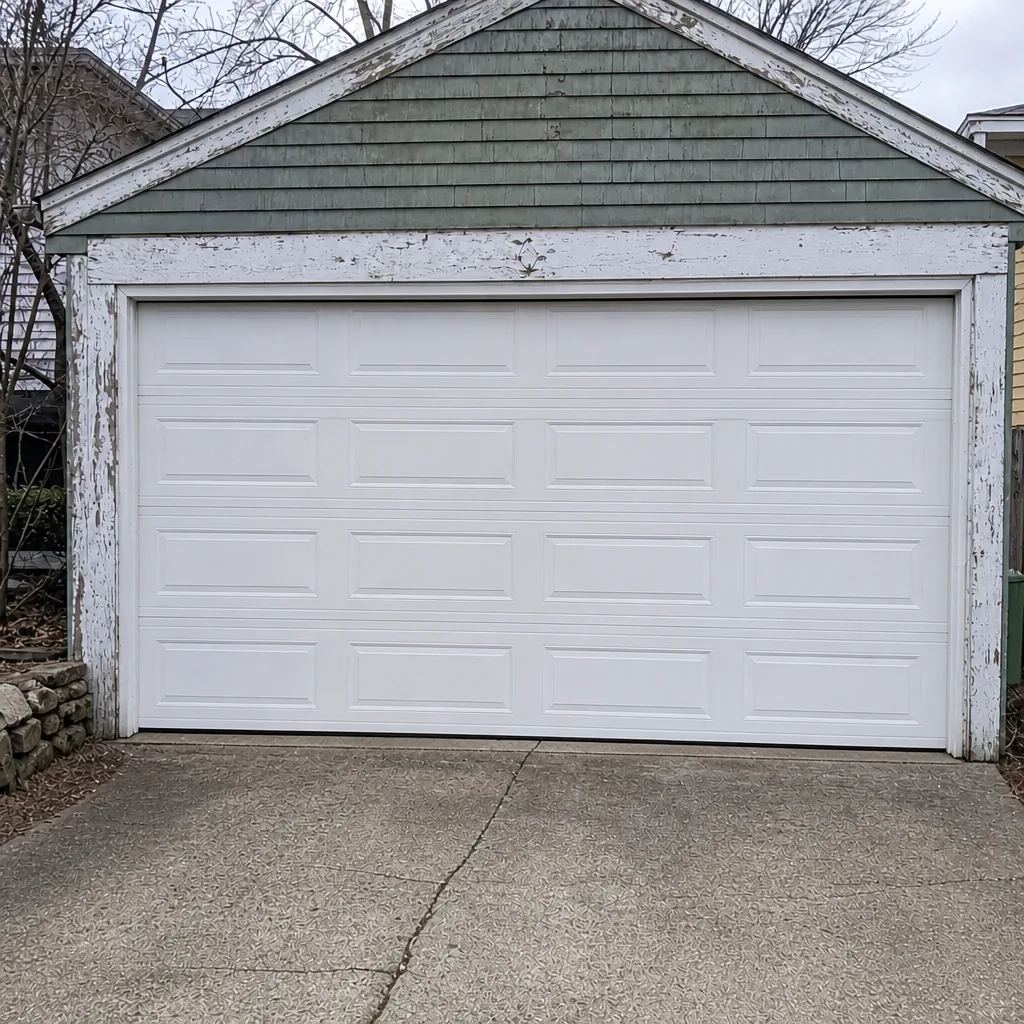 After
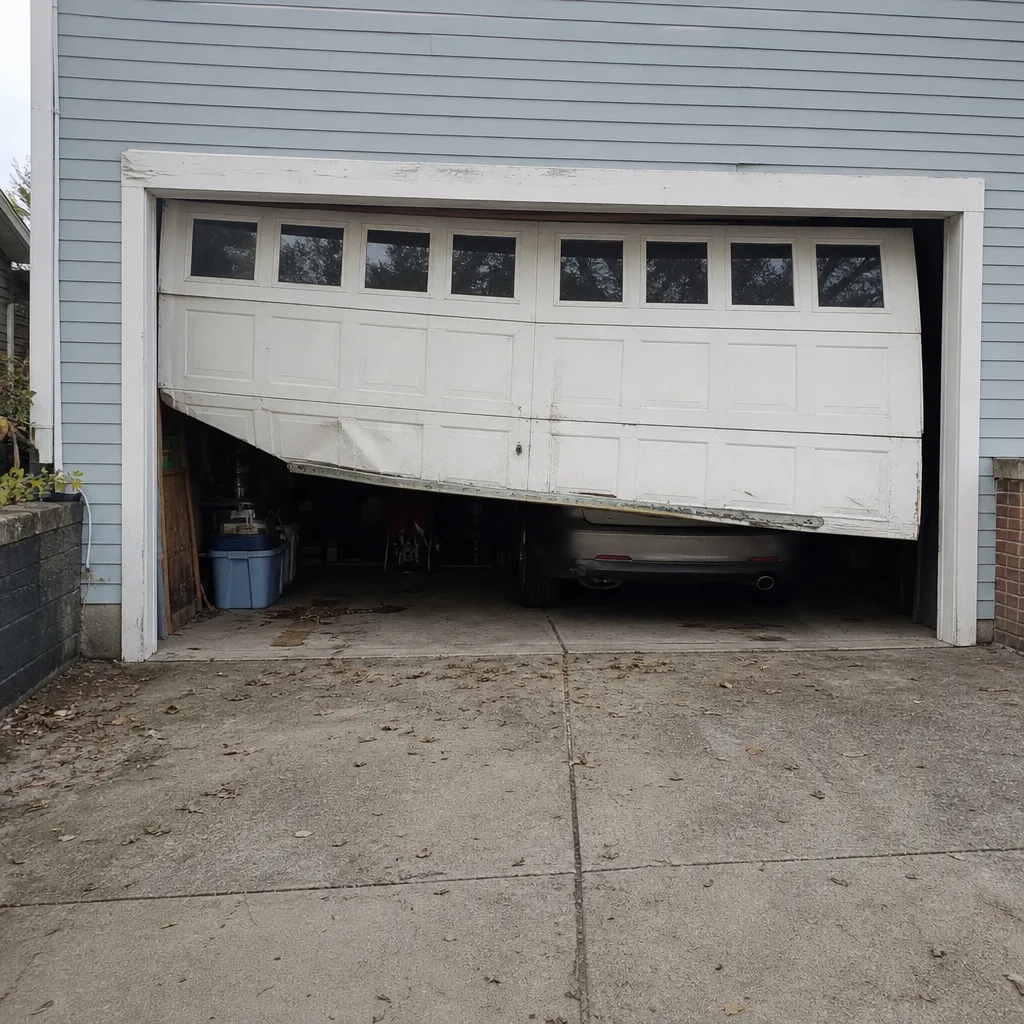 Before
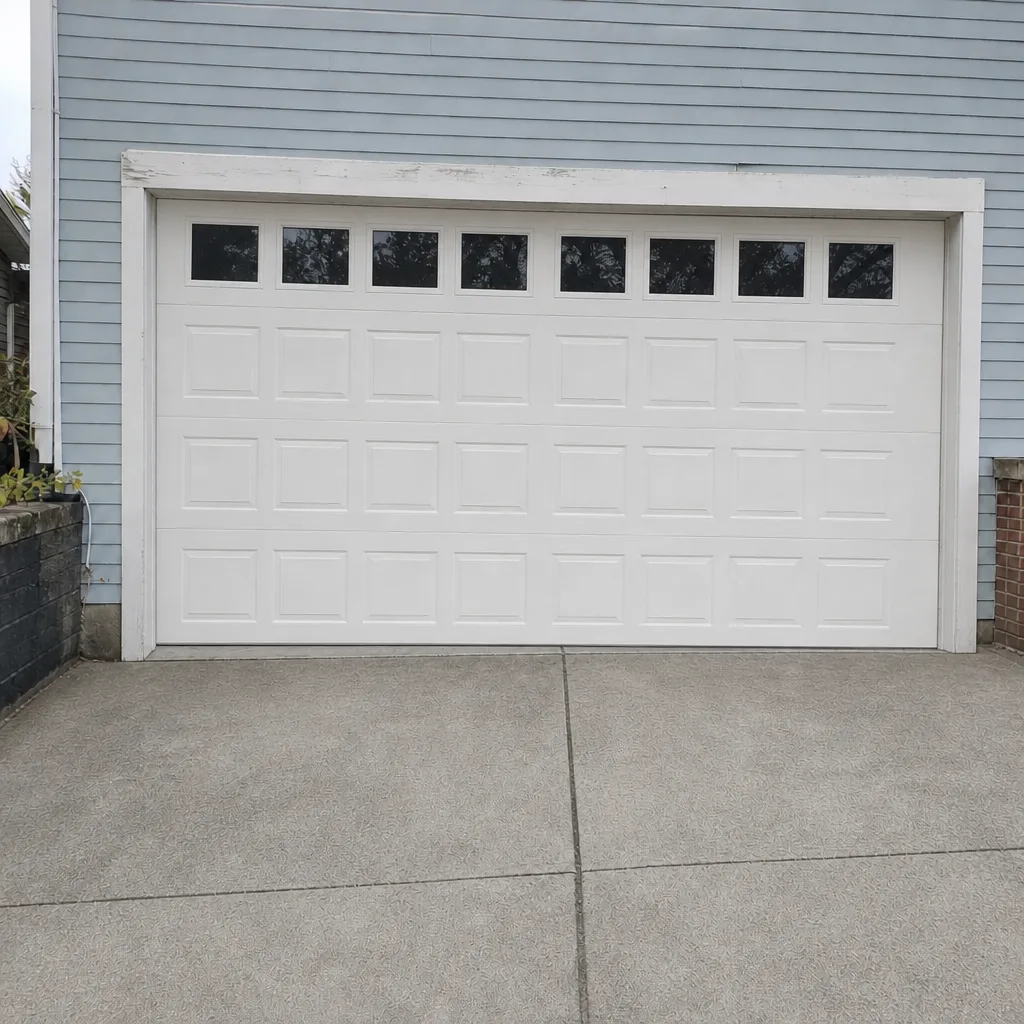 After
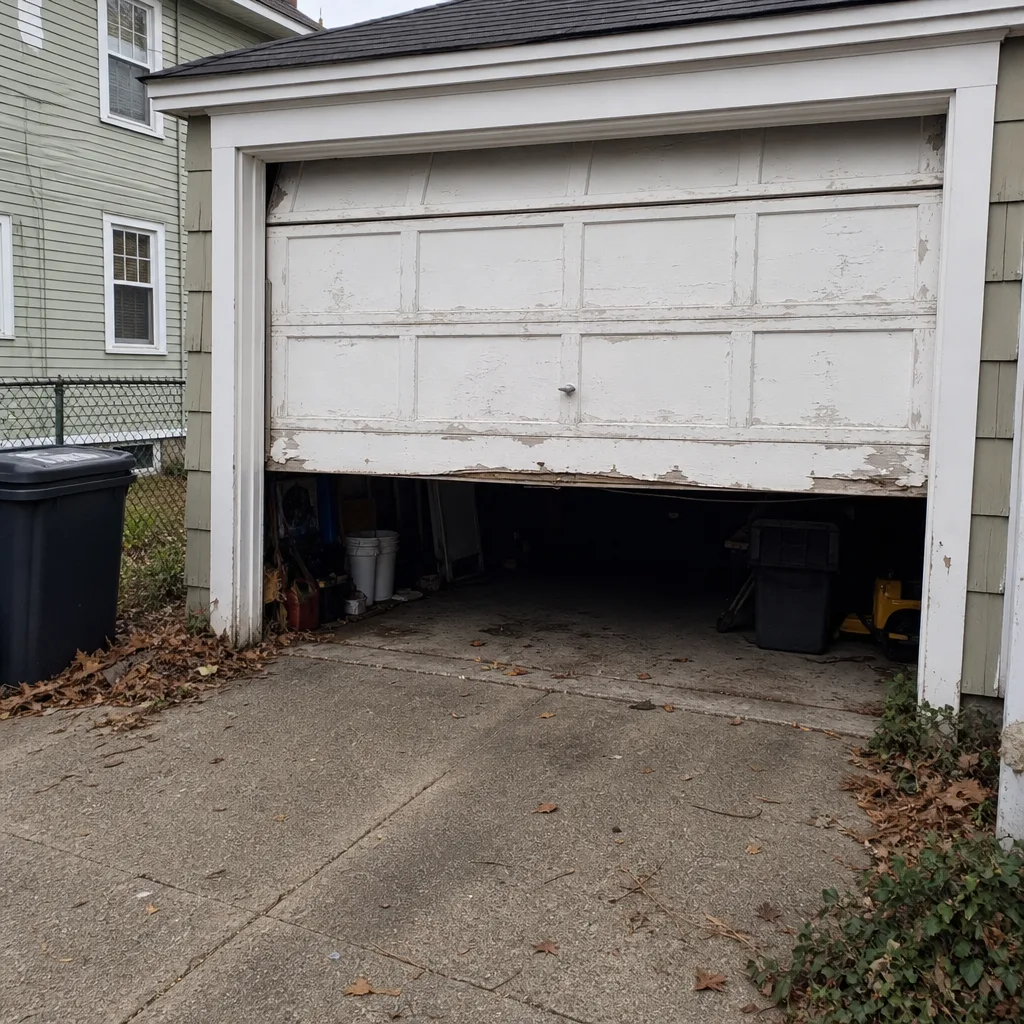 Before
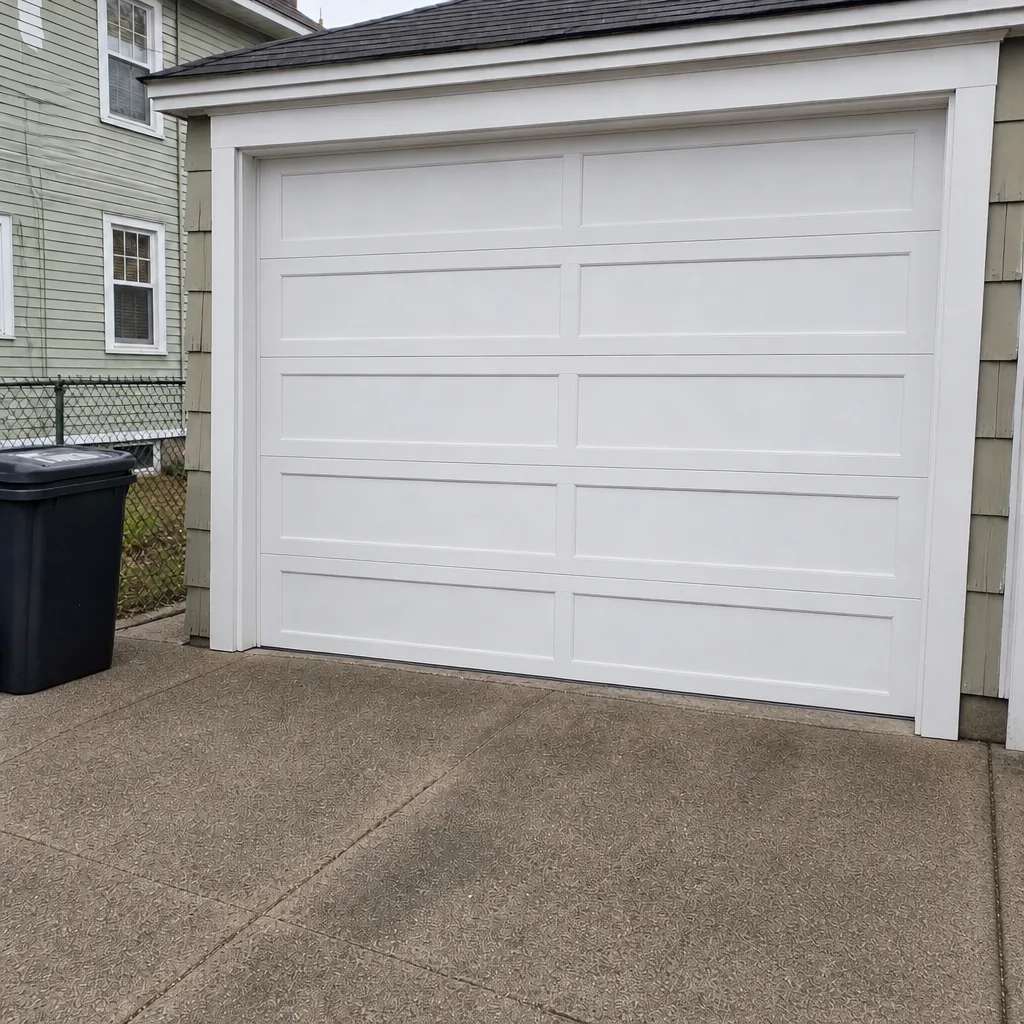 After
When to Call a Professional
Some garage door decisions are simple: a broken spring, a door that comes off track, an opener that stops responding. Those are calls we take all week, and garage door spring repair in Somerville is one of the most common. A torsion spring under tension is dangerous to work with, and a snapped spring means a door that can drop; don’t attempt that yourself. If the door won’t open and you’re trapped or your house is exposed, call and we’ll help.
Other situations are the kind where having a specialist look at the garage door itself is useful alongside the permit question. If an inspector flags something on the door’s installation, if a new door’s fit is wrong because the opening was measured poorly, or if a prior install needs redoing, a dedicated garage door technician is the right call. Our technicians have up to 12 years of experience with garage doors specifically, not general handyman work, and we service the major brands: LiftMaster, Chamberlain, Genie, Clopay, Amarr, Wayne Dalton, Craftsman, and Raynor. Somerville Garage Door Repair Co offers free estimates in Somerville. Call (877) 330-6542.
Frequently Asked Questions
Usually no, if you’re replacing a door with the same size and type in the same unmodified opening. You likely do need one if you change the opening size, modify the structural header, add an opener to a manual door, or build a new garage. Call Somerville’s building department to confirm your specific project. Call (877) 330-6542 for a free estimate on the door itself.
Replacing an opener on existing wiring usually doesn’t require a permit. Adding an opener where none existed, or running a new electrical circuit to the garage, generally does, and the electrical work requires a licensed electrician and an inspection. If your opener needs new wiring, sort out the permit before the install.
The inspector checks code compliance: structural framing and header support, opening dimensions, fastening, fire separation between an attached garage and the house, and the electrical connection if an opener was added. The inspector does not evaluate door workmanship, spring tension, or how smoothly the door operates. Call (877) 330-6542 with any door-related questions.
You can usually get it permitted retroactively. Contact Somerville’s building department, request the permit history, file an after-the-fact permit for the prior work, and have the work inspected. Anything that doesn’t meet current code is corrected and re-inspected, then the permit is closed. Doing this before you sell is far less stressful than during a purchase and sale.
Yes. Massachusetts residential code requires a fire-rated separation between an attached garage and the living space, and the passage door between the garage and house is part of that separation. The overhead garage door is not the fire door. If you’re not sure whether your existing passage door meets the rating, ask the building department or a contractor to confirm.
Fees are set by the city based on project scope and valuation, so ask Somerville’s building department for the current schedule. Review and inspection timing depends on the scope of the project: structural changes and electrical work take longer than a simple replacement. Budget for the permit before ordering a custom-size door so the door and permit aren’t out of step. Call (877) 330-6542 for a free estimate on the door.
The Bottom Line
Garage door permits in Somerville come down to two questions: does the project change the structure, and does it add equipment that didn’t exist before. If it does either, get the permit. The like-for-like replacement is the one that usually doesn’t need one, and it’s the one where a specialist’s work is your only quality check. If a prior owner did work that wasn’t permitted, the process for getting it documented is the same process you’d use for new work. Start early. Check before you order. And keep the records.
Somerville Garage Door Repair Co works on garage doors, openers, springs, and full installations, and every technician focuses on that system alone. If you’re planning work on your garage and want to sort out the door side, call (877) 330-6542 for a free estimate. For an urgent issue, emergency service is genuinely available, because when your door won’t move, you shouldn’t have to wait.
Written by the team at Somerville Garage Door Repair Co.