Last updated November 23, 2026
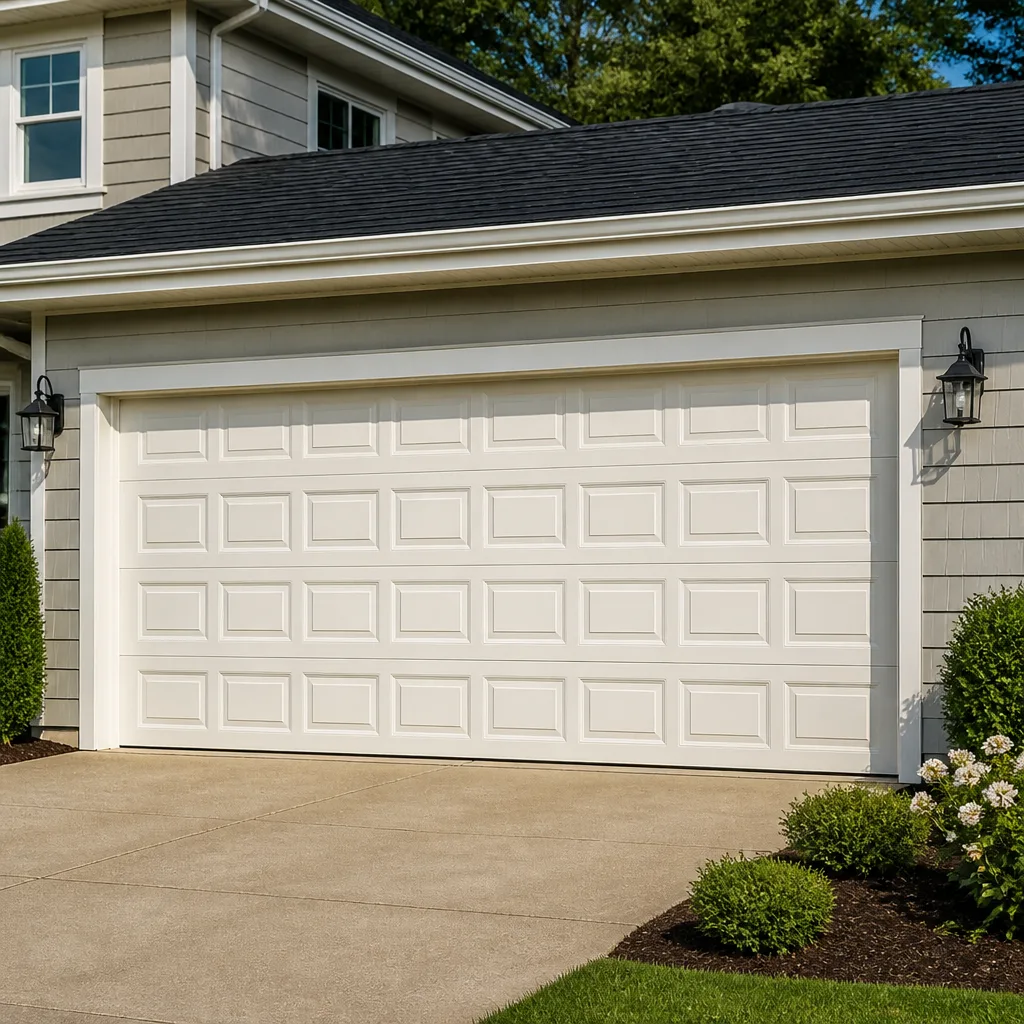 Raised-panel steel
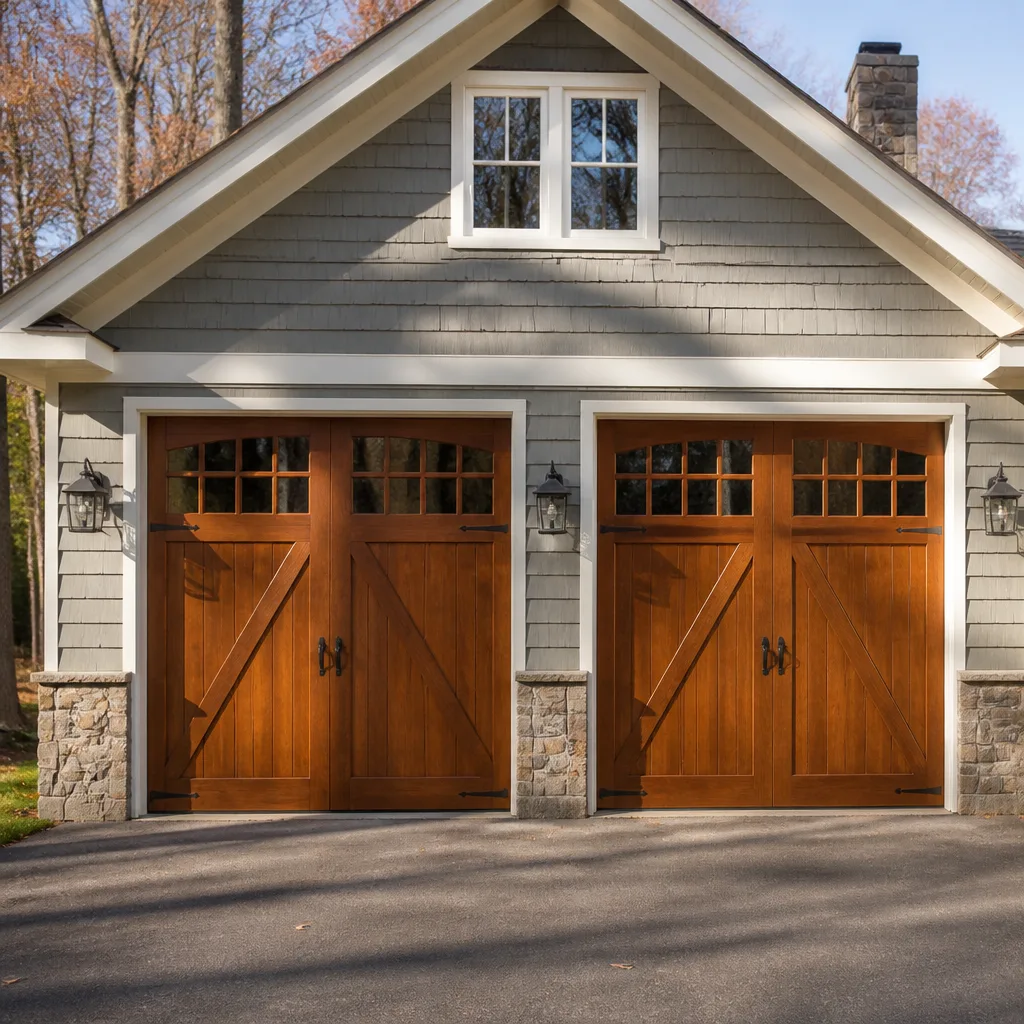 Carriage house
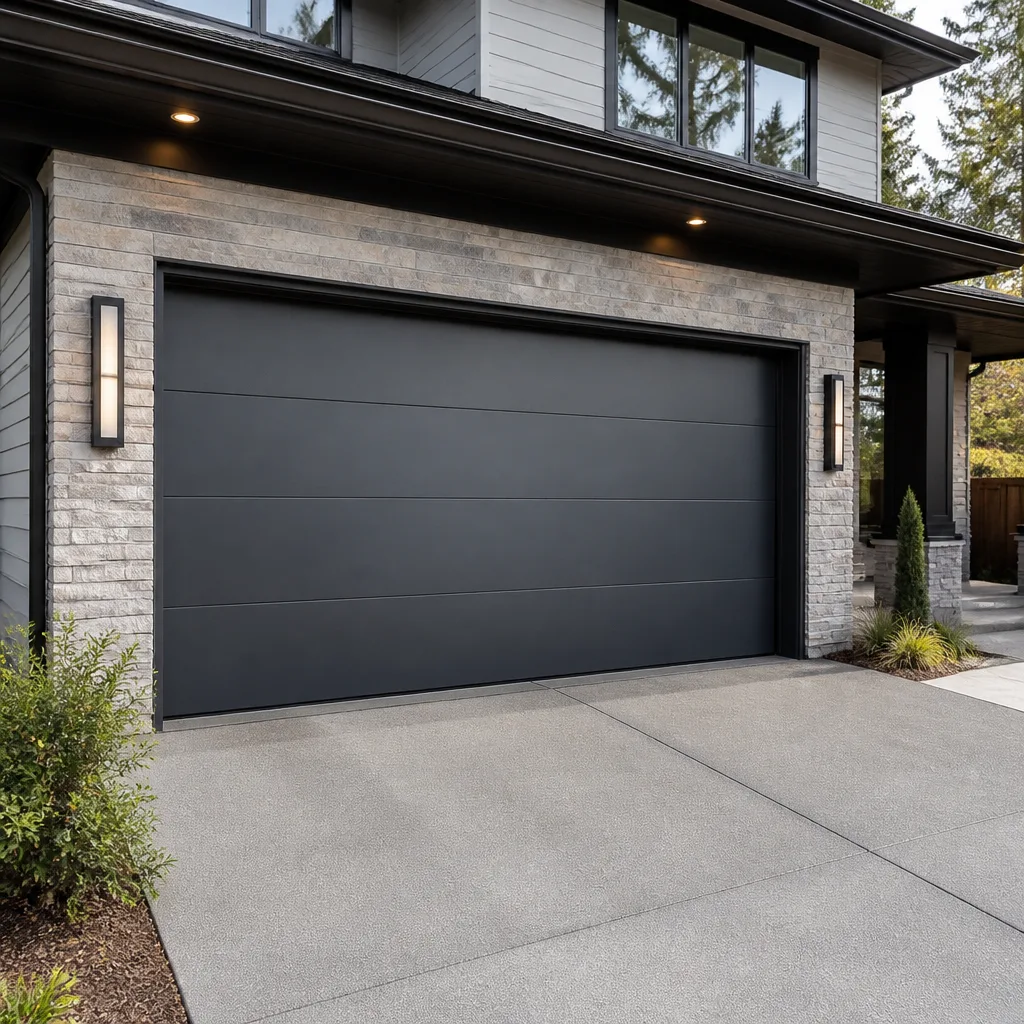 Modern flush
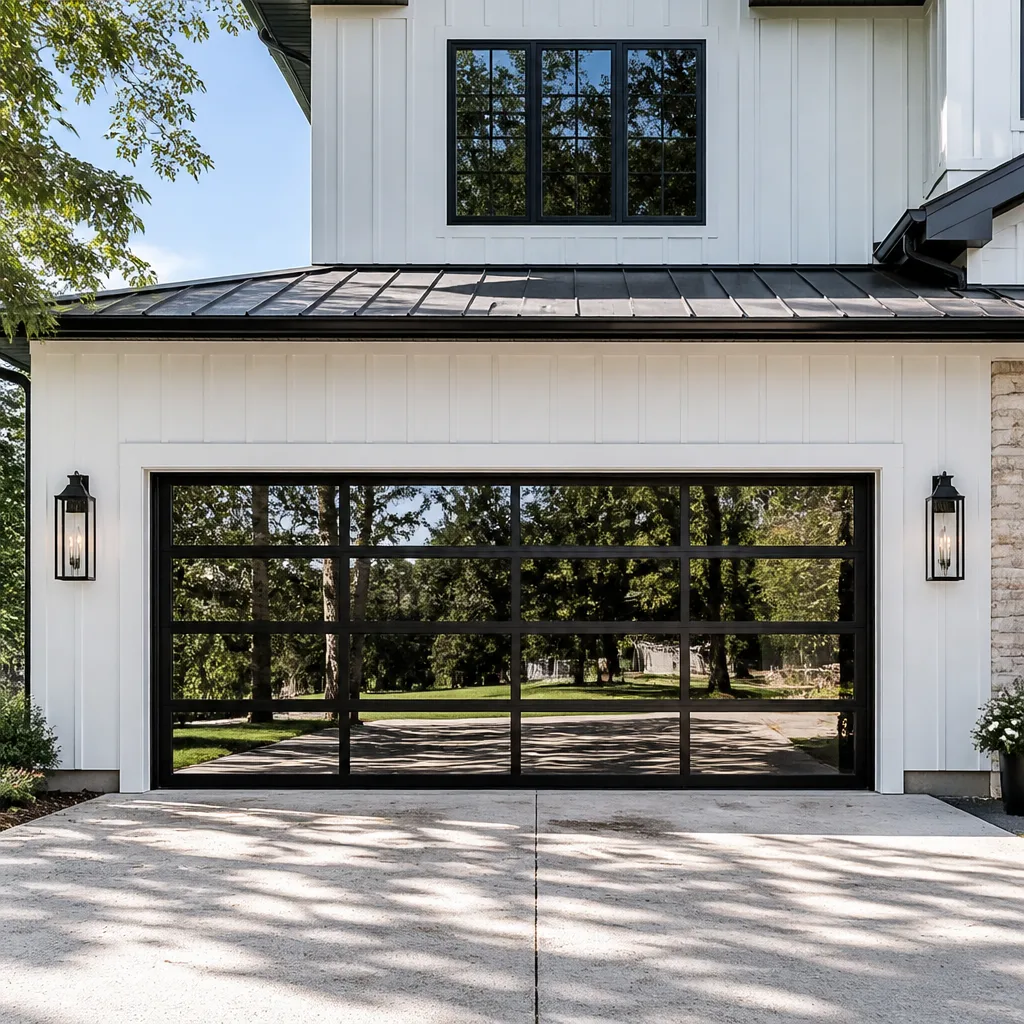 Full-view glass
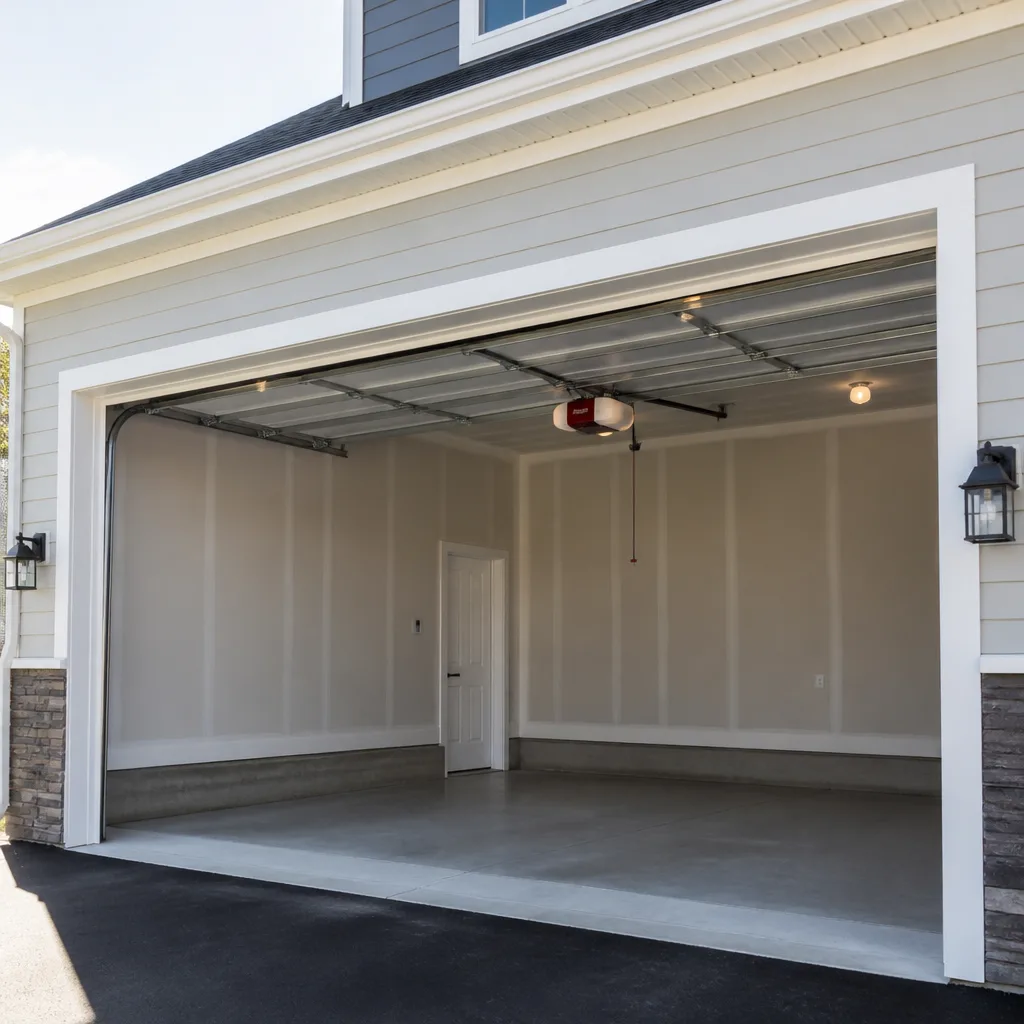 LiftMaster openers
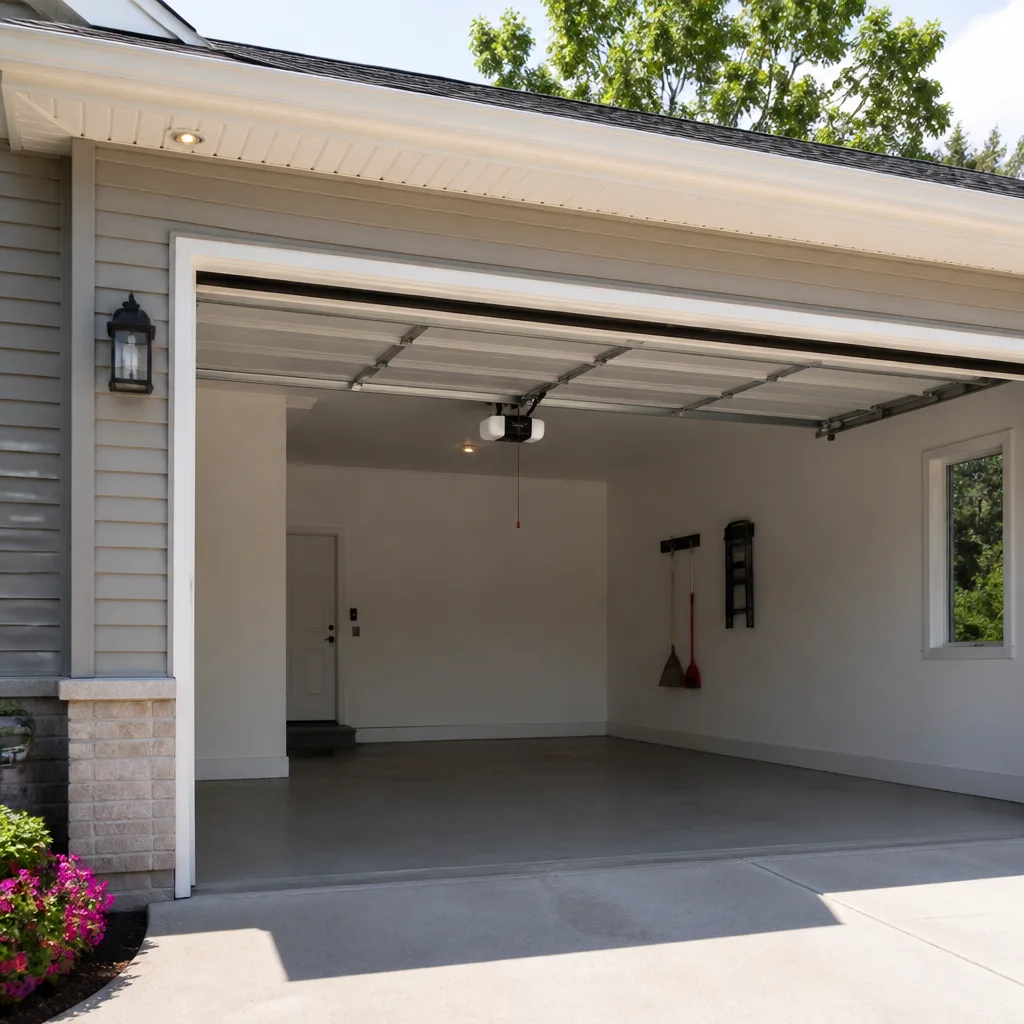 Chamberlain openers
Full 25-point door and opener safety check with every visit - springs, cables, rollers, tracks, and your LiftMaster or Chamberlain opener included
You get a price before we start. It does not change when the pro arrives.
Get your free estimateGarage Door Repair Maintenance Checklist for Somerville Homeowners
Most homeowners finish a garage door maintenance checklist and still miss the failure that sidelines the door six months later. That’s because almost every checklist tells you what to do (“lubricate the springs”) without telling you what a problem actually looks like, sounds like, or smells like before it breaks. In a place like Somerville, where winter road salt gets tracked onto the door hardware and March freeze-thaw cycles work on every metal surface, the gap between “I checked it” and “I caught it” is what really matters. This guide is diagnostic rather than procedural. We’ll walk through the sensory signals that point to specific failing components, the lubrication points people routinely get wrong, a go/no-go framework for deciding what you can monitor versus what needs a technician, and a maintenance frequency table built around Somerville’s actual climate instead of a generic twice-a-year rule of thumb.
Quick Answer
A garage door maintenance checklist for Somerville should focus on what you can sense, not just what you can touch: listen for grinding or popping, feel for resistance when you lift the door by hand, and look for rust streaks, frayed cables, and uneven gaps at the bottom seal. Check the door monthly during winter and early spring when road salt and freeze-thaw cycles are hardest on the hardware, and book a technician inspection whenever you hear a snap, see a broken spring, or the door stops opening evenly.
Styles & brands we work with
- Raised-panel steel
- Carriage house
- Modern flush
- Full-view glass
- LiftMaster openers
- Chamberlain openers
Table of Contents
- What Should You Actually Look, Listen, and Feel For?
- How Does Road Salt Speed Up Wear on a Somerville Garage Door?
- Which Parts Do Homeowners Over-Lubricate and Under-Lubricate?
- The Go/No-Go Framework: What Can You Monitor vs. What Needs a Call?
- How Often Should You Check Your Garage Door in Somerville?
- What Should You Check on the Opener Itself?
- Why Do Bottom Seals and Weatherstripping Matter More Here?
- Does Brand Matter for Maintenance?
What Should You Actually Look, Listen, and Feel For?
Start with your ears. The most useful diagnostic tool you already own is your hearing, and most garage door failures announce themselves long before they happen. Stand in the garage with the door closed and cycle it once. Then note what you hear.
- A rhythmic squeak or chirp that repeats at the same point in the travel usually points to a dry roller or a hinge pin that’s lost its lubrication.
- A grinding or scraping sound that gets louder toward the top of the travel often means the rollers are wearing flat or the track has picked up grit and rust.
- A single sharp pop or snap followed by the door refusing to move is the classic signature of a torsion spring giving out. Stop cycling the door and call a technician.
- A low hum with no movement points to the opener motor running but the drive system (belt, chain, or screw) disconnected or stripped.
Next, feel. With the door disconnected from the opener using the manual release, lift it about halfway by hand. A properly balanced door should stay roughly in place with minimal effort. If it feels heavy, drops on its own, or needs a strong push to get moving, the springs are out of adjustment and a technician should look at it before you keep using it.
Finally, look. Walk the full width of the door and check for rust streaks at the bottom panels, frayed or kinked cables at the corners, bent hinges, and a bottom seal that’s pulling away from the floor. These are the failure signals a Somerville door sees most often, and they show up visually before they turn into a repair.
How Does Road Salt Speed Up Wear on a Somerville Garage Door?
Somerville’s winter street treatment is a gift to drivers and a slow problem for garage hardware. Every time a car pulls in with slush on its tires, a little saltwater drips onto the garage floor and splashes up onto the bottom seal, the lowest rollers, the bottom brackets, and the first few feet of track. Saltwater is far more aggressive on steel than plain rainwater, and the effect compounds over a season because the salt residue stays on the metal, drawing moisture from the air even on dry days.
That’s why the corrosion pattern on a Somerville door often looks different from what you’d see in an inland garage. The bottom of the door and the first section of track take the hit while the top stays clean. Rollers seize at the bottom before the top ones show any wear. Fixing this isn’t about buying a different door. It’s about checking the low points more often than the checklist standard tells you to, and cleaning salt residue off the bottom seal and track with a damp rag every couple of weeks through the winter months.
Two things matter most in this fight. First, keep the bottom seal and track clear of standing slush. Second, watch for the first hint of orange rust at the bottom brackets and roller stems. Surface rust at that stage is easy to clean up. Once it pits the metal and seizes a roller, you’re buying parts.
Which Parts Do Homeowners Over-Lubricate and Under-Lubricate?
The most common mistake we see is the reverse of what people expect. Homeowners tend to over-lubricate the tracks and under-lubricate the parts that actually need it. Here’s the split.
What to over-lubricate: don’t
- Track surfaces. Sprays and oils on the vertical and horizontal track attract dust and grit, and that grit is what wears out rollers. Tracks should be wiped clean and dry, not greased.
- Rollers. Never oil a roller stem (that usually just means it’s time to replace the roller). A quick hit with a dry silicone spray at the stem is fine; a heavy coat of oil is not.
What to under-lubricate: do
- The torsion spring shaft bearings at either end of the shaft above the door. These get forgotten because they’re up and out of the way, and a dry bearing there is a source of squeaking and accelerated wear.
- Hinge pivot points. Each hinge pin gets a drop of white lithium grease or a silicone spray. Do this on a closed door so you can spot the pivot point easily.
- The opener’s rail and drive (belt or chain). Follow the manufacturer’s spec for the opener you have. If your opener is a Chamberlain or Genie model, check that brand’s manual for the exact product, since grease vs. dry varies.
One quick note on safety. If you’re not sure whether a torsion spring is healthy, don’t touch it. Heavy garage door springs are under extreme tension and should only be handled by a trained technician. Lubrication is a homeowner job; spring adjustment and replacement is not. When you need garage door spring repair, that’s a specialist call.
The Go/No-Go Framework: What Can You Monitor vs. What Needs a Call?
Here’s the decision framework we recommend for Somerville homeowners. It sorts everything you find on your checklist into one of two buckets: monitor it, or stop using the door and call a technician.
- Monitor: A light squeak at a roller, a slightly stiff manual lift, minor surface rust at the bottom brackets, or a bottom seal that’s starting to look worn but still seals. Note the date, check again in two weeks, and see if it’s getting worse.
- Monitor: A small amount of play in the door when closed, a slow-opening opener, or a safety reverse that trips occasionally. These are early warnings, not emergencies, but keep a written log.
- Call and stop using the door: A snapped torsion spring, a frayed or kinked lift cable, a bent or cracked track, a door that won’t open evenly, or a door that’s come off one roller. All of these are safety issues.
- Call and stop using the door: Any door that reverses on its own, jams halfway, or falls when you lift it manually. Don’t cycle it to “test” it; that’s how injuries happen.
- Call and stop using the door: A garage door opener that runs but doesn’t move the door, or a door that opens without a firm signal. That’s a potential security issue as much as a mechanical one.
The rule of thumb: anything that’s about the motion of the door is a call. Anything that’s about the appearance or sound of the hardware in a stable state is a monitor. When in doubt, err on the side of a call.
How Often Should You Check Your Garage Door in Somerville?
The standard advice is a visual check twice a year and a full technician inspection once a year. That’s fine for a mild climate, but it misses the two windows in Somerville that matter most: the winter salt push (January through March) and the March freeze-thaw stretch. Here’s a frequency table tuned to the local calendar, not the generic one.
- Monthly (November through April): Wipe salt residue from the bottom seal, bottom rollers, and first section of track. Check for surface rust and listen for any new grinding.
- Every two weeks during March freeze-thaw: Look at the bottom seal for gaps and cycling; cycle the door once (weather permitting) and listen for any change in sound. The freeze-thaw window is when a loosened or dried-out part tends to reveal itself.
- Quarterly (year-round): Lubricate hinges, the torsion shaft bearings, and the opener rail per the manufacturer’s spec. Wipe the track clean and dry.
- Twice a year (spring and fall): Full manual balance test, safety reverse test, and cable/spring visual. Adjust weatherstripping if needed.
- Annually: A professional inspection for spring health, opener wear, and any early signs of cable fatigue. This is the one that catches what a visual can’t see.
The short version: more frequent contact in winter and early spring, less in the mild months, and one professional visit a year as the anchor. If you’re not sure what shape your door is in after a Somerville winter, we’re happy to take a look. A garage door repair appointment starts with a free estimate.
What Should You Check on the Opener Itself?
Your opener does about a hundred cycles a week if you’re a typical two-car household, so it works harder than people expect. There are three things worth checking yourself, and one that isn’t.
Check the safety reverse. Place a piece of wood or a brick (a couple of inches tall) in the door’s path on the floor and cycle it closed. The door should hit the obstruction and reverse. If it doesn’t, that’s a safety issue and the opener needs a technician’s attention. Test the safety sensors at the bottom of the track the same way with a hand or a box.
Check the balance. With the opener disengaged, manually lift the door halfway. If it doesn’t stay roughly where you leave it, the springs need adjustment.
Check the wall control and the remotes. If one works and the other doesn’t, it’s usually a pairing issue rather than a motor issue. If neither works and the opener still lights up, it’s often a logic board or a sensor problem.
Don’t open the opener housing. Garage door openers hold a high-voltage capacitor that can shock you even after the power is off. A technician handles that side, and when your opener is misbehaving, that’s a garage door opener repair job rather than a DIY one. If you have a Chamberlain, Genie, LiftMaster, or Craftsman unit, we work on it; if it’s time to replace it, we can talk through the options.
Why Do Bottom Seals and Weatherstripping Matter More Here?
The bottom seal is a small rubber strip with an outsized job. It keeps water, salt slush, and cold air out of the garage. In Somerville, the bottom seal takes the direct hit from road salt and freeze-thaw cycles, which is why it’s often the first part to fail on a local door. When it fails, the results go beyond a draft: saltwater can wick up into the bottom panel of a steel door and start rust from the inside.
Check it this way: with the door closed, look along the floor line from inside the garage. If you can see daylight under the seal, or the seal is stiff, cracked, or pulling out of its retainer, it needs attention. Run a hand along it to feel for soft spots. Compare against the door’s original profile (Clopay and Amarr doors, for instance, each use specific seal profiles) to get the right replacement part.
Weatherstripping around the door frame deserves the same look. Any gap lets cold air and moisture in, and in a hard Somerville winter that shows up as ice on the inside of the door and eventually as rust at the bottom of the track. Replacing the seal and stripping is one of the least expensive maintenance items on your list and one of the most protective.
Does Brand Matter for Maintenance?
Brand affects the specifics of your checklist far more than people realize. A Chamberlain or Genie opener has its own lubrication spec, its own sensor placement, and its own safety-reverse procedure. A Clopay or Amarr door has a specific bottom seal profile, hinge style, and panel construction that affects how you check for wear. If you call a general handyman, you’ll often get generic advice that doesn’t match your actual system.
That’s why we focus only on garage doors, and why we work with all the major brands you’ll find already on Somerville homes, including LiftMaster, Chamberlain, Genie, Clopay, Amarr, Wayne Dalton, Craftsman, and Raynor. You won’t hear us say “we don’t work on that brand.” We’ll match the maintenance and repair to what’s actually in your garage. If it’s a Chamberlain opener, we know how it should sound. If it’s a Clopay door from 2010, we know how the seal and hinges typically wear. That’s not a sales line; it’s the whole reason a specialist exists.
Our technicians have up to 12 years of experience, and every one of them works on garage doors exclusively, not HVAC, plumbing, or general handyman work.
Common Mistakes to Avoid
- Greasing the tracks. Oil on the track attracts grit and accelerates roller wear. Wipe the track clean and dry, and keep the lubricant for the hinges and shaft bearings.
- Ignoring the bottom half of the door in winter. Somerville’s road salt collects where the car comes in, which is exactly the bottom of the door, seal, and first track section. Check that area first, not last.
- Replacing a broken spring without checking the cable and roller state. If one spring snapped, the matching pair is usually under the same stress. A paired spring replacement plus a roller check is the honest fix.
- Testing the safety reverse with your hand. Use a brick or a box, not a hand. The reverse function has a moving door and weight behind it; that’s a hand injury waiting to happen.
- Applying a “tune-up” to a door that just needs a real inspection. A can of lubricant is not a diagnosis. If the door is squeaking at a specific spot on every cycle, the sound is telling you what’s wrong, and only a look at the parts confirms it.
- Assuming a self-closing door is fine if it moves. A door that opens and closes smoothly can still have a hairline crack in a spring or a frayed cable. That’s why the annual professional inspection matters even when nothing seems wrong.
- Using generic weatherstripping from the hardware store. The wrong seal profile for a Clopay or Amarr door creates a new gap. Match the profile to the door, or ask a technician what to use.
See the difference
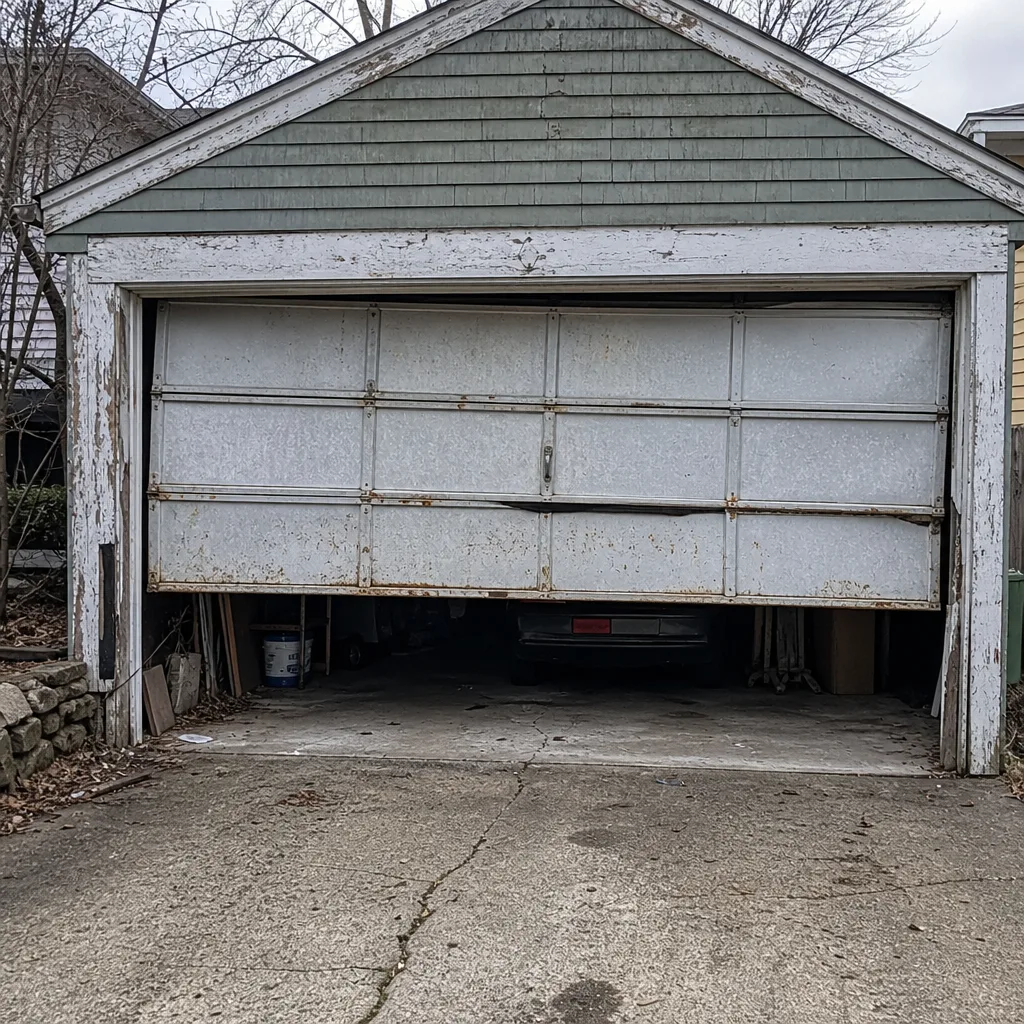 Before
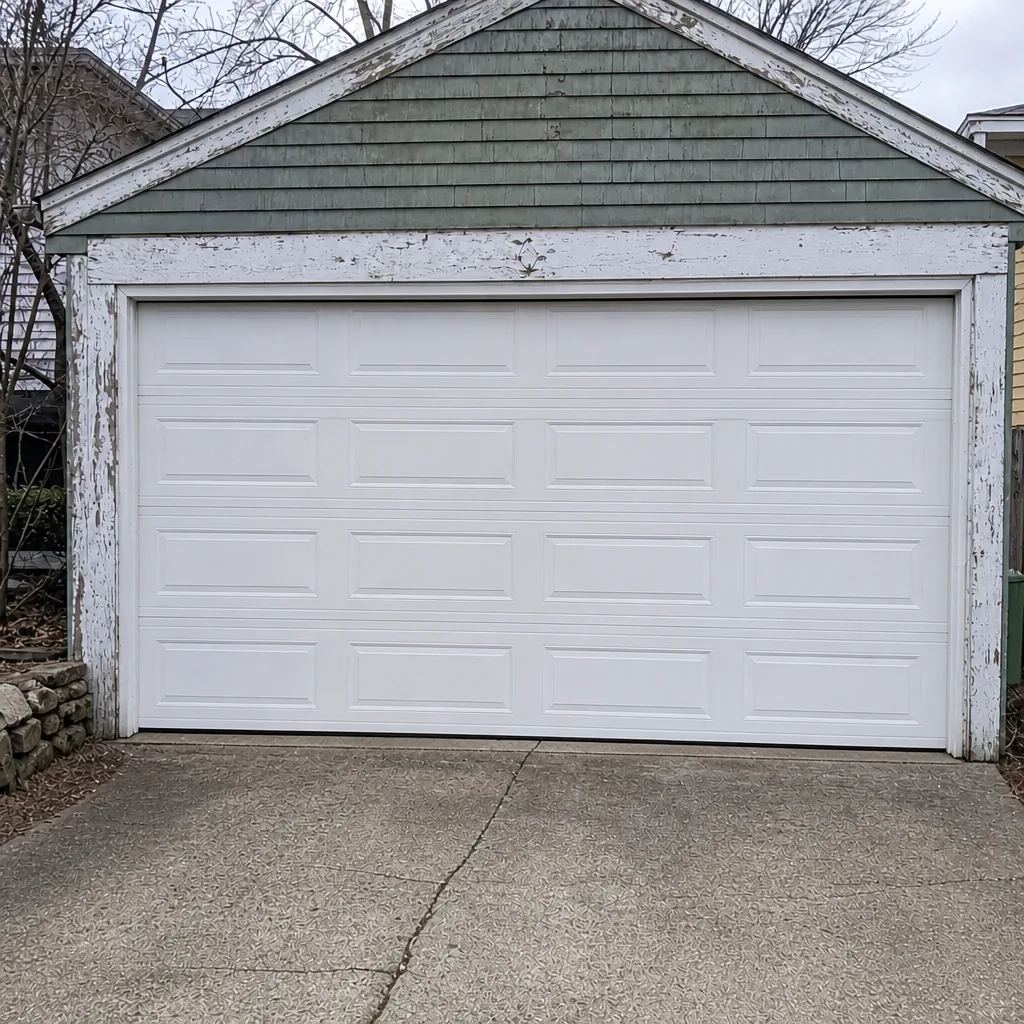 After
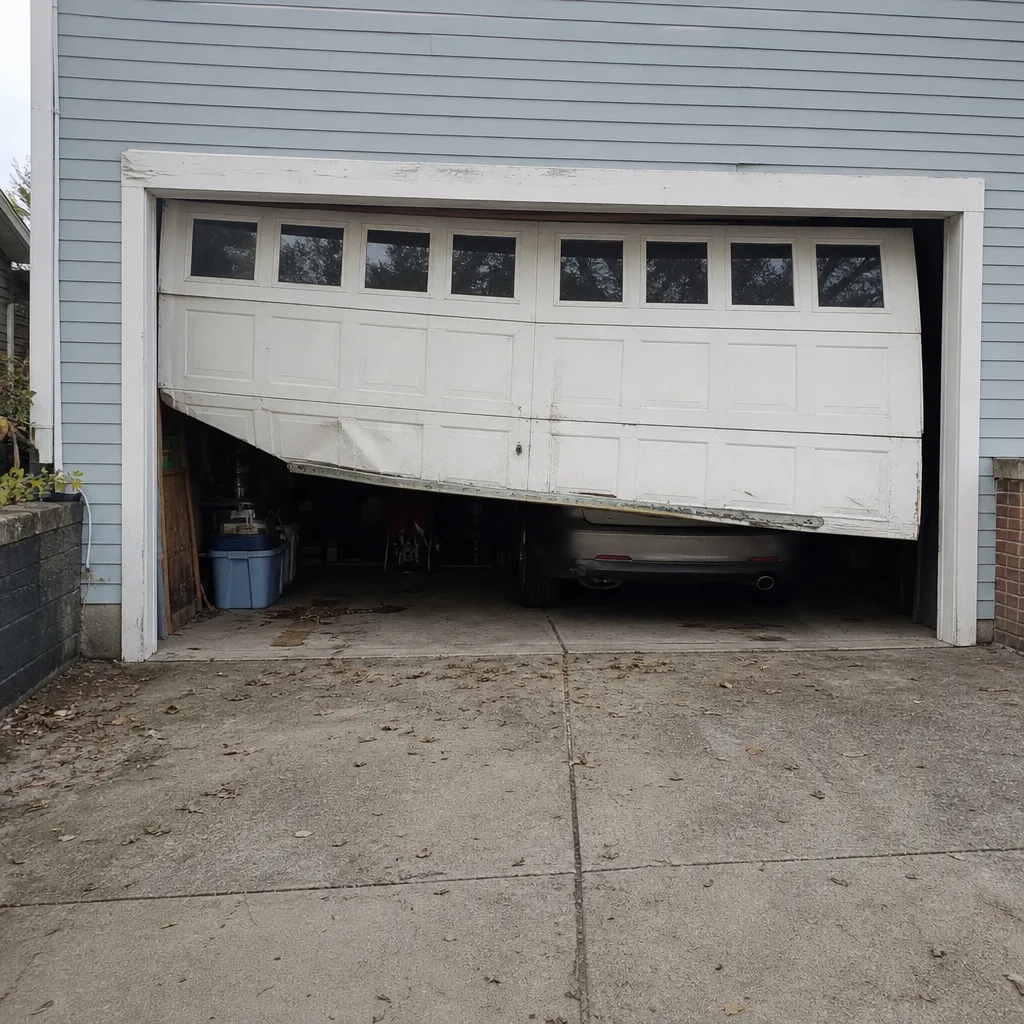 Before
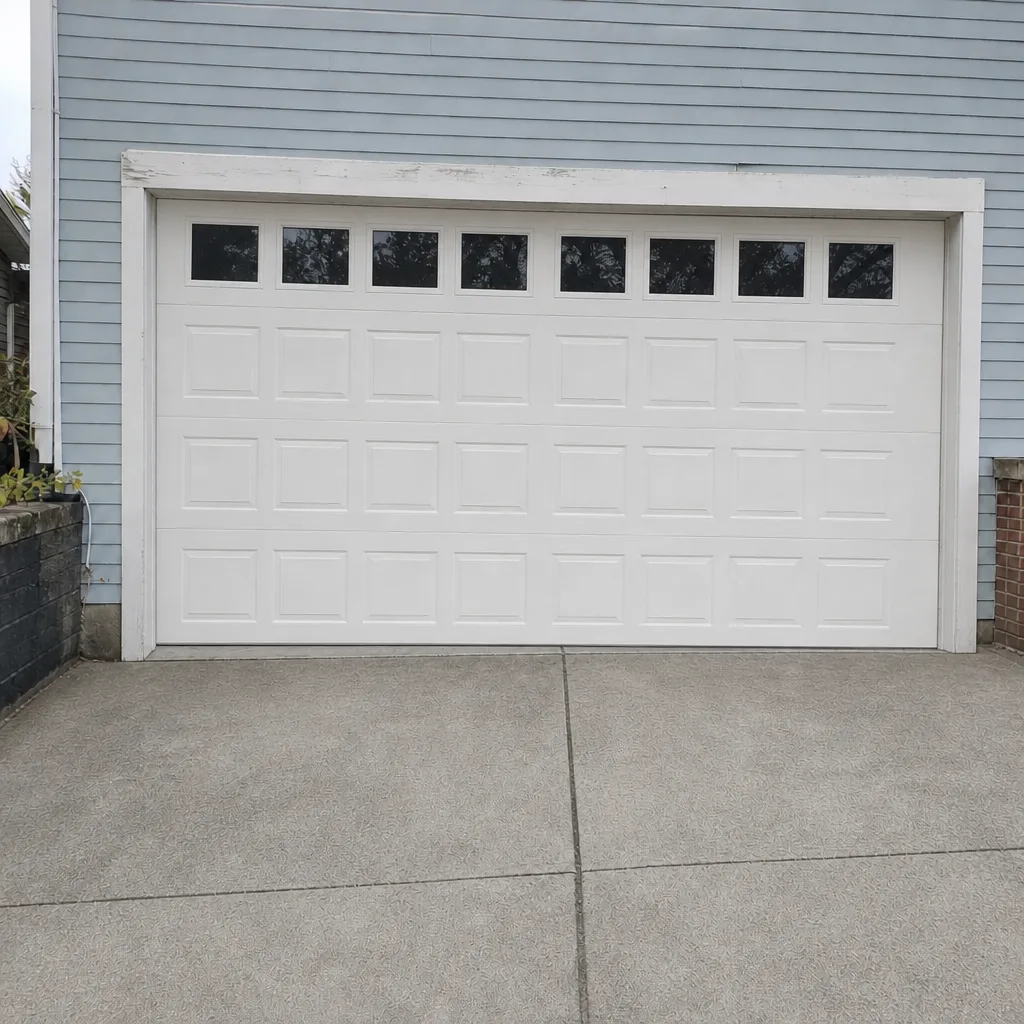 After
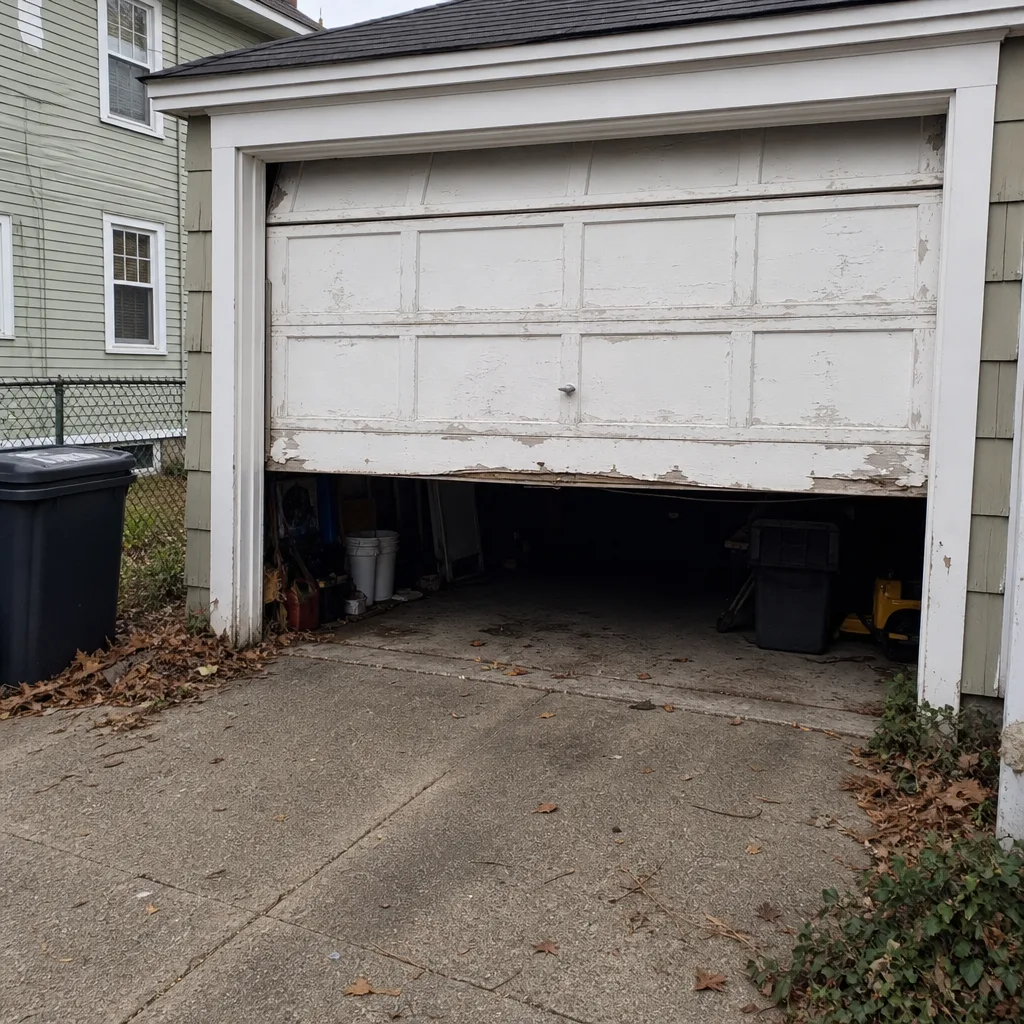 Before
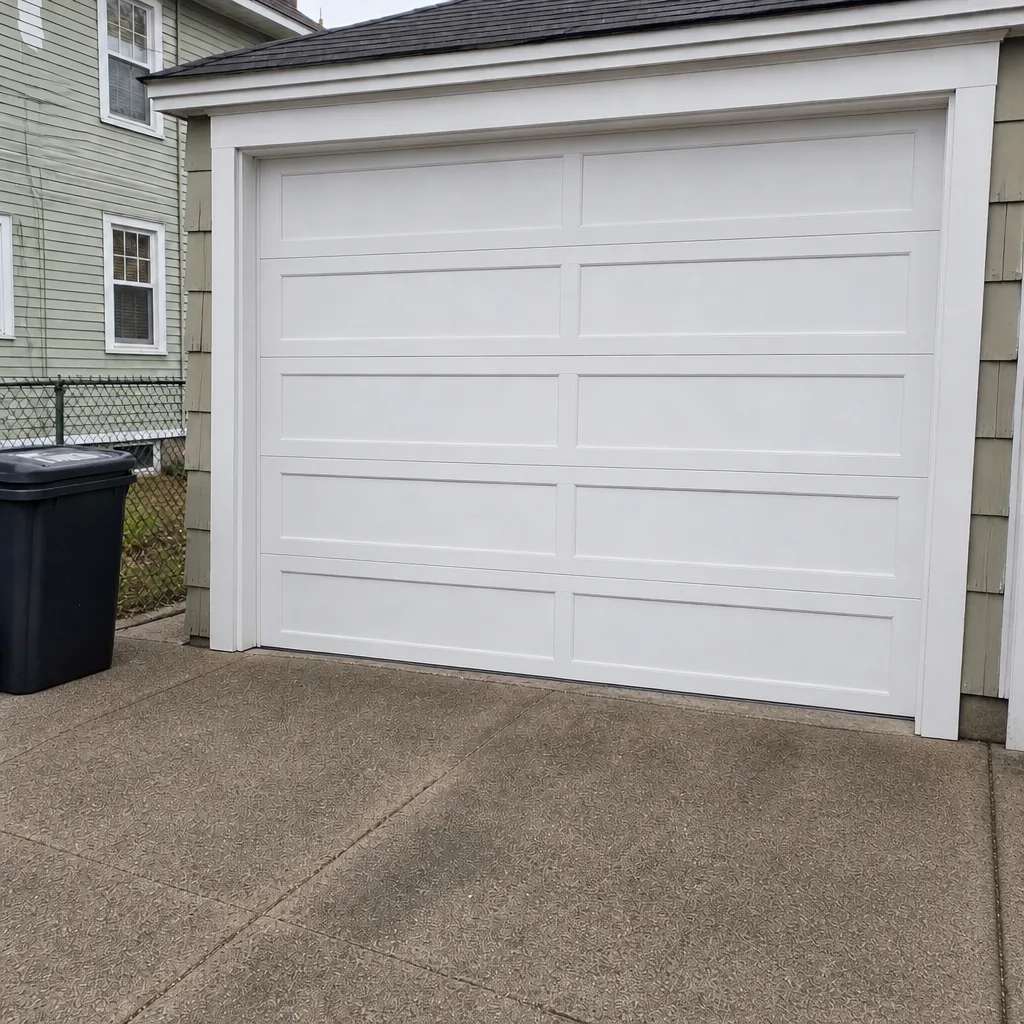 After
When to Call a Professional
Call a professional if you hear a snap and the door stops moving, if the door lifts unevenly or feels heavy by hand, if you see a frayed or kinked cable, if the safety reverse fails, or if a spring is visibly broken. Stop using the door when any of those signals is present; that’s not a “get to it next week” situation. Call a professional if you’re not sure what a sound means after a winter of salt exposure; a trained ear will tell you in minutes what a checklist can’t. Also call if you’re preparing to sell your home in Somerville, or if you haven’t had a full inspection in over a year and you’d rather know now than discover it in the March freeze-thaw stretch. Somerville Garage Door Repair Co offers free estimates in Somerville; call (877) 330-6542.
Frequently Asked Questions
Check it monthly from November through April when road salt is on the streets, and every two weeks during the March freeze-thaw stretch. Add a full manual balance test twice a year and one professional inspection per year. The frequency is tuned to the local winter, not the generic twice-a-year rule.
That’s almost certainly a broken torsion spring. Stop cycling the door and call a technician; a broken spring is a safety issue and should never be handled at home. We handle same-day spring repair and can be reached at (877) 330-6542.
Yes, for the hinges, torsion shaft bearings, and opener rail. Skip the track and the torsion spring itself. The spring is under extreme tension and needs a trained technician for any adjustment or replacement.
Most routine repairs are quoted per job after a free estimate, so the written quote is the price. That said, we won’t give you a number over the phone without seeing the door, and we’ll agree the estimate with you before any work begins.
No. That’s exactly why we measure the job, confirm the cause, and put the estimate in writing before we touch a single tool. If something changes mid-job, we stop and check with you before doing extra work.
Yes. We work on LiftMaster, Chamberlain, Genie, Clopay, Amarr, Wayne Dalton, Craftsman, and Raynor, plus most other residential garage door and opener brands. You won’t hear “we don’t work on that brand.”
It’s not an emergency if the door is closed, but it does mean the opener has a problem (most often a stripped gear or a drive issue) that won’t fix itself. Call (877) 330-6542 and we’ll book a visit; the same call also covers the door itself if something else has gone wrong.
Don’t cycle the door. Check the spring in the middle of the door’s top with the door fully closed and the opener disconnected, from a safe distance. If it’s visibly broken, or you’re not sure, call a technician. garage door spring repair is one of our core services and we handle it as a same-day call for most homeowners.
The Bottom Line
A maintenance checklist is only useful if it tells you what a problem looks, sounds, and feels like in the real conditions your door faces. In Somerville, those conditions are road salt, winter wet, and March freeze-thaw cycles, and they hit the bottom seal, low rollers, and track hardware harder than any generic checklist standard accounts for. Check often from November through April, lubricate the hinges and torsion shaft bearings (not the track), stop using the door the moment something snaps or feels heavy, and book an annual professional inspection so a $40 part doesn’t become a full opener replacement. If your door has you worried, we specialize in Somerville Garage Door Repair Co and only garage doors. Call (877) 330-6542 for a free estimate, and we’ll walk you through what your door is telling you.
Written by the team at Somerville Garage Door Repair Co.