Last updated November 23, 2026
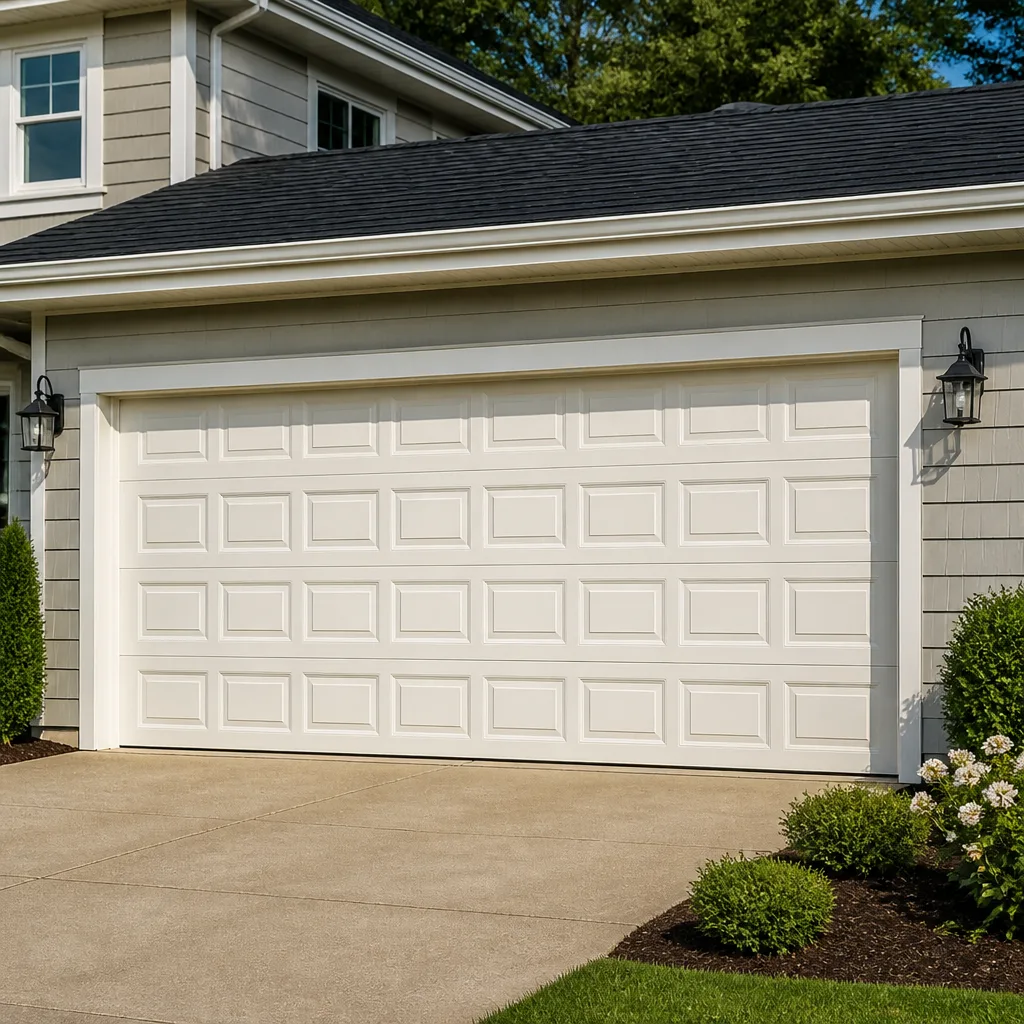 Raised-panel steel
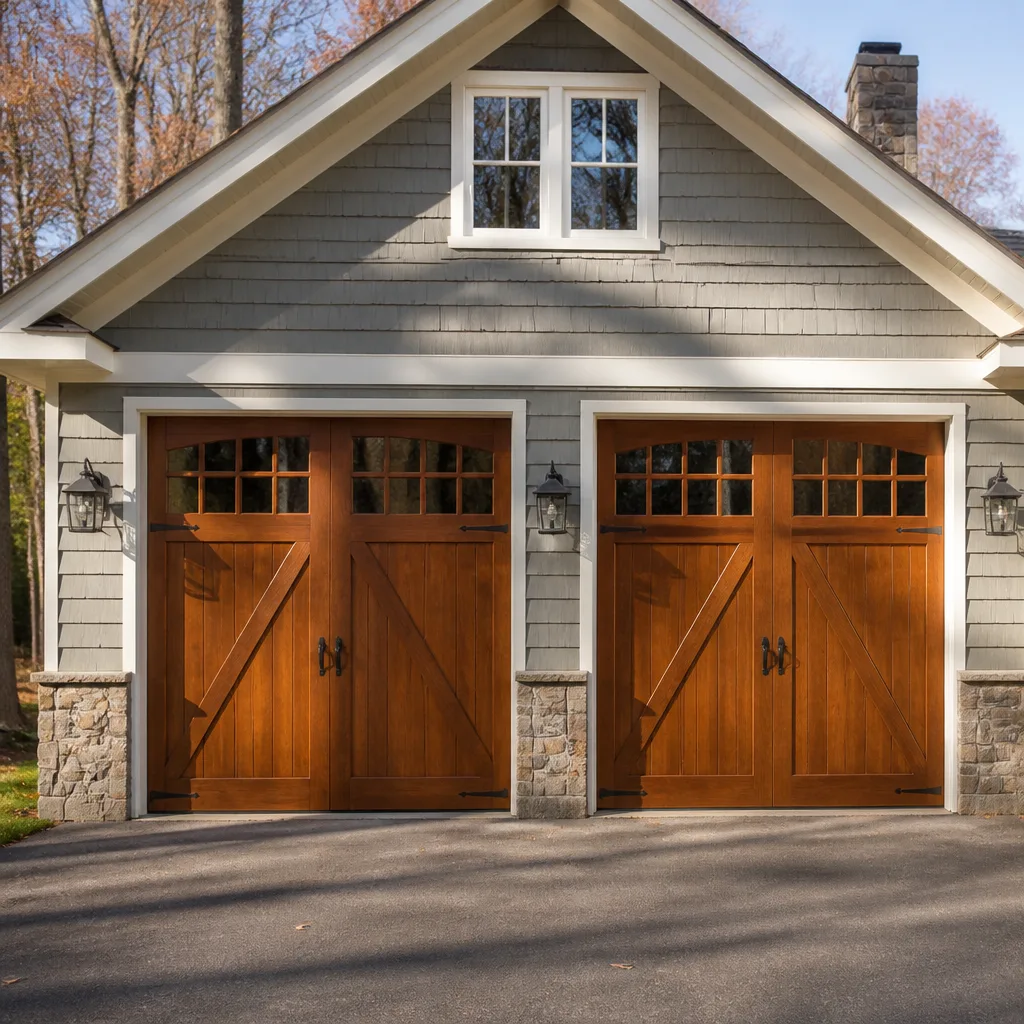 Carriage house
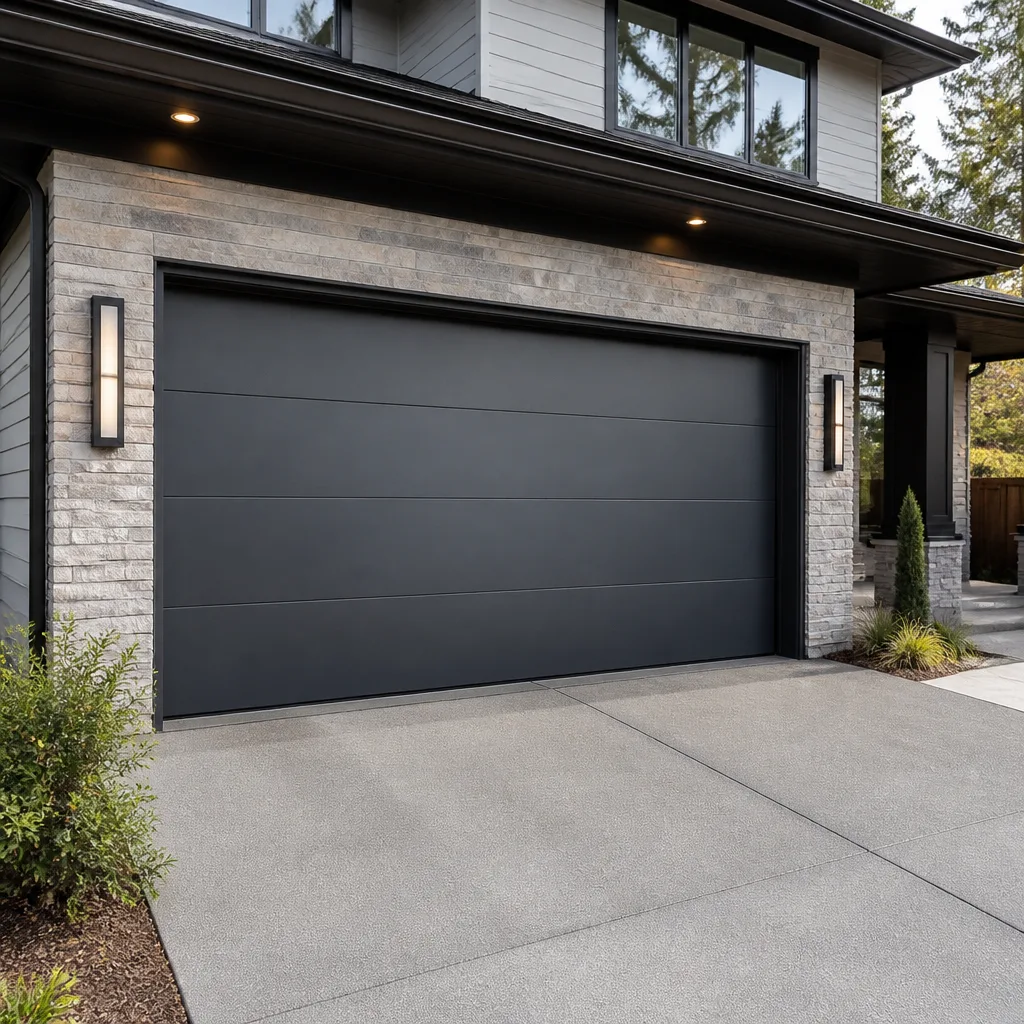 Modern flush
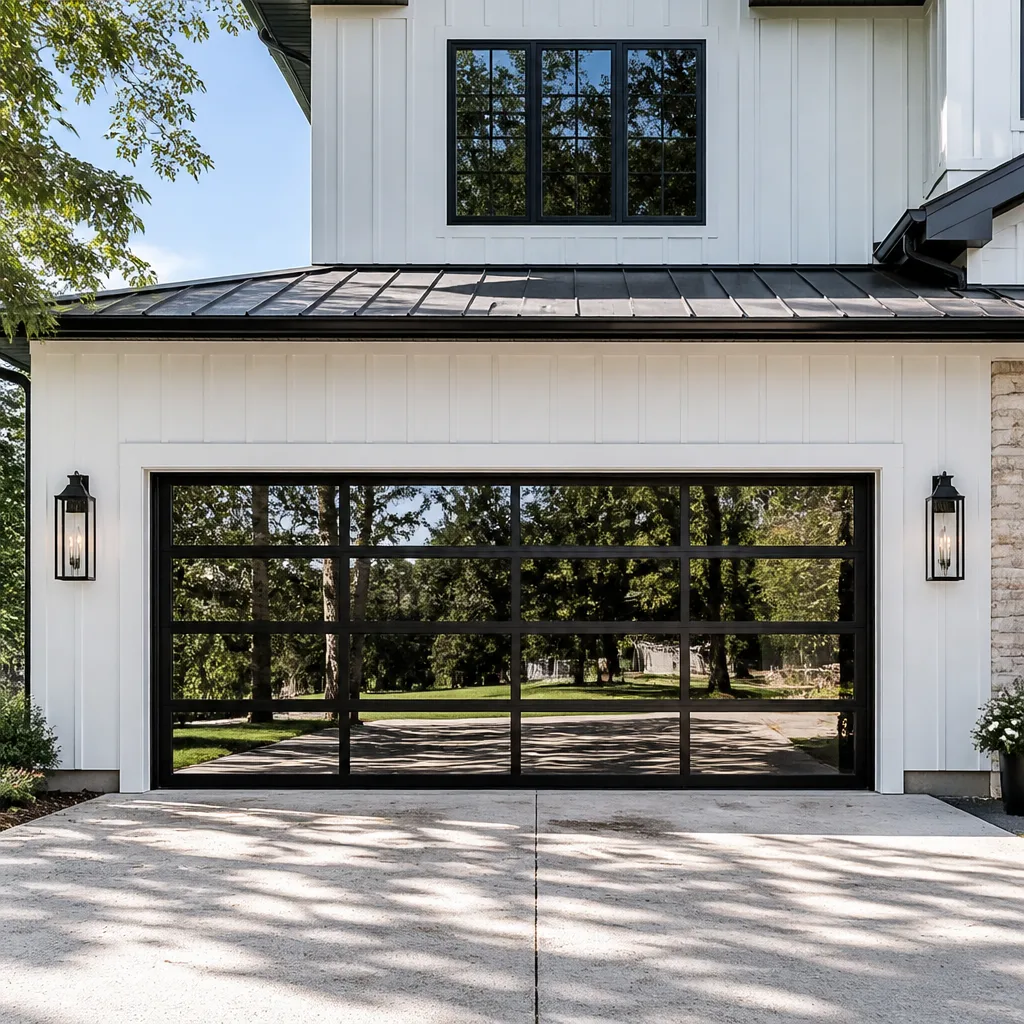 Full-view glass
 LiftMaster openers
 Chamberlain openers
Full 25-point door and opener safety check with every visit - springs, cables, rollers, tracks, and your LiftMaster or Chamberlain opener included
You get a price before we start. It does not change when the pro arrives.
Get your free estimateGarage Door Warning Signs: A Somerville Homeowner’s Reference Guide
A garage door does not fail silently. It gives weeks of warnings through sounds, speed changes, and visual cues that most homeowners dismiss as “normal” right up until the door stops moving. The difference between a small service call and a costly emergency repair is usually whether someone read those signals correctly and acted on them early. In Somerville, where a lot of garages were built alongside houses in the 1920s through the 1950s, those warnings often get misread as door problems when the real cause is the structure around the door. This guide pairs each observable symptom with what’s actually failing underneath, how urgent it is, and whether it’s safe to keep using the door while you schedule service.
Quick Answer
The most serious garage door warning signs are a door that reverses before closing, a visible gap or bend in a spring, a frayed or slack cable, and a door that slams down instead of lowering smoothly. Those four mean stop using the door and call a technician. Grinding, squealing, and slapping sounds are usually earlier-stage warnings you can monitor for a short time while you book garage door repair. If you’re unsure which category you’re in, treat it as the urgent one until a specialist looks at it.
Styles & brands we work with
- Raised-panel steel
- Carriage house
- Modern flush
- Full-view glass
- LiftMaster openers
- Chamberlain openers
Table of Contents
- Symptom-to-Cause Reference Table
- What Each Sound Tells You
- The Floor-Level Visual Inspection You Can Do Without Touching Anything
- The Door Balance Test and What a Failure Really Means
- Which Signs Mean Stop Using the Door Immediately
- How Older Somerville Garage Structures Mimic Door Problems
- Opener Warning Signs Most Homeowners Miss
- When to Schedule Versus When to Call for Emergency Service
Symptom-to-Cause Reference Table
The fastest way to understand a garage door symptom is to map it to the component that produces it. A sound or movement you notice at the door is almost always downstream of a specific part: a spring under load, a cable under tension, a roller in a track, or the opener motor itself. Below is the reference we use when a homeowner describes a problem over the phone. It tells you what’s likely failing, what happens if you defer the repair, and how quickly you should act.
- Loud bang from above, door won’t lift: a torsion spring has snapped. Deferred repair means the door is dead weight and unsafe to force. Act immediately.
- Grinding as the door moves: worn rollers, dry or failing bearings, or a track out of alignment. Deferred repair wears the opener motor and can bend the track. Schedule within days.
- Slapping or flapping: a loose panel, a roller pulled from its hinge, or a hinge that has wallowed out its mounting hole. Deferred repair can drop a panel. Schedule soon.
- Popping or snapping during travel: a cable jumping its drum, or a torsion spring beginning to fail at the coil. Treat as urgent.
- Squealing: metal-on-metal contact from dry hinges, rollers, or a worn bearing plate. Early-stage; monitor but schedule.
- Rattling that gets worse: loose fasteners on hinges or brackets. Low urgency, but it compounds into bigger wear if ignored.
- Door moves unevenly or jerks: a stretched spring, a binding roller, or a track that is no longer plumb. Get it checked before the opener takes the strain.
- Door reverses mid-travel: safety sensor obstruction, a misaligned track, or a failing limit switch in the opener. Stop and diagnose.
What most symptom lists leave out is the cost of waiting. A squealing bearing that would be a quick service becomes a failed opener motor when the extra drag burns it out. A rattling hinge becomes a torn panel when the roller finally lets go. In our experience in Somerville, the repair that started as a sound almost always costs less than the repair that started as a sound someone ignored for a month.
What Each Sound Tells You
Sound is the earliest warning a garage door gives you, and it’s also the one homeowners tune out fastest. A door that has always made some noise still has a baseline, and any change from that baseline is information. Here’s how to read the four sounds we hear about most.
Grinding
Grinding is metal dragging against metal. Most often it’s a seized roller bearing or a roller that has worn flat and is scraping the track instead of rolling through it. It can also come from a torsion bearing plate at the header that has lost its lubrication. Grinding is a middle-urgency warning: the door will keep working for a while, but every cycle wears the opener motor harder because the door is fighting resistance it wasn’t designed for. Deal with it before the motor pays the price.
Slapping or Flapping
Slapping usually traces to a panel that has worked loose, a hinge that has pulled away from the section, or a roller that has popped out of its hinge and is hanging. On older single-car doors common in Somerville’s denser neighborhoods, the vibration of a heavy wooden or early steel door accelerates this. Slapping is worth scheduling promptly because a loose panel under load can drop, and a dropped panel on a moving door is a genuine hazard.
Popping or Snapping
A sharp pop during travel is the sound of stored energy being released in the wrong place. It can be a cable jumping its drum or a torsion spring starting to fail at a coil. Popping is high urgency. Stop cycling the door and get it looked at, because the next event in that sequence is often a full spring failure or a cable let-go.
Squealing
Squealing is the friendliest warning on the list. It usually means dry hinges, dry rollers, or a bearing plate that needs attention. It’s early-stage and low urgency, but it is a warning. A door that squeals today is a door whose fasteners are loosening and whose bearings are drying out. The fix is quick; the neglect is what adds up.
The Floor-Level Visual Inspection You Can Do Without Touching Anything
You can assess a lot of a garage door’s condition without touching a single moving part, and that matters because springs and cables are under dangerous tension and should never be handled by a homeowner. What follows is a look-only inspection you can run in a couple of minutes, standing on the floor.
- Look at the springs. Torsion springs sit on a bar above the door; extension springs run alongside the tracks. Look for a visible gap in a coil, a stretched section, or rust that has turned the spring a deep orange-brown. A gap means the spring has failed. Don’t touch it.
- Look at the cables. The cables are the thin steel lines running from the bottom corners up to the drums. You want them taut and neatly wound. A cable that looks slack, frayed, or has jumped off its drum is a stop-using-it sign.
- Look at the rollers. Check each roller in the track for flat spots, cracks, or a wheel that’s sitting at an angle. Worn rollers are the most common cause of grinding and uneven travel.
- Look at the track. Stand back and sight down each vertical track. It should be straight and parallel to the door edge. A visible bend or a track that’s pulling away from the jamb is a sign the door is binding.
- Look at the door panels. Check for dents, bends, or a panel that has separated from its hinge. On a sectional door, look along the seams between sections for daylight coming through where it shouldn’t.
- Look at the hinges and brackets. Check for fasteners that have backed out or mounting holes that have enlarged. A hinge that’s wobbling is a hinge that’s about to let go.
That’s the whole inspection. If any of it turns up a spring gap, a slack cable, or a bent track, stop and call a technician rather than continuing to cycle the door. For the rest, note what you saw and describe it when you book service. If the issue turns out to be spring-related, our garage door spring repair handles the most safety-critical part of the system.
The Door Balance Test and What a Failure Really Means
The balance test tells you whether your springs are still doing their share of the lifting, or whether your opener motor is quietly carrying weight it was never meant to. It is a simple test, and most homeowners have never run it.
- Disconnect the opener using the manual release cord so the door moves by hand only.
- Lift the door to about waist height and let go.
- A balanced door stays roughly where you put it. A door that drops or rises on its own is out of balance.
Here’s what most guides don’t explain: a failed balance test is not always a spring problem. It can be a stretched spring, a broken spring, a binding track, a seized roller, or a combination. The important consequence is that an unbalanced door forces the opener motor to work against the full weight of the door on every single cycle. A motor rated for a properly balanced door will overheat, wear its gears, and fail early when the door is out of balance. That’s why a failed balance test is worth acting on even if the door still opens. You’re not just protecting the springs; you’re protecting the opener and the garage door opener repair budget you’d rather not spend. If you disconnect the opener for the test, remember to reconnect it before you use the door with the remote again.
Which Signs Mean Stop Using the Door Immediately
Some warning signs are scheduling signals. Others are stop signals. Getting this distinction wrong is how a manageable repair turns into an emergency call at an inconvenient hour. Here’s the line we draw.
Stop using the door immediately if you see or hear any of these:
- A visible gap in a torsion or extension spring.
- A cable that is slack, frayed, snapped, or off its drum.
- The door reverses before it closes, or closes on an obstruction.
- A door that slams down instead of lowering at a controlled speed.
- A bent or detached track, or a door that has come off its rollers on one side.
- A loud bang followed by a door that won’t lift.
Springs and cables store enormous energy. A door operating with a compromised spring or cable can release that energy suddenly, and the result is a genuine injury risk to anyone standing under or beside the door. This is not a repair to attempt yourself. If any of the stop signs above apply, leave the door where it is and call for help.
You can monitor continued use, briefly, while you schedule service, if you have:
- Mild squealing or grinding that hasn’t changed the door’s travel.
- Rattling or vibration from loose fasteners.
- An opener that hesitates or reverses occasionally but still travels fully.
- Cosmetic dents or a door with worn rollers that still tracks straight.
Monitor means watch it, not ignore it. If a monitored symptom gets worse, escalates into a stop signal, or the door starts behaving differently than it did yesterday, treat it as urgent. If you’re not sure whether you’re in the stop or monitor column, stop using the door and call. Our Somerville Garage Door Repair Co team is the one to reach.
How Older Somerville Garage Structures Mimic Door Problems
Somerville has a lot of garages that went up with the houses in the 1920s through the 1950s, and those structures create warning signs that look exactly like door problems but aren’t. This is the single biggest source of repeat repairs in the city, and it’s worth understanding before you spend money on a part you didn’t need.
The issue is that older garage framing settles. Headers sag. Jambs go out of plumb. The opening itself can go slightly out of square over decades. When the opening is no longer square, the door doesn’t sit right in it, and the tracks that hold the door can no longer stay parallel. That produces symptoms that read as door failures: the door binds on one side, the opener strains, rollers wear unevenly, and the door reverses or stops mid-travel. A technician who only replaces the rollers or resets the opener limit switch will make the symptom go away for a while, and then it comes back. That cycle is what people mean when they say their door “keeps breaking.”
Here’s what to watch for that points to the structure rather than the door itself:
- The gap between the door and the jamb varies from top to bottom on one side.
- The vertical tracks are plumb but the opening between them isn’t square.
- The door binds in the same spot on every cycle, regardless of how recently the rollers were replaced.
- A track keeps needing to be re-secured because the wood it’s anchored to keeps giving.
- The door works fine in mild weather and binds when the structure moves with temperature and moisture.
If any of that sounds like your garage, tell the technician when you book. In Somerville’s older structures, the right fix sometimes means adjusting how the door is supported before replacing parts, and that only happens if the person diagnosing it knows to look at the framing and not just the door. A dedicated garage door specialist will check the opening and the structure around it, not assume the door is the only variable. If the ultimate answer is that the door itself has reached the end of its life, a new door and proper installation can resolve a lot of this at once, and our garage door repair and installation work is all we do.
Opener Warning Signs Most Homeowners Miss
Most homeowners focus on the door and ignore the opener until it quits. The opener gives its own set of warnings, and those are worth reading because a failing opener is easy to catch early and expensive to ignore. Whether you have a LiftMaster, Chamberlain, Craftsman, or Raynor unit, the failure signals tend to look similar.
- The opener reverses at the same spot every time. That’s usually a limit switch or a safety sensor, and it’s an early warning of a control failure. Don’t mistake it for a door problem.
- The opener runs but the door doesn’t move. That’s a disengaged release, a broken spring carrying the load, or a stripped gear. If a spring looks intact, the opener is the suspect.
- The opener strains or sounds labored. A balanced door should feel effortless to the motor. Labored operation usually means the door has lost its balance and the motor is carrying the load, which is the classic path to a burned-out opener.
- The safety sensors flash or the door won’t close. Obstruction, misalignment, or a wiring issue. Check that nothing is in the beam path, then call if it persists.
- The opener hesitates before responding to the remote. A failing logic board, a weak remote battery, or interference. Rule out the simple causes first.
The important thing to remember is that the opener is downstream of the door. If the door is out of balance or binding, the opener wears faster no matter how good the unit is. We work on the whole system, from the door and springs to the opener, so the diagnosis covers what’s actually failing rather than just the part that’s making noise. If you’re dealing with a LiftMaster or Chamberlain unit that’s started to misbehave, don’t wait for it to fail completely.
When to Schedule Versus When to Call for Emergency Service
Not every warning sign needs an emergency call, but the ones that do should not be postponed. Here’s the practical divide we use in Somerville.
Call for emergency service if:
- The door won’t open and is trapping a vehicle you need.
- The door is stuck open and your home is exposed.
- A spring has snapped and the door won’t lift.
- A cable has let go or the door has dropped off one side.
- The door has reversed and closed on an obstruction, or is behaving erratically enough that you can’t trust it.
Emergency garage door service isn’t an add-on for us. When your door won’t move, neither should you have to wait, because a stuck door in Somerville can trap a car and leave a house open. The door is a piece of equipment doing daily mechanical work under load, and when it fails it tends to fail on the day you need it most.
Schedule a standard service call if:
- The door grinds, squeals, rattles, or slaps but still travels normally.
- The door is out of balance but not stuck.
- The opener hesitates or reverses occasionally.
- You’ve noticed worn rollers, a loose hinge, or a minor dent, but the door is operational.
For scheduling, call and describe what you’ve seen and heard. Bring the door’s brand, if you know it. We work on the major brands: LiftMaster, Chamberlain, Genie, Clopay, Amarr, Wayne Dalton, Craftsman, and Raynor. If your door is one of those and you can describe the symptom, our technicians have up to 12 years of experience matching it to the right fix. Free estimates apply to scheduled work, and the price is agreed in writing before anything gets started. That’s true whether the fix is a set of rollers or a new opener.
Common Mistakes to Avoid
- Greasing a spring or cable to stop a squeal. Lubricant on a spring or cable attracts grit and can hide the early signs of a failure. Stick to the moving metal joints and the rollers, and let a technician handle the loaded parts.
- Trying to lift or force a door with a broken spring. A door with a failed spring is dead weight, and forcing it can drop it or damage the opener. Leave it and call, because this is one of the few cases where the safe move is to stop entirely.
- Adjusting the opener’s force setting to make a binding door move. Raising the force setting masks a mechanical problem while the opener works harder. It’s a common shortcut that shortens the opener’s life, and it’s one we see in Somerville garages where the framing is the real issue.
- Assuming a recurring bind is a door problem in an older garage. In Somerville’s 1920s-1950s garages, the header and jambs settle, and a door that keeps binding needs the opening checked. Replacing rollers over and over treats the symptom, not the cause.
- Ignoring a reversal because the door “still closes eventually.” A door that reverses is telling you the safety system is doing its job and something is wrong. Forcing it to close by holding the button is a real risk, especially around children and pets.
- Replacing the opener when the door is the problem. A new opener on an unbalanced door will wear out the same way the old one did. Diagnose the door and springs first, then decide whether the opener needs attention.
- Skipping the visual check because the door still opens. Most of what fails has a visible warning weeks before it gives out. A two-minute floor-level look catches most of it.
See the difference
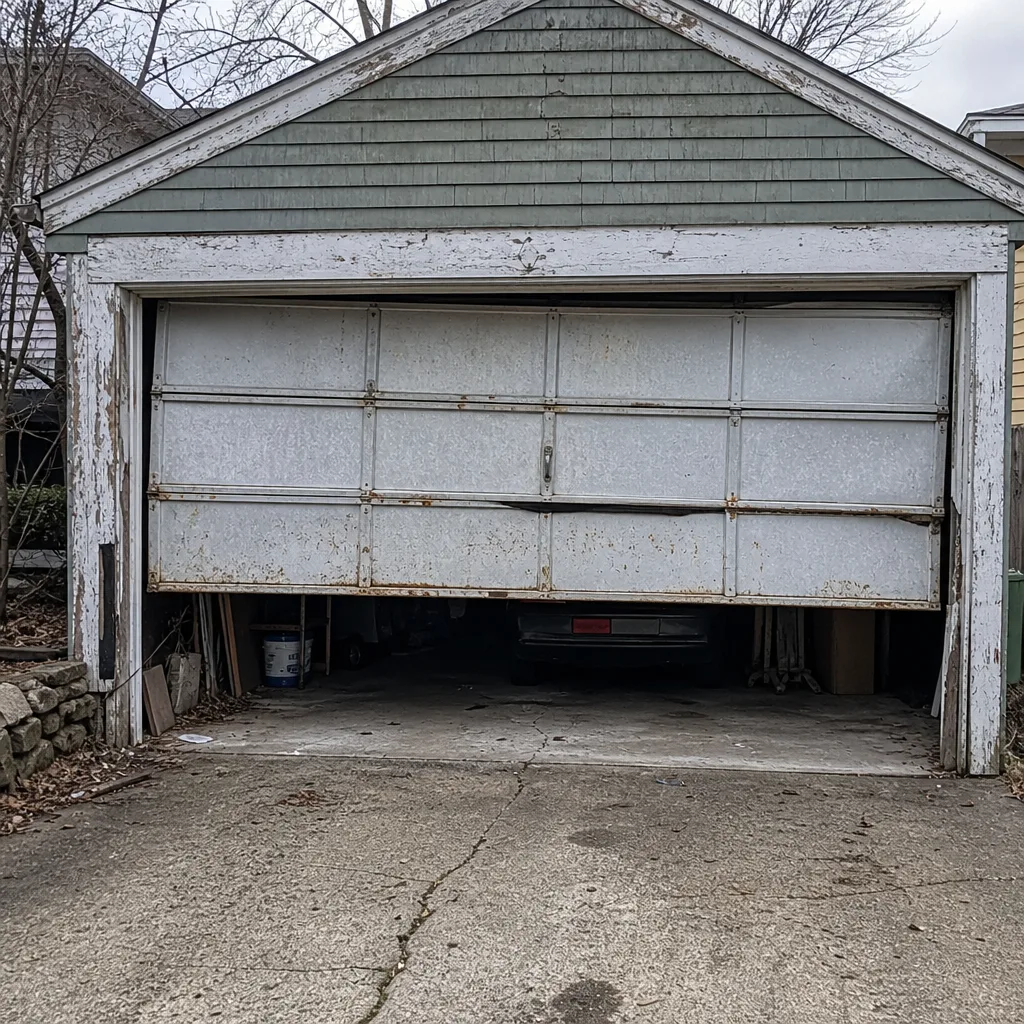 Before
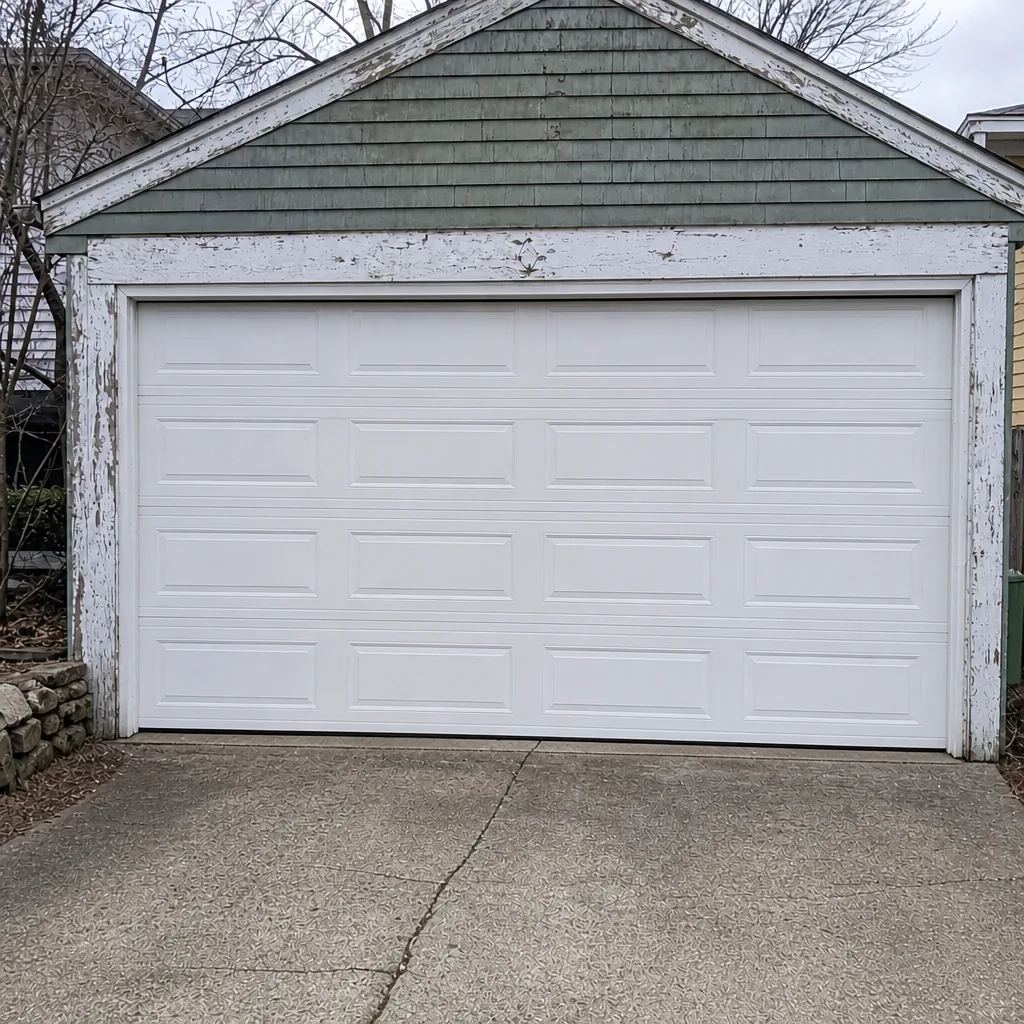 After
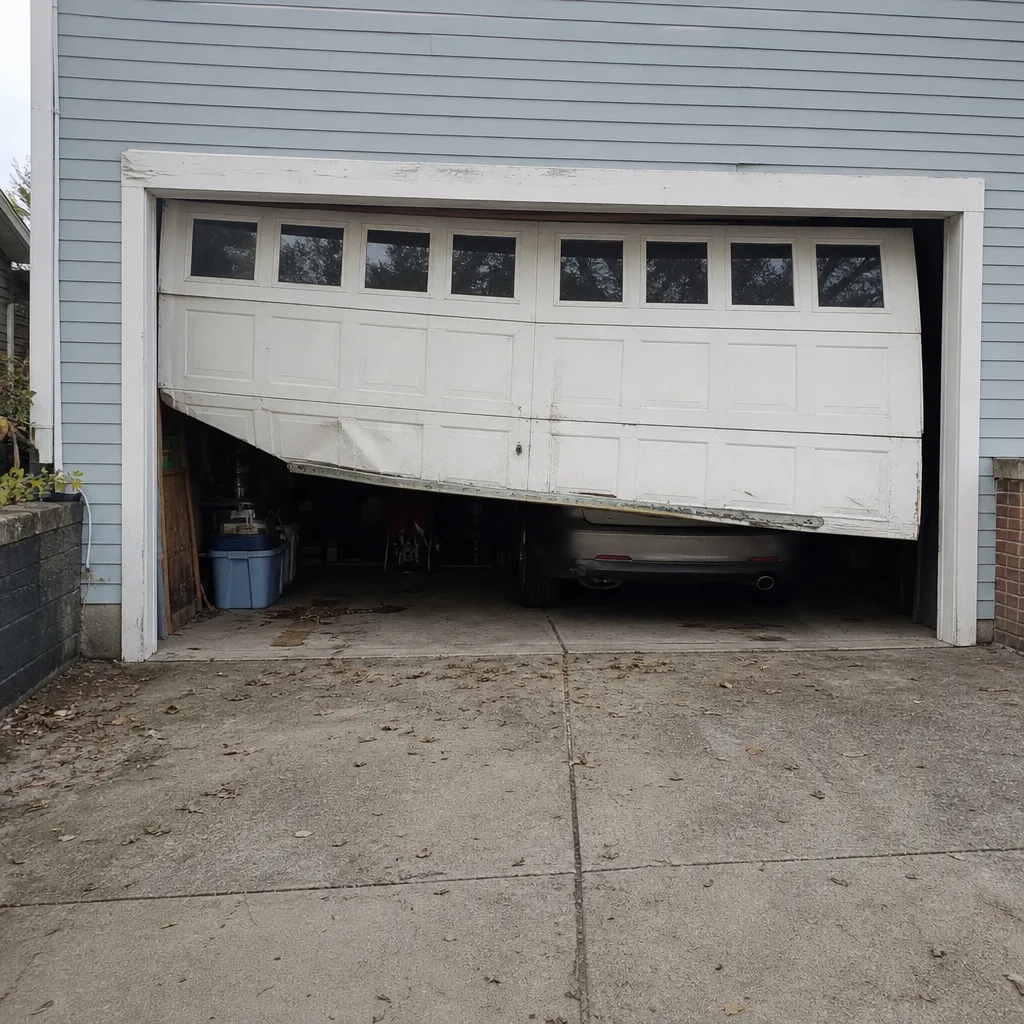 Before
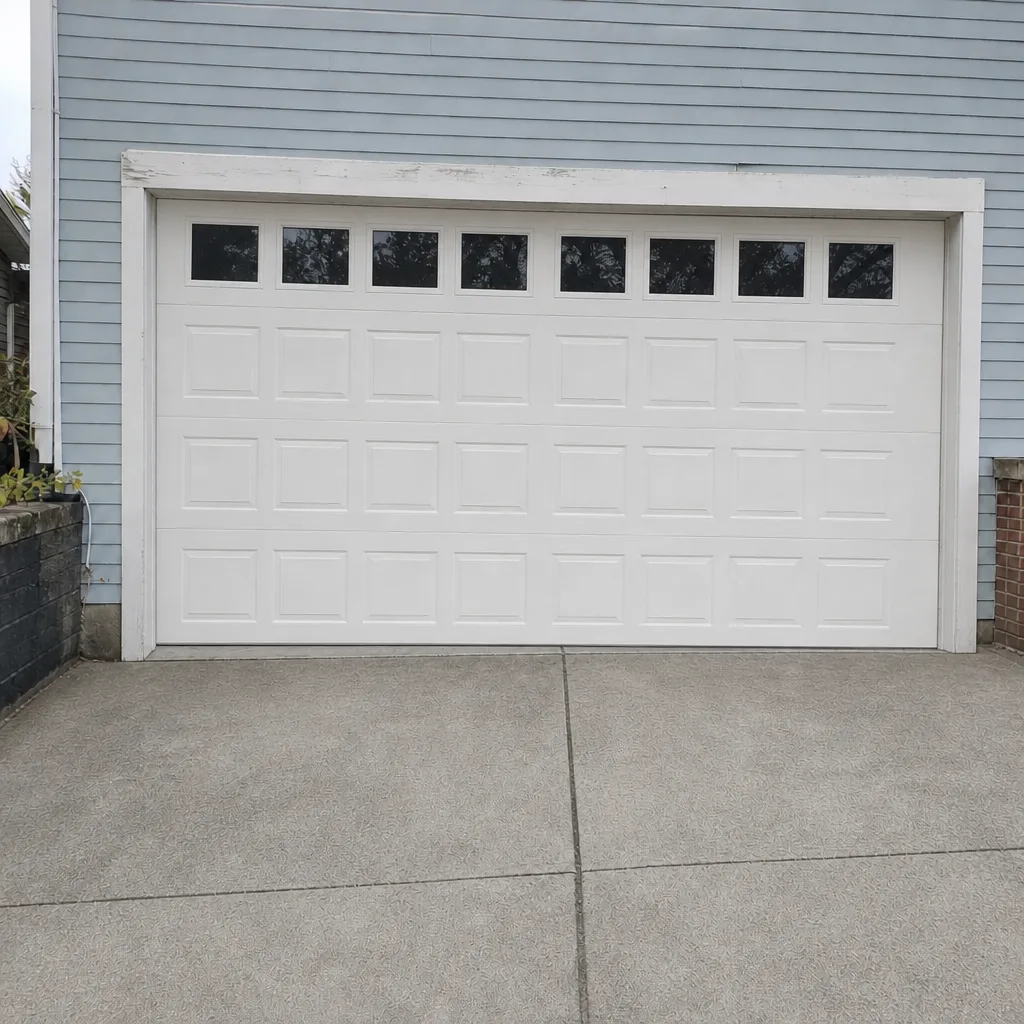 After
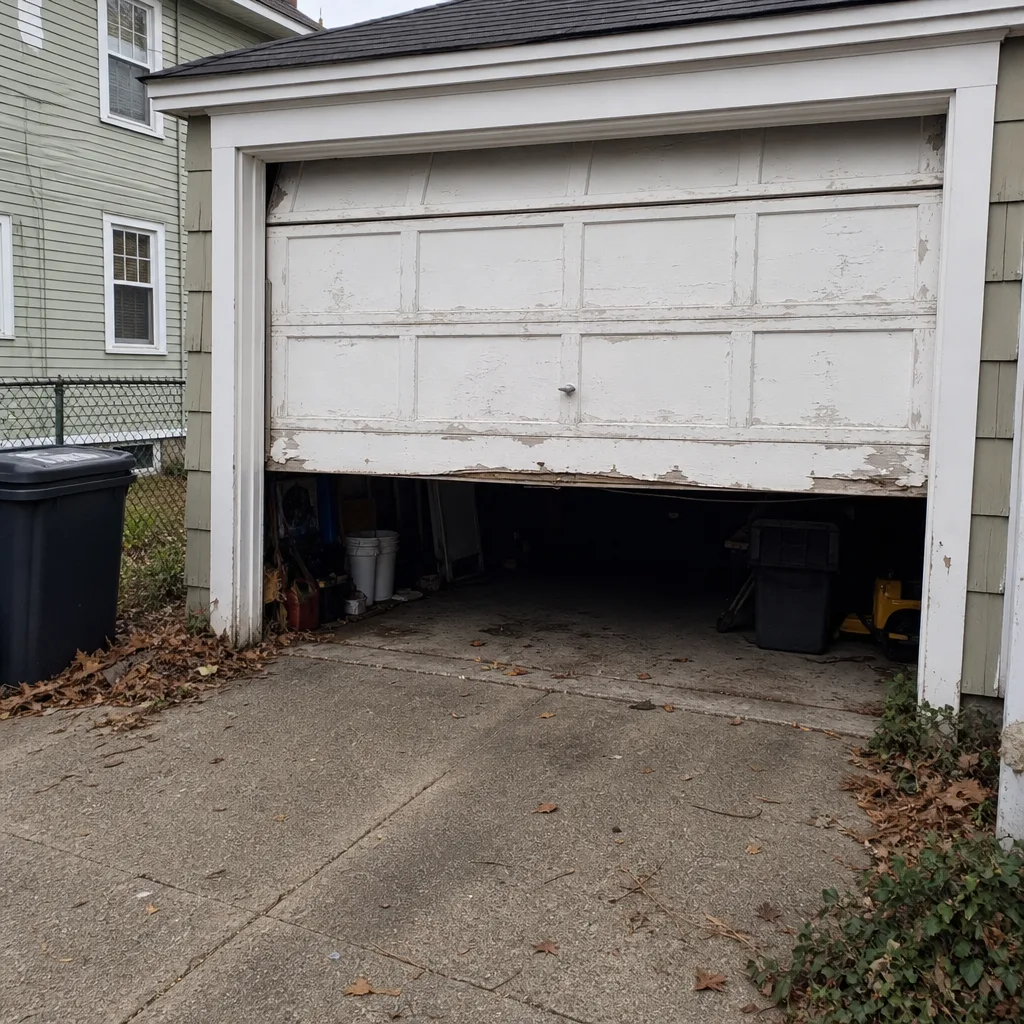 Before
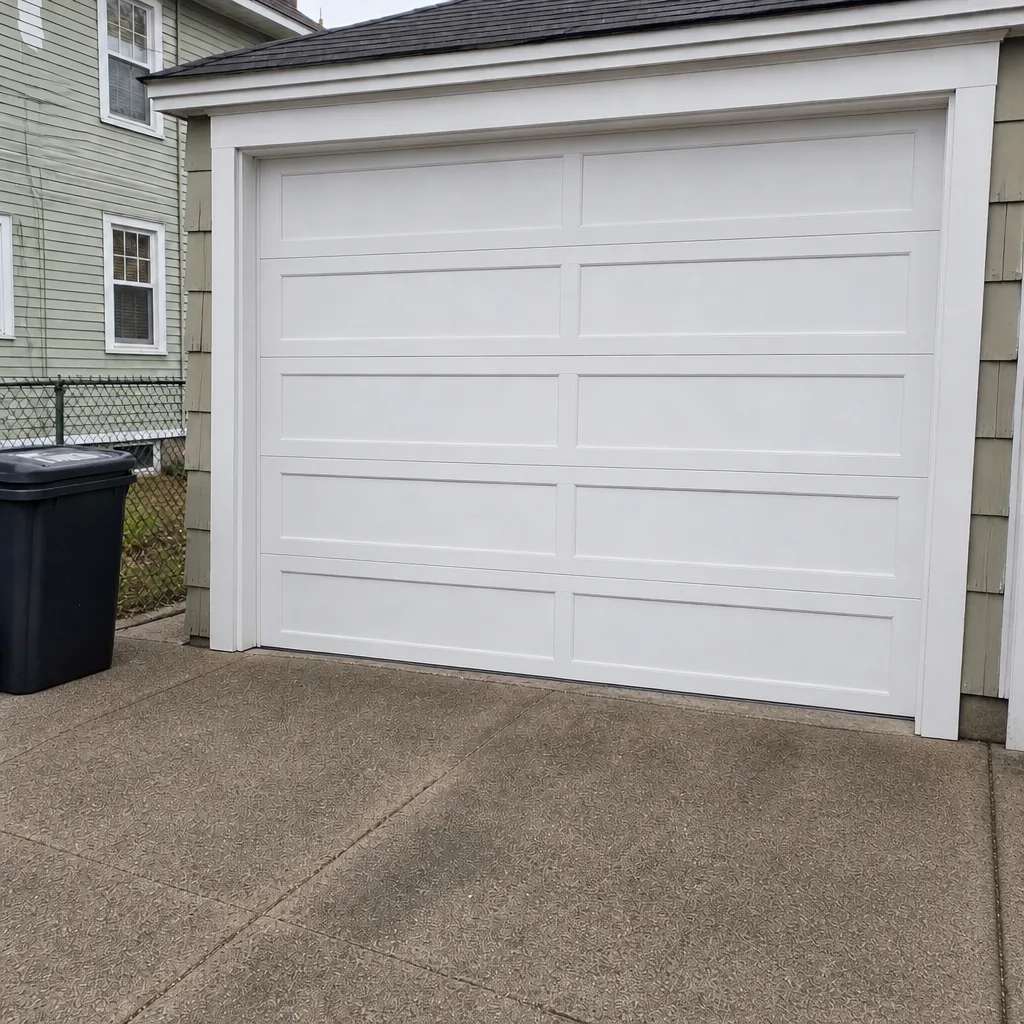 After
When to Call a Professional
Call a professional the moment you see a gap in a spring, a slack or frayed cable, a bent track, or a door that has dropped off its rollers. Those are stop signs, not scheduling signals. Call sooner rather than later if your door reverses intermittently, if the opener labors or hesitates, or if you’ve noticed the same bind or rattle coming back after a previous repair, because that pattern often points to something a parts swap won’t fix. Springs and cables are under dangerous tension, and the safe move is always to keep your hands off them. Somerville Garage Door Repair Co offers free estimates in Somerville, and our technicians focus on garage doors only, so the diagnosis covers the door, springs, cables, and opener together. Call (877) 330-6542 and describe what you’re seeing and hearing. We’ll tell you whether it’s a monitor-and-schedule sign or a stop-now sign.
Frequently Asked Questions
The earliest signs are usually sound and speed: new grinding, squealing, or rattling that wasn’t there before, and a door that moves a little unevenly or hesitates at the same point on every cycle. Those typically mean worn rollers, drying bearings, or early spring fatigue. Call (877) 330-6542 and we can help you sort the early warnings from the urgent ones, with free estimates.
No. A door with a broken spring should not be operated at all. The spring is what balances the door’s weight, so with a failed spring the door is dead weight and can drop or damage the opener if forced. Leave it and call for service rather than running it, and never try to lift or replace the spring yourself.
A reversing door usually means the safety sensors are detecting an obstruction, the sensors are misaligned or dirty, or the opener’s limit switch is out of adjustment. It can also point to a track issue. Check that nothing is in the sensor beam and that the sensors are clean, then call if it keeps happening, since a door that reverses is doing its job but telling you something is wrong.
Run the balance test with the opener disconnected: lift the door to waist height and let go. If it drops or rises on its own, the springs are involved. If the door holds its position but the opener still labors or reverses, the opener is the likely culprit. If you’re not comfortable with the test, call and describe the symptom. Our technicians have up to 12 years of experience and work on the door and opener as one system.
Repeat failures often come from the structure around the door rather than the door itself. In Somerville’s older garages, the framing and opening can settle out of square, so the tracks won’t stay parallel even after a repair. That binding wears parts again and again. Tell the technician it’s a repeat issue so the opening and framing get checked, not just the door.
Yes. A broken spring, a snapped or slack cable, a door that won’t open and is trapping your car, a door stuck open, and a door that has come off its tracks all call for emergency service. Emergency garage door service is a core part of what we do, not a premium add-on. Call (877) 330-6542 and we’ll get you booked as soon as we can.
The Bottom Line
A garage door tells you it’s in trouble long before it stops working. The job is reading the signal correctly: matching the sound or movement to what’s actually failing, deciding whether it’s a stop sign or a scheduling signal, and knowing when a Somerville structure is the real cause rather than the door. The four stop signs are a spring gap, a slack or frayed cable, a reversing door, and a door that slams down. Everything else is a scheduling signal, but none of them should be ignored. Run the floor-level visual check and the balance test, watch the opener, and call when something changes. Free estimates, an agreed price before any work starts, and a team that works on your brand. Call (877) 330-6542 for a free estimate in Somerville.
Written by the team at Somerville Garage Door Repair Co.