Last updated November 23, 2026
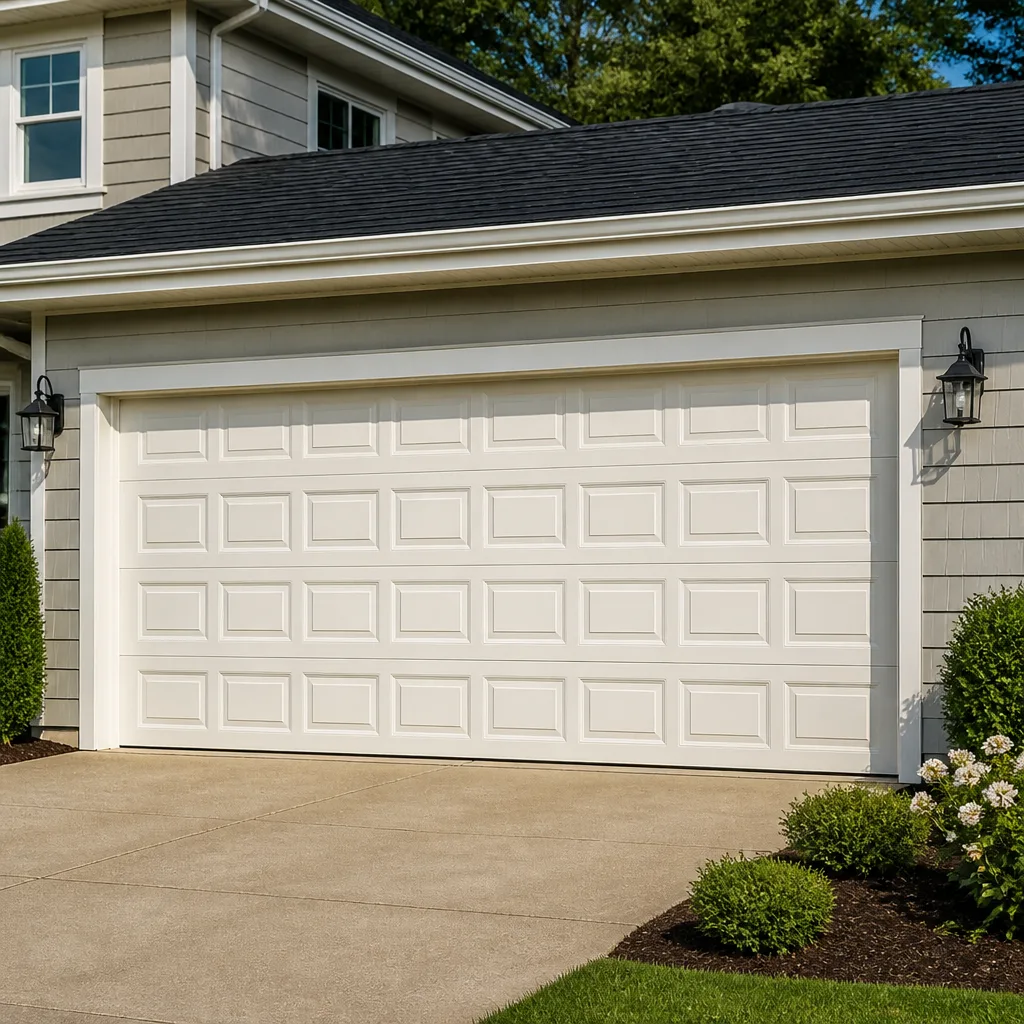 Raised-panel steel
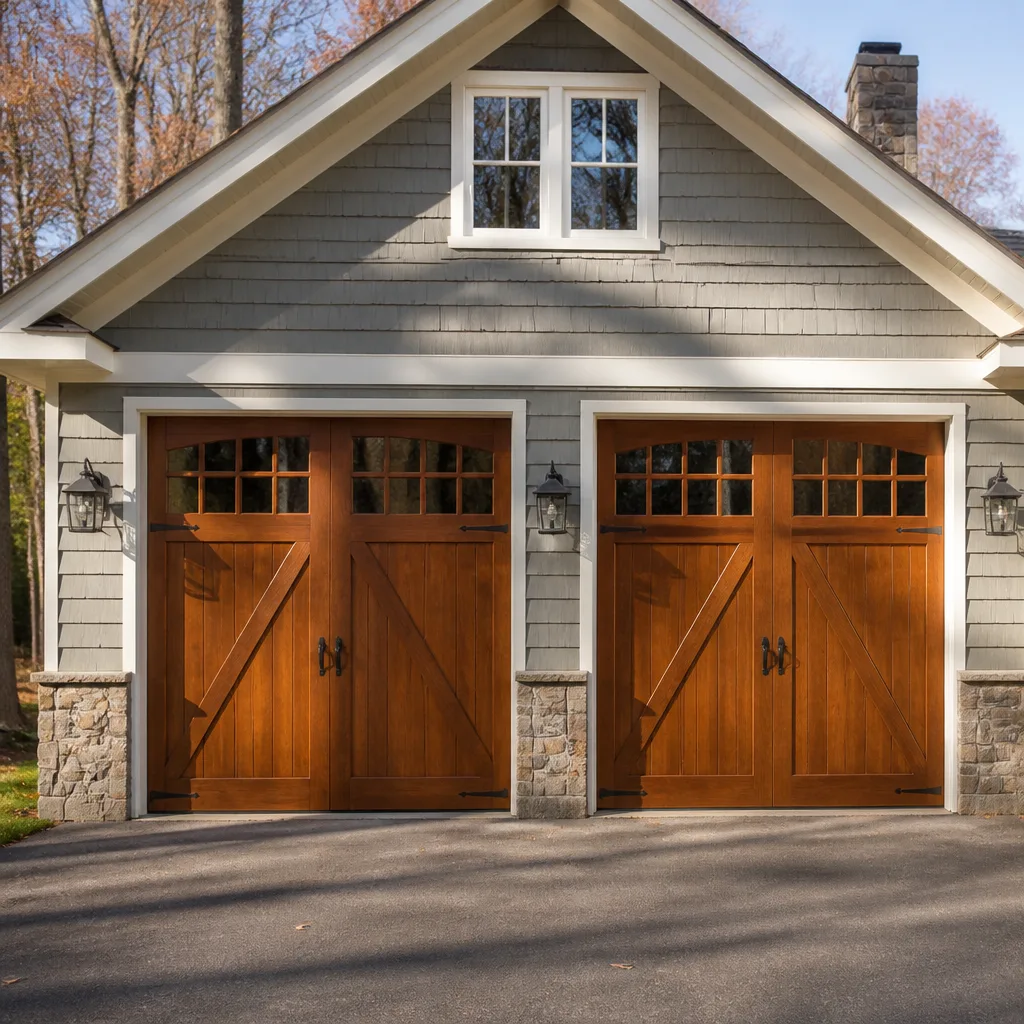 Carriage house
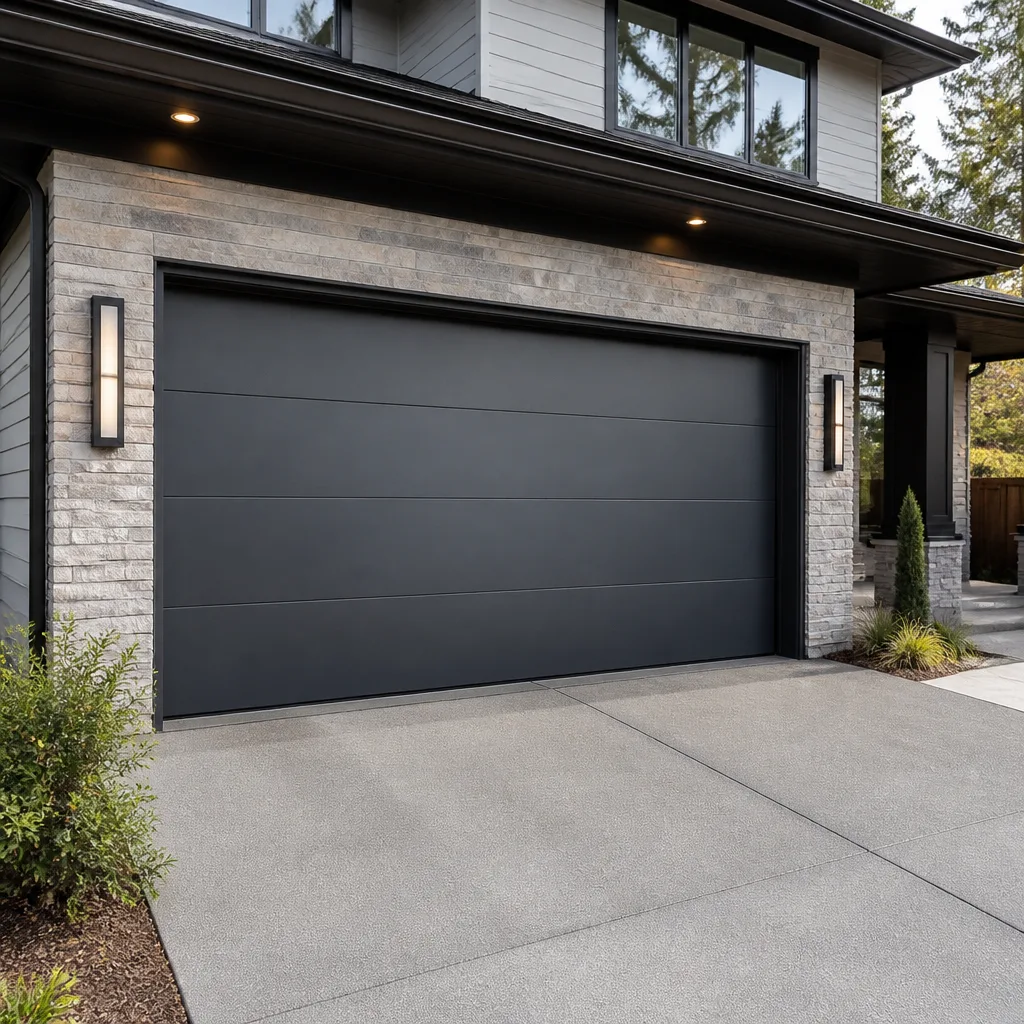 Modern flush
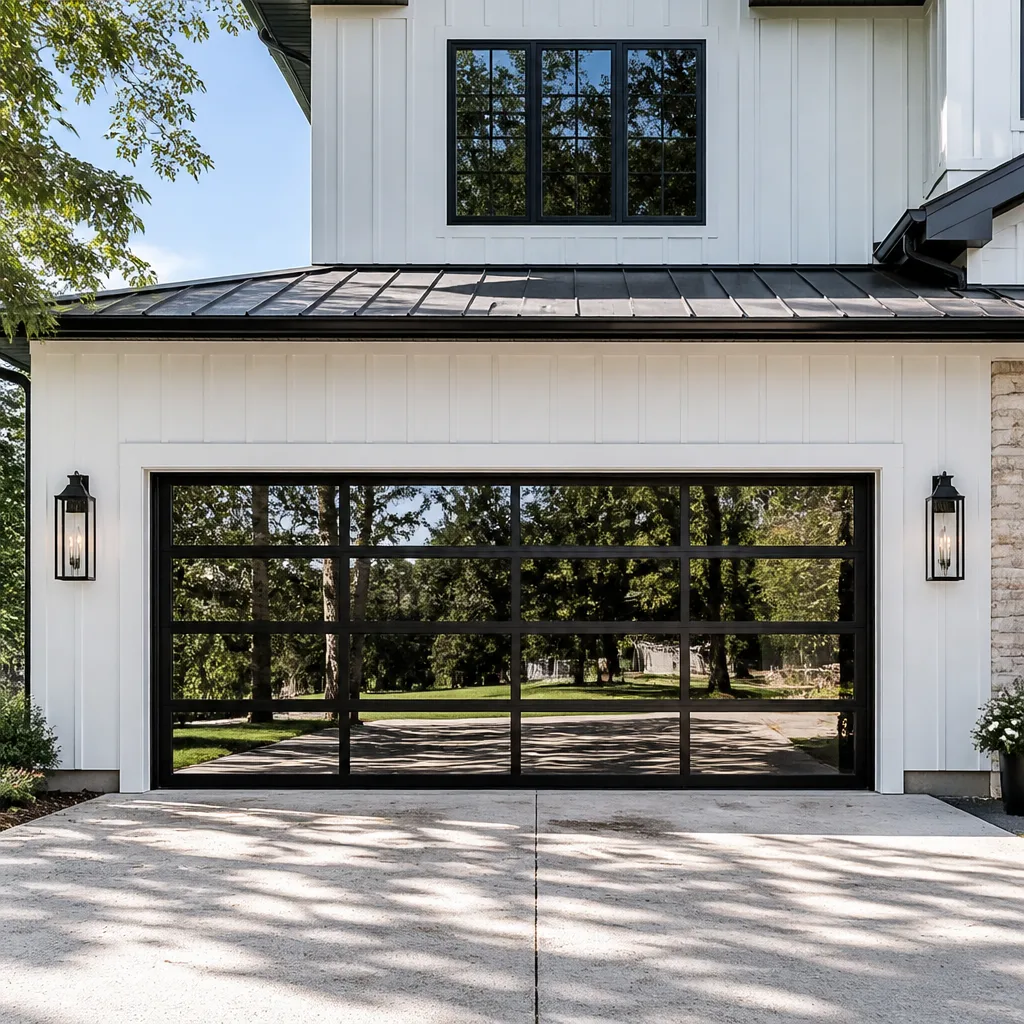 Full-view glass
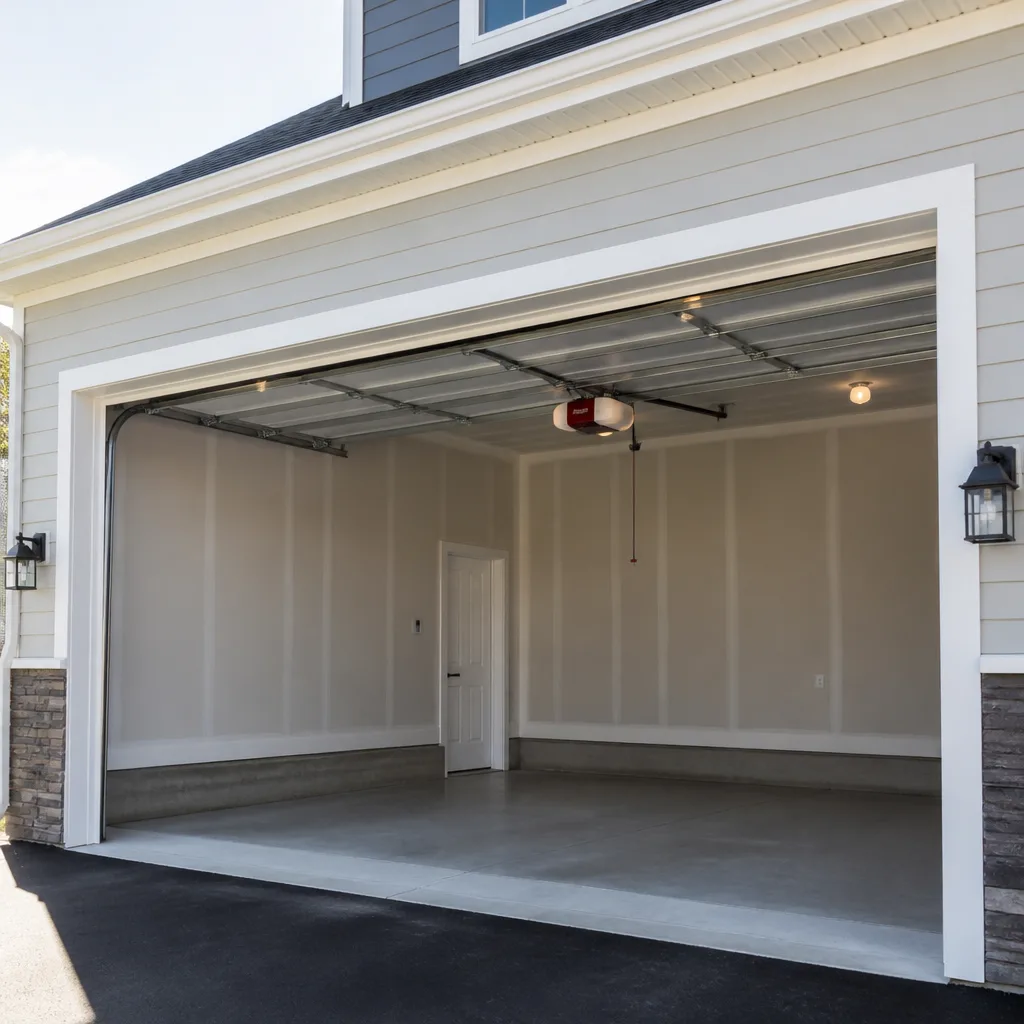 LiftMaster openers
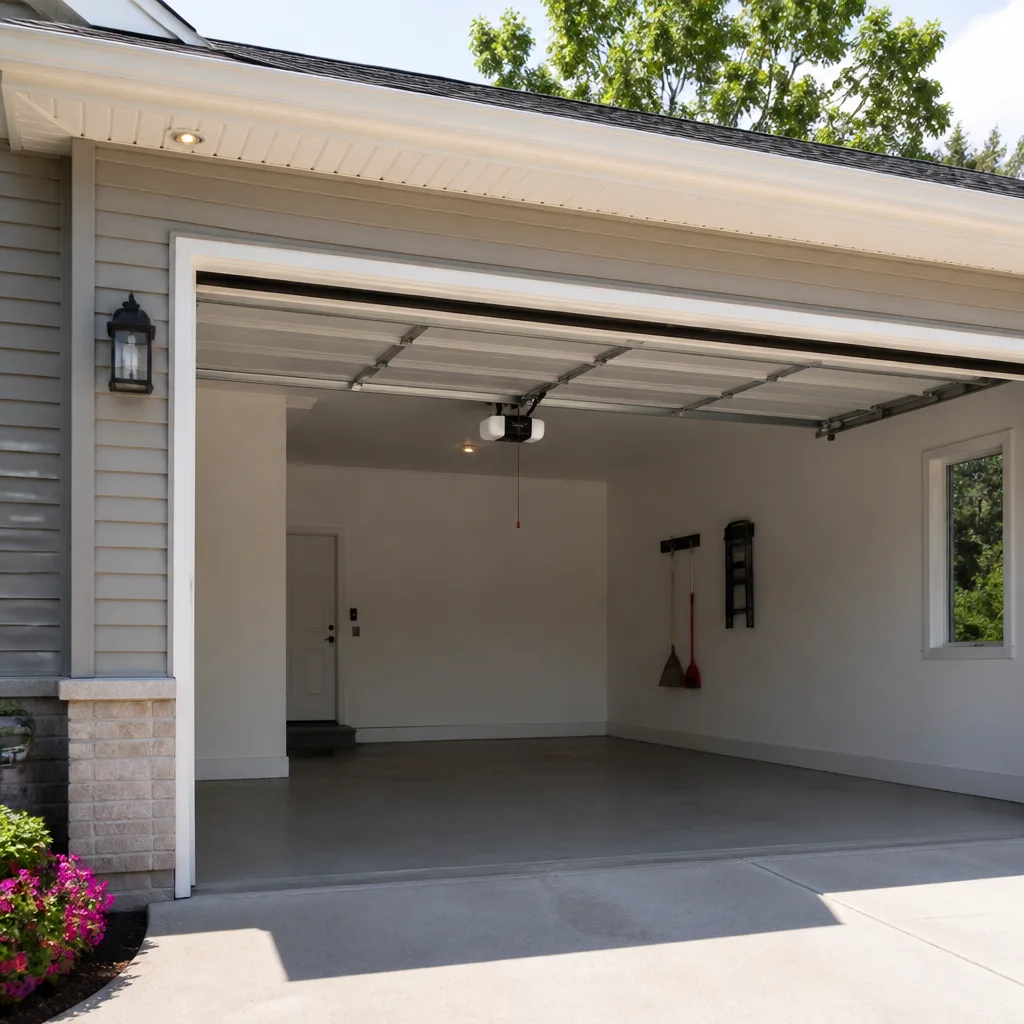 Chamberlain openers
Full 25-point door and opener safety check with every visit - springs, cables, rollers, tracks, and your LiftMaster or Chamberlain opener included
You get a price before we start. It does not change when the pro arrives.
Get your free estimateChoosing the Right Garage Door Brand: A Buyer’s Guide for Somerville
The brand that looks best in a showroom is not always the brand that performs best after five Massachusetts winters. That gap between showroom shine and January reality is where most buyer’s guides stop short. They repeat manufacturer marketing and skip the three things that actually decide whether you’ll be happy with your door: whether parts are stocked locally or shipped from across the country when something fails, how the steel and finish hold up to Somerville‘s freeze-thaw cycles and road salt, and whether the door pairs cleanly with the opener already bolted to your ceiling. In this guide we’ll walk through brand ecosystems, mid-tier pricing, insulation claims, and warranty fine print so you can choose a garage door brand for a Somerville home with your eyes open.
Quick Answer
There’s no single best garage door brand for every Somerville home. The right choice depends on three practical factors: local parts availability (so a broken spring or roller doesn’t leave you waiting a week), steel gauge and finish quality suited to New England weather, and compatibility with the opener system already installed in your garage. For most Somerville homeowners shopping the mid-tier market, Clopay and Amarr dominate on panel availability, while LiftMaster and Chamberlain lead on opener compatibility across brands.
Styles & brands we work with
- Raised-panel steel
- Carriage house
- Modern flush
- Full-view glass
- LiftMaster openers
- Chamberlain openers
Table of Contents
- Why the Brand on Your Panel Matters More Than the Color
- The Parts Ecosystem Test: What Fails in January Stays Broken in January
- Steel Gauge and Finish Quality at the Mid-Tier Price Point
- Insulation R-Value vs. Real-World Performance
- The Opener Brand Compatibility Matrix
- Reading a Brand Warranty Like a Contractor
- A 7-Step Brand Selection Process for Somerville Homeowners
- Common Mistakes to Avoid
- When to Call a Professional
- Frequently Asked Questions
Why the Brand on Your Panel Matters More Than the Color
Homeowners often start shopping for a garage door by picking a color and a window pattern. That’s understandable, and it’s also backward. The color affects curb appeal for the years you own the house. The brand affects everything else: how easily it can be repaired when something wears out, how the opener talks to it, what the warranty actually covers, and how long the finish survives New England seasons.
Somerville’s housing stock makes this especially relevant. Much of the city is dense, older housing where garages were added later or were carved out of carriage houses and alley structures. That means doors, openers, and tracks are often mismatched, and replacement parts have to fit an existing opening rather than a fresh build. When we size up a door in Somerville, the first question is not “what brand do you want” but “what brand will still be serviceable in this opening five years from now.”
Brand fluency matters here because a specialist should not be surprised by any of the systems already installed in Somerville garages. There are eight major residential brands you’ll find in the city’s driveways: LiftMaster, Chamberlain, Genie, Clopay, Amarr, Wayne Dalton, Craftsman, and Raynor. Each has its quirks. Clopay and Amarr dominate the steel sectional door market. Wayne Dalton has models with proprietary torsion systems that behave differently from a standard setup. Raynor has a following among homeowners who want a heavier gauge panel and don’t mind a slightly higher sticker price. LiftMaster, Chamberlain, Genie, and Craftsman cover most of the openers you’ll find on the ceiling.
If a contractor is brand-agnostic on paper but brand-lost in practice, you’ll feel it on the first service call. A dedicated garage door technician should know the difference without a trip to the manual. Here’s what we fix under garage door repair, and what the brand-aware version of that work looks like.
The Parts Ecosystem Test: What Fails in January Stays Broken in January
The single most overlooked factor in brand selection is parts availability. A door brand isn’t just a name on the panel; it’s a supply chain. Replacement springs, rollers, hinges, cables, and panels either sit on a shelf within driving distance or they ship from a warehouse three states away. In January, when a door won’t close and your car is trapped inside, that difference is measured in days, not dollars.
Here’s how to test any brand’s parts ecosystem before you buy:
- Ask where the parts come from. A specialist should be able to tell you in one sentence whether replacement panels for a given brand are stocked regionally or ordered from the factory. If they have to guess, that’s a signal.
- Check spring and roller availability first. Springs and rollers are the parts that fail most often. A brand with a slow parts channel will keep your door out of commission longer, no matter how premium the panel.
- Ask about panel lead times. Cosmetic damage from a minor impact on a driveway or alley approach is common in Somerville’s tighter lots. A panel that takes a week to ship costs you a week of a mismatched or damaged door.
- Look for common-design compatibility. Brands that build to widely shared dimensional standards are usually easier to service. Brands with proprietary torsion systems or nonstandard track spacing create friction when a part needs replacing.
- Confirm the model is still in production. A discontinued model doesn’t become unusable, but replacement panels can become scarcer and more expensive.
In practice, this favors brands with wide dealer networks and broad install bases. Clopay and Amarr, both built around common sectional designs, tend to move through the parts channel faster than niche models. LiftMaster and Chamberlain openers benefit from being present in so many Somerville homes that common wear parts are widely stocked. The upshot is simple: the best brand for your home is usually the one your local specialist can service this week, not the one with the nicest brochure.
Spring availability deserves special mention because a broken torsion spring is one of the few failures that takes a door completely out of service. Our garage door spring repair work is built around the reality that this part has to be measured, matched, and replaced correctly the first time, and that waiting on a slow parts channel is not something Somerville homeowners can afford in a cold snap.
Steel Gauge and Finish Quality at the Mid-Tier Price Point
Most Somerville homeowners shop the mid-tier price point rather than the ultra-premium or builder-grade ends of the market. At that price point, the differences between brands are real but subtle: steel gauge, paint system, panel construction, and hardware quality. You won’t always see the difference in the first year. You’ll see it after several freeze-thaw cycles and a few winters of road salt tracked up the driveway.
Here’s what actually matters, in order:
- Steel gauge. Thicker steel resists denting and holds its shape better through thermal cycling. A 24-gauge door performs very differently from a 25- or 27-gauge door in a dense neighborhood where a bicycle or a trash barrel is occasionally closer than intended.
- Paint and finish. Somerville’s winters do more damage to cheap finishes than most homeowners expect. The combination of freeze-thaw cycles, road salt, and moisture sitting at the bottom seal will eventually attack a thinner finish. A two-sided or three-layer paint system holds up noticeably better than a single-coat finish.
- Bottom seal and weather stripping. In a coastal New England climate with humid summers, the seal at the bottom of the door is where moisture gets in first. It’s cheap to replace but easy to neglect at the factory level. A door with a well-designed seal lasts longer in a Somerville garage.
- Hardware. Hinges, rollers, and track brackets vary in quality across brands. Hardware isn’t the headline feature, but it’s what you’ll be replacing first.
- Panel construction. Some brands use a sandwich panel with an insulating core between two steel skins; others use a single steel skin with a polystyrene backer. The first holds up better and insulates better, at a slightly higher price.
- Roller quality. Nylon rollers outlast steel rollers, and the brand you pick will affect what rollers are compatible.
None of this has to mean buying the most expensive door on the block. It means being deliberate about gauge, finish, and hardware at whatever price you’re shopping. A mid-tier Clopay or Amarr door with a good paint system and nylon rollers will outperform a heavier brand with poor finish and steel rollers, especially in a Somerville garage that sees road salt every winter.
Insulation R-Value vs. Real-World Performance
Advertised R-values are a useful starting point, not a reliable forecast. A door with an R-value of 12 in the showroom will not perform at R-12 after several seasons, because performance depends as much on panel seals, frame fit, and installation quality as on the core material. That gap matters in Somerville, where garage spaces are often attached to living areas and where a drafty door quietly raises heating costs all winter.
How to read insulation claims honestly:
- Check whether the R-value is for the panel or the whole door assembly. Panel-only ratings ignore seams, seals, and the perimeter, which is where most heat loss actually happens.
- Ask what the core material is. Polyurethane cores outperform polystyrene at the same nominal thickness. The difference is real, and it’s usually visible in the price.
- Look at the seal design. A door with a well-designed panel joint seal holds its performance longer. Doors with thin or poorly fitting joints lose R-value quickly as the seals compress.
- Consider the garage’s role. If your Somerville garage is detached and unheated, a full-insulation upgrade may matter more for noise and stability than for energy savings. If it’s attached and shares a wall with living space, insulation pays for itself more clearly.
- Plan for seal maintenance. Even a well-made door needs seal inspection after a few seasons. A brand whose seals are easily replaced is a brand whose R-value holds up longer.
In our experience, the brands with the most honest insulation claims are also the ones with the most straightforward panel-seal replacement parts. That’s not a coincidence. It reflects how the manufacturer expects the door to age. Clopay and Amarr polyurethane-core doors tend to hold their performance well; Wayne Dalton’s insulated models do too, though the proprietary hardware design sometimes narrows your service options. The takeaway is to buy insulation for the whole door, not the panel spec sheet.
The Opener Brand Compatibility Matrix
Most Somerville homes have an opener already on the ceiling. Replacing the door without considering compatibility is one of the most common ways a good door decision turns into a bad experience. The question isn’t just “which opener brand is best,” it’s “will this door brand pair cleanly with the opener I already own.”
Here’s the general pattern across the brands we work on:
- LiftMaster and Chamberlain openers (essentially the same platform) are the most widely installed in the region and generally pair cleanly with LiftMaster, Chamberlain, Clopay, Amarr, Wayne Dalton, Raynor, and Genie-compatible doors. Compatibility friction is rare with these.
- Genie openers work with most sectional doors but sometimes need opener-specific adapters or a replacement rail if the door is heavier than the opener’s rated draw.
- Screw-drive and belt-drive openers have different torque characteristics. Heavier insulated doors may strain older screw-drive openers, even when technically compatible.
- Craftsman openers (older models in particular) are widely present in Somerville but use legacy signal standards. That matters when you pair a new door or a new remote.
- Smart openers (Wi-Fi-connected models from LiftMaster, Chamberlain, and Genie) mostly work well with newer doors, but older doors with heavier springs may need torsion adjustments after installation.
- Proprietary systems (some Wayne Dalton models, some Raynor setups) can create compatibility friction with third-party openers. That’s a serviceability consideration, not a defect.
What to do with this information:
- Identify your current opener brand and model before you choose a door. The label on the motor housing or the wall control usually tells you.
- Ask whether the new door requires a different opener. Sometimes yes, often no. A dedicated garage door technician will tell you honestly.
- If your opener is nearing end of life, replace both together. This is the cleanest way to avoid mismatch.
- If your opener is fine, don’t replace it just to match. Compatibility is about the door weight and signal standard, not the color on the housing.
This is where a single-trade specialist makes a practical difference. Our garage door opener repair work regularly involves matching new doors to existing openers, and the answer is more often “they’ll work together” than you’d think. When it isn’t, we say so before the door is on the truck.
Reading a Brand Warranty Like a Contractor
A warranty is only as valuable as the process for using it. Most garage door brands offer similar headline terms (a multi-year warranty on the door, a shorter warranty on hardware and springs), but the fine print varies enough that it should factor into your brand decision.
What to check:
- What’s covered: Panels, hardware, finish, springs, and labor are usually treated separately. A warranty that covers panels but not finish may not help with the rust-through problem that actually matters in New England.
- What voids coverage: Many brands require professional installation to maintain coverage, especially for torsion springs and opener installation. If your brother-in-law installs the door and a spring fails, the warranty may not pay. Confirm the terms before you decide to DIY.
- What the claim process looks like: Some brands route claims through the dealer; others route them direct. A brand whose claims go through a local specialist who already knows your door is generally more realistic to use than one that requires you to document and ship the failed part.
- Finish warranty length: Finish coverage is one of the most useful parts of a warranty in a coastal climate. A brand with a 3-year finish warranty and one with a 10-year finish warranty are not the same door, even if the panel warranty matches.
- Spring warranty terms: Springs are the most commonly replaced part on any door. A separate spring warranty that’s easy to claim is more valuable than a longer warranty you’ll never actually use.
In practice, Clopay, Amarr, and Raynor tend to have cleaner warranty terms that route through dealer networks and are straightforward to claim. Wayne Dalton terms are solid but vary more by model. Opener warranty terms (LiftMaster, Chamberlain, Genie) are the easiest to claim because the failure modes are more standardized. If the warranty process sounds complicated before you’ve bought the door, it won’t get simpler after.
A 7-Step Brand Selection Process for Somerville Homeowners
Here’s the process we’d walk through with any Somerville homeowner choosing a door brand. It’s the same whether you’re replacing a door in a Spring Hill garage or upgrading a door on a Teele Square carriage house.
- Measure the opening and identify the existing setup. Note the opening width and height, the door weight, the opener brand and model, and any unusual hardware. This baseline determines what fits.
- Decide how long you’ll stay in the house. A homeowner planning to sell in two years should weight cosmetic and mid-tier doors differently than someone planning to stay a decade.
- Test the parts ecosystem for your top two brands. Ask your specialist how quickly springs, rollers, and panels for each brand can be obtained. This is the most underrated step.
- Compare steel gauge and finish, not just color. Bring the two best-fit brands into the same conversation and compare gauge, paint system, and hardware side by side.
- Check insulation honestly. If the garage is attached and unheated, insulation is worth paying for; if detached, it’s about noise and stability more than energy.
- Confirm opener compatibility. Ask directly whether your existing opener carries the new door cleanly, or whether you’ll need to replace or adjust it.
- Read the warranty before you buy. Focus on finish and spring coverage, and confirm what installation requirements you’ll need to meet to keep the warranty valid.
That process takes about an hour of real conversation and saves you from the most common regrets: a door whose parts are hard to find, an opener that can’t lift the new door, or a warranty that turns out to be unreachable when you need it.
Common Mistakes to Avoid
- Choosing by showroom appearance alone. The door that looks best in a showroom may be finished differently than what holds up to five Somerville winters. Ask about the paint system before you decide.
- Ignoring the opener you already have. A well-chosen door on an incompatible opener is a headache waiting to happen. Check compatibility first, not last.
- Assuming R-value on the spec sheet is what you’ll feel. Panel seals and installation quality matter as much as the core material. Buy insulation for the whole door, not the number on the brochure.
- Shopping by brand reputation rather than local serviceability. A premium brand whose parts come from three states away can leave you without a working door for a week. The best brand in Somerville is often the one your specialist can service quickly.
- Overlooking warranty installation requirements. Many brands void coverage if the door isn’t professionally installed. If a spring fails later, the warranty may not help.
- Choosing a heavy door on an older opener. A heavier insulated door on a legacy screw-drive opener can wear out the opener prematurely. Match the door weight to the opener’s rated draw.
- Buying the wrong door for your garage’s actual condition. Older Somerville garages often have narrower openings, uneven tracks, or low headroom. A brand that fits one opening may not fit another.
When to Call a Professional
Some brand decisions are straightforward, and some need a specialist’s eyes on the actual opening. Call a professional when: your existing opener is more than a few years old and you’re not sure it can handle a heavier door; you’re replacing a torsion-spring system and want the new door to pair cleanly; your garage has unusual dimensions, uneven tracks, or a legacy brand whose parts availability is unclear; you’re dealing with a stuck door that needs emergency attention; or you want an honest side-by-side comparison of two brands at the same price point.
Somerville Garage Door Repair Co offers free estimates in Somerville. Call (877) 330-6542 and we’ll walk through your door, your opener, and the brands that make sense for your garage.
One safety note before we close this section: do not attempt to adjust or replace torsion springs yourself. The spring system on any door stores enough energy to cause serious injury, and it’s the part of the door where brand differences matter most and safety stakes are highest. Leave spring work to a trained professional. If your door fails, our emergency service is genuinely available because when your door won’t move, neither should you have to wait.
Frequently Asked Questions
There isn’t one answer, but for most Somerville homeowners shopping the mid-tier market, Clopay and Amarr are the most common choices because their parts are widely stocked and their steel and finish systems hold up to New England weather. If opener compatibility is your main concern, LiftMaster and Chamberlain dominate. Call (877) 330-6542 for an exact side-by-side quote; estimates are free.
We work on all eight major residential garage door and opener brands found in Somerville homes: LiftMaster, Chamberlain, Genie, Clopay, Amarr, Wayne Dalton, Craftsman, and Raynor. That includes repair, opener work, spring repair, and new installation. You’re unlikely to hear us say we can’t service your brand.
Mid-tier insulated steel doors generally run in the $800 to $1,800 range depending on size, insulation, hardware, and finish. Installation is quoted separately based on the opening and any required modifications. The written estimate sets the final price. Call (877) 330-6542 for a free measurement and quote.
Usually no. Most modern sectional doors pair cleanly with LiftMaster, Chamberlain, Genie, and Craftsman openers, which cover most of the openers already installed in Somerville homes. The exceptions involve heavier insulated doors on older screw-drive openers, or proprietary door systems that need specific hardware. We’ll tell you before installation whether your opener needs replacement.
Clopay, Amarr, and Raynor generally route warranty claims through dealer networks and are the most straightforward to claim in practice. Wayne Dalton’s terms are solid but vary more by model. Opener warranties from LiftMaster, Chamberlain, and Genie tend to be the easiest because the failure modes are standardized. Call (877) 330-6542 for an exact reading of a warranty before you buy.
Yes. Spring repair is one of our named services, and it’s the repair that most demands brand fluency because spring size, wire gauge, and cycle life differ across brands and door weights. We measure and match every spring to your door. Do not attempt spring work yourself; the stored energy in a torsion spring makes it one of the most dangerous components on the door. Call (877) 330-6542 for a free estimate.
See the difference
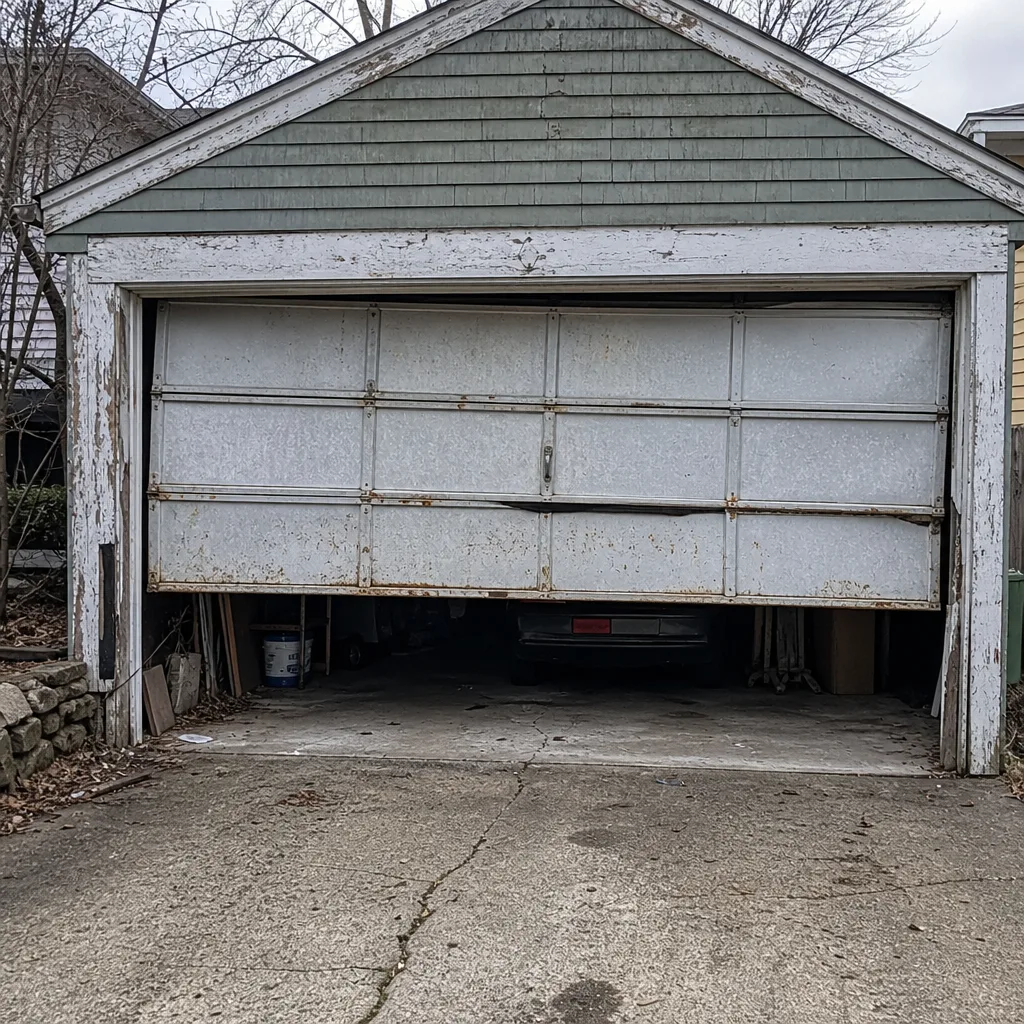 Before
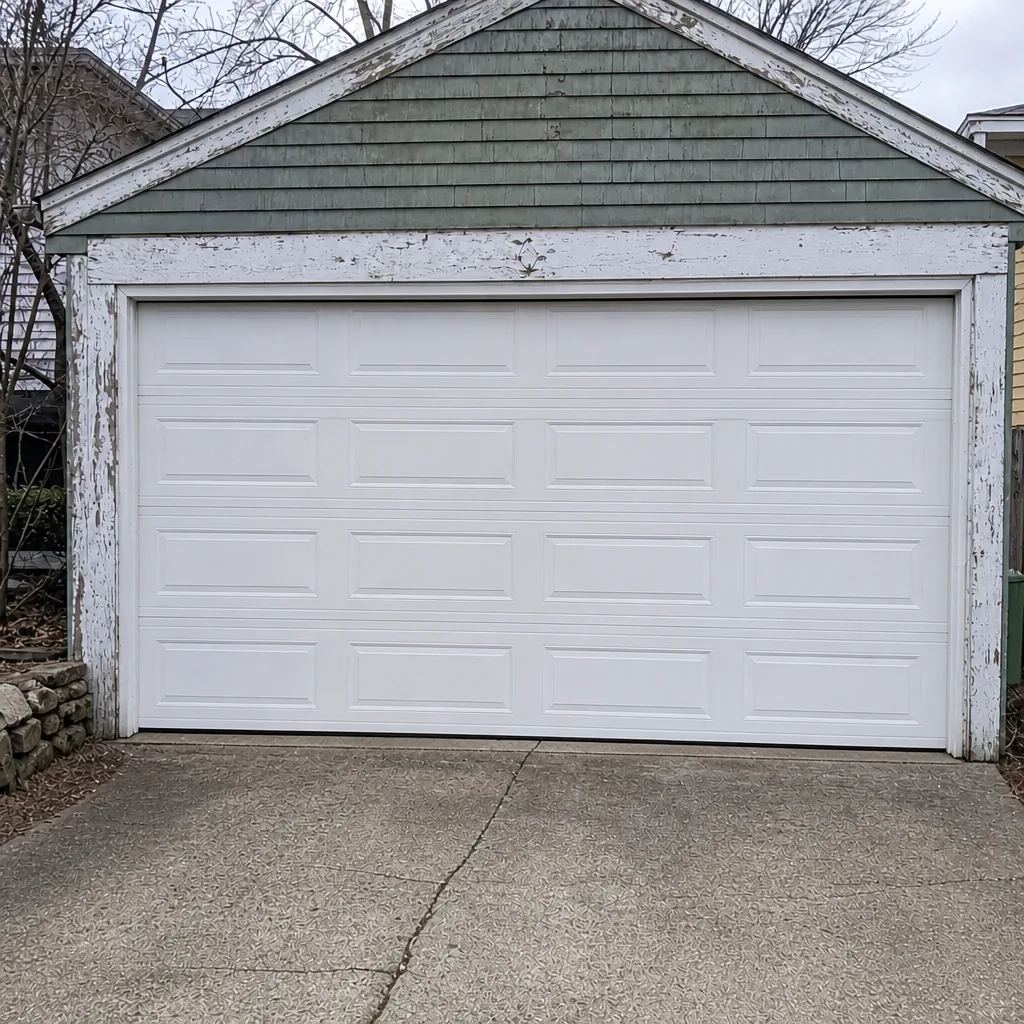 After
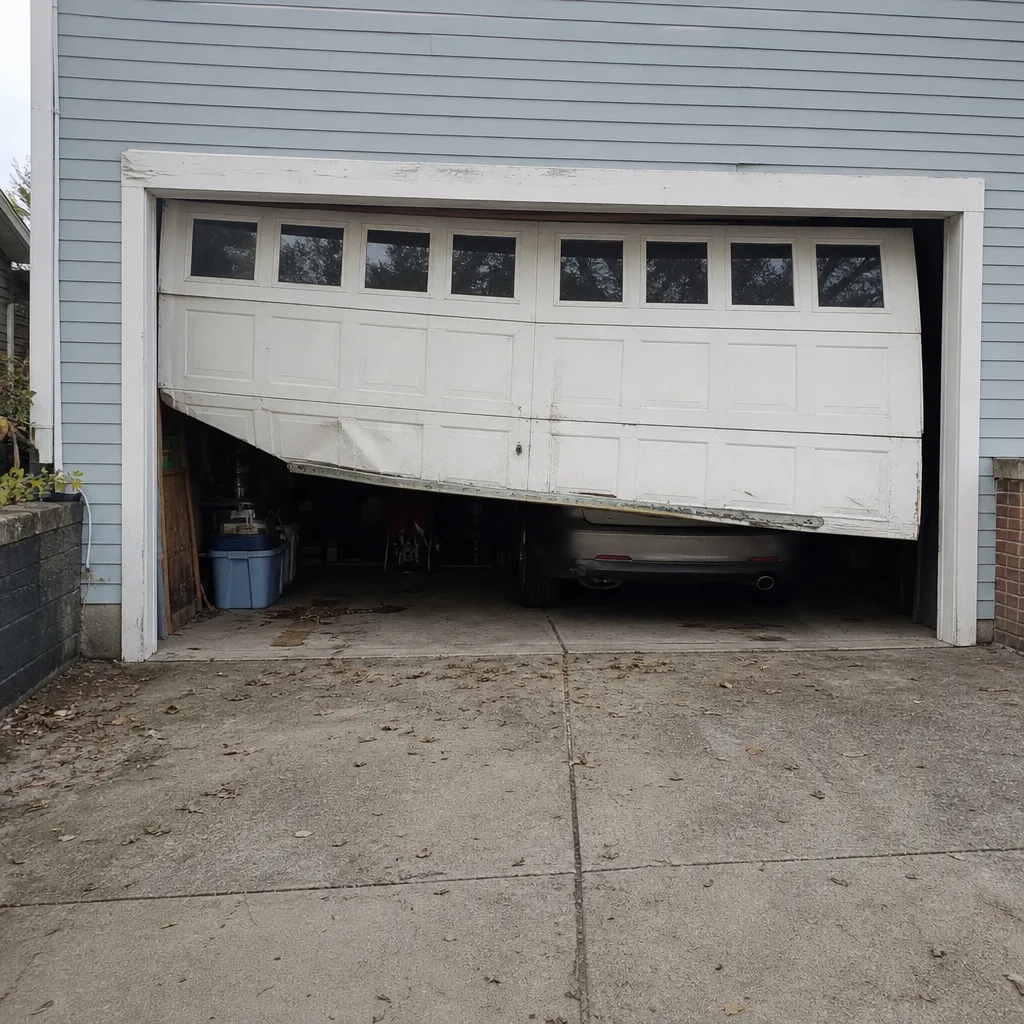 Before
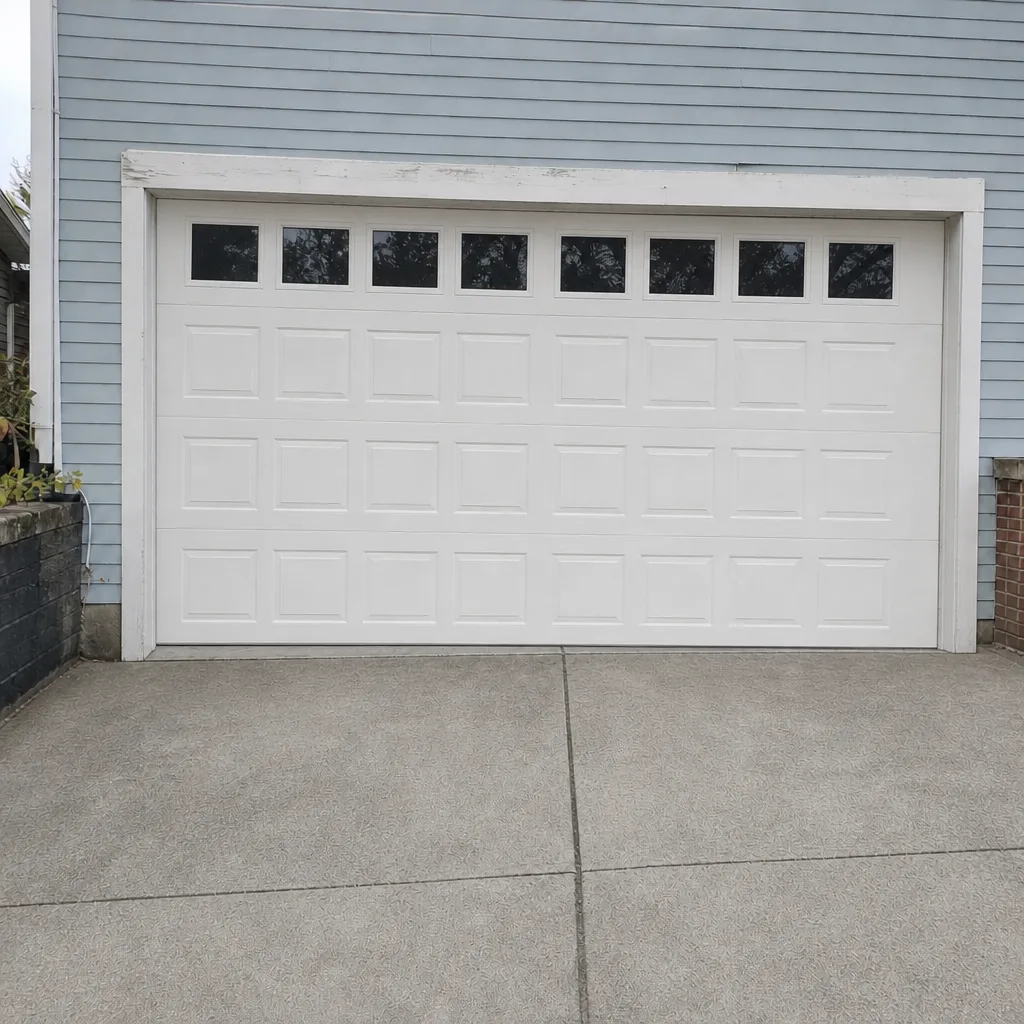 After
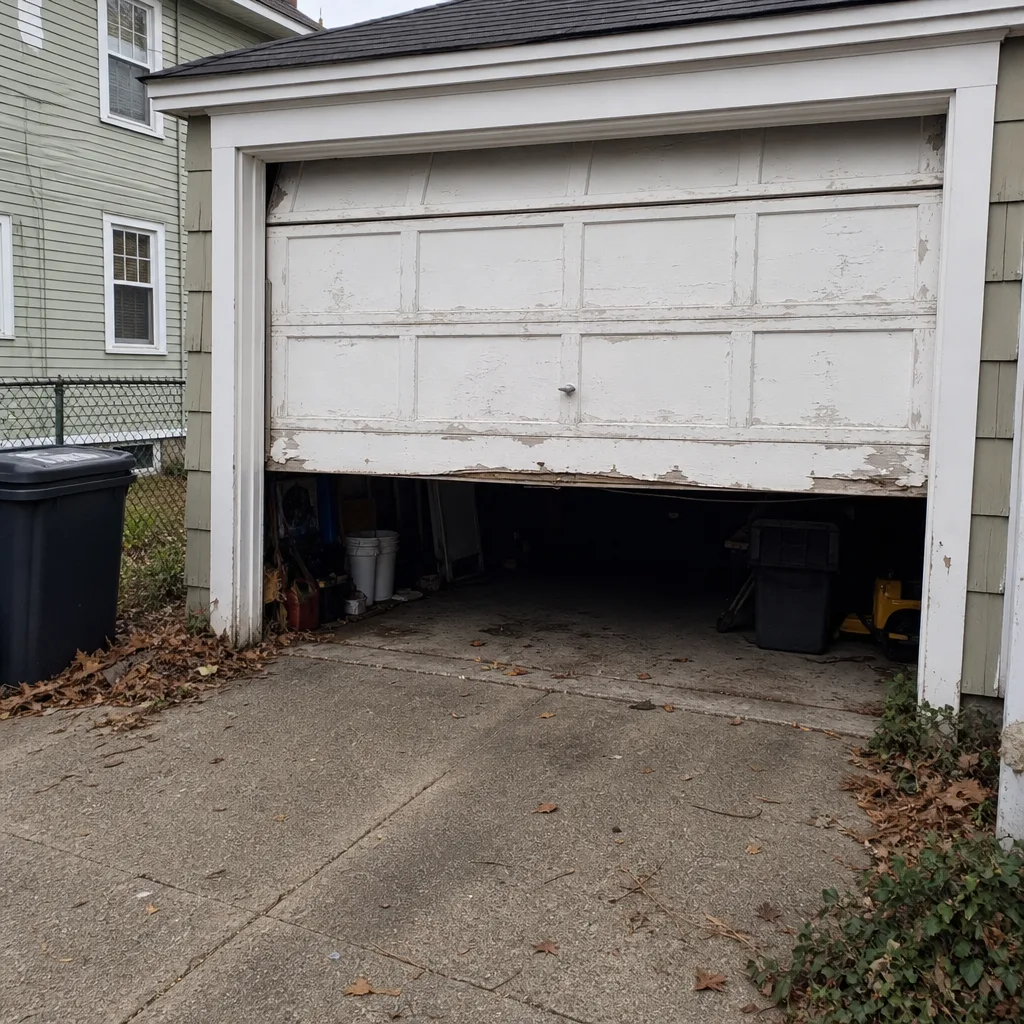 Before
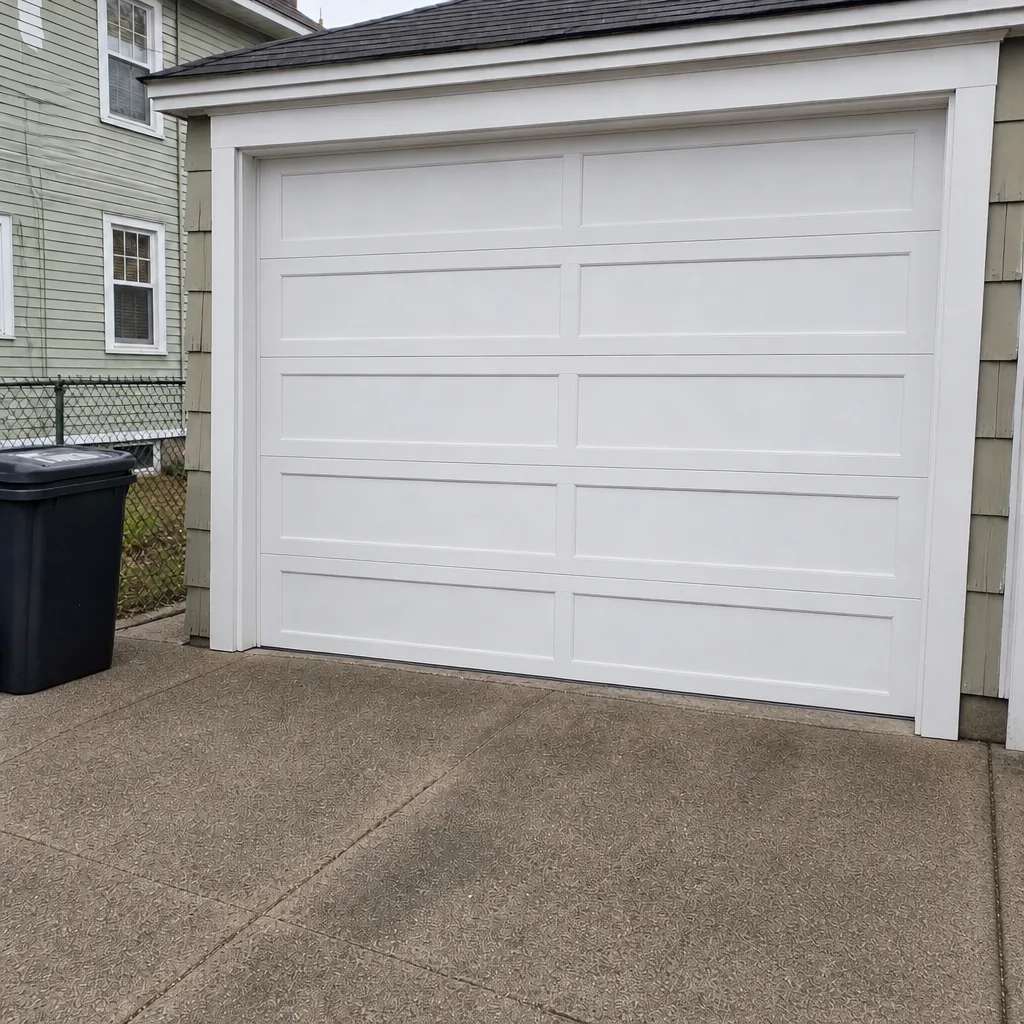 After
Are the technicians licensed and insured?
The local professionals we connect you with are licensed and insured as the state requires for garage door work. We don’t name a policy or license number because those details change and should be confirmed for your specific job. Call (877) 330-6542 and ask for the current documentation before work starts.
Will the price change once you’ve seen the door?
No. The written estimate sets the price, and the estimate is quoted and agreed before any work starts. If the door turns out to need more than originally assessed, we’ll tell you before doing the work, not after. Estimates are free. Call (877) 330-6542 for an exact quote.
The Bottom Line
The right garage door brand for a Somerville home is the one whose parts your local specialist can get quickly, whose steel and finish hold up to New England weather, whose insulation claims are honest, and whose warranty is worth using. That usually points to Clopay or Amarr for the door itself and LiftMaster or Chamberlain for the opener, but the specific answer depends on your opening, your existing setup, and your budget. Test the parts ecosystem first. Read the warranty before you buy. Confirm opener compatibility early. And remember that the door you’re choosing is also a system, which means the brand on the panel matters less than the service behind it. Our technicians have up to 12 years of experience working on every major brand that shows up in Somerville garages. Call (877) 330-6542 for a free estimate, and we’ll size up your opening, your opener, and the brands that fit.
If you’re starting from scratch or dealing with a door that needs attention now, our Somerville Garage Door Repair Co team can walk you through a full diagnostic and quote, and you can compare brands side by side before you commit.
Written by the team at Somerville Garage Door Repair Co.