Last updated November 23, 2026
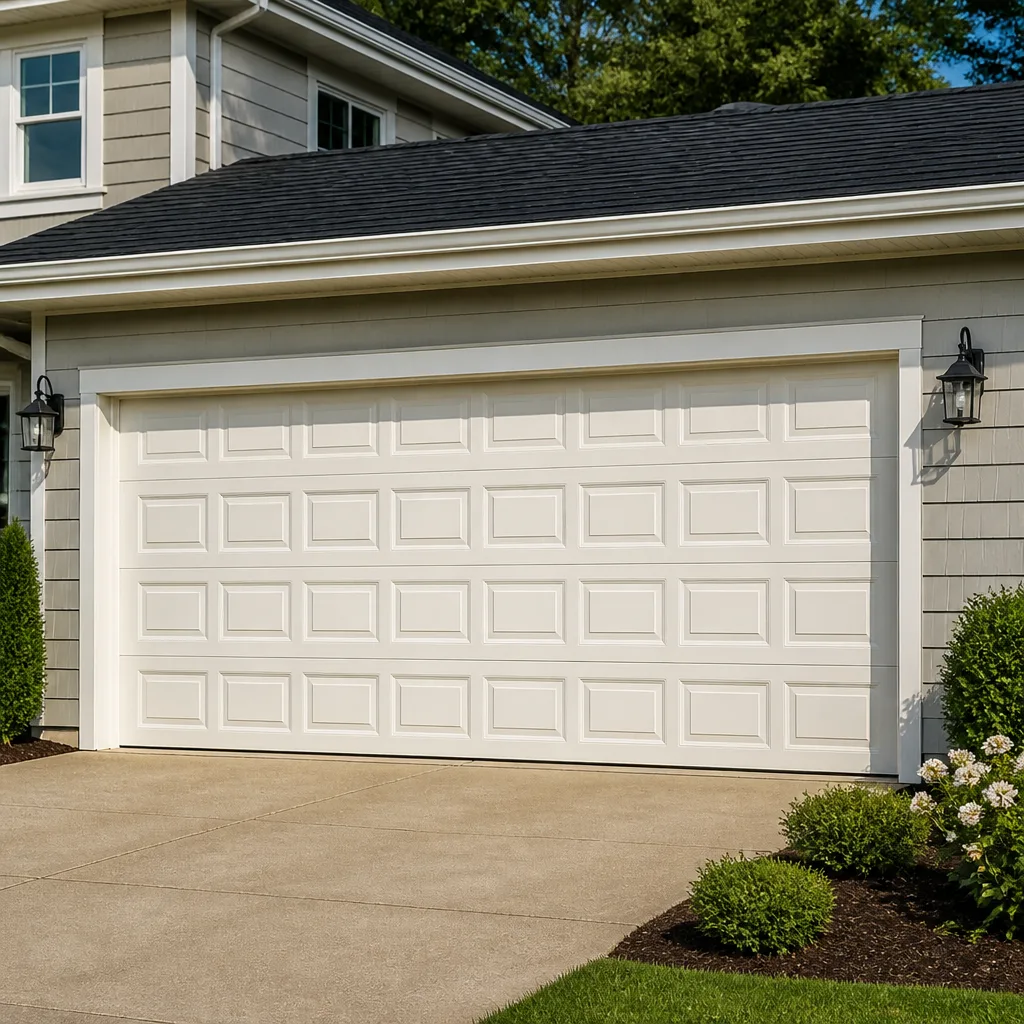 Raised-panel steel
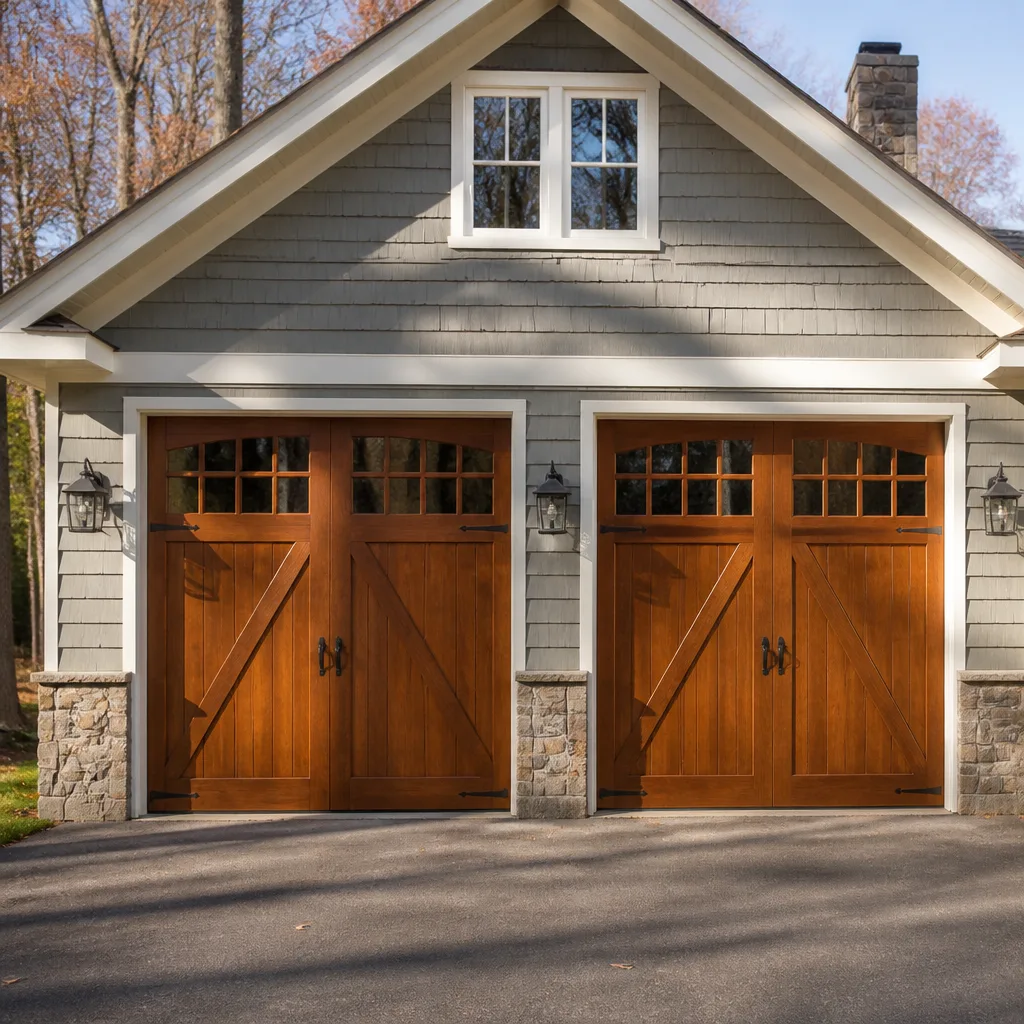 Carriage house
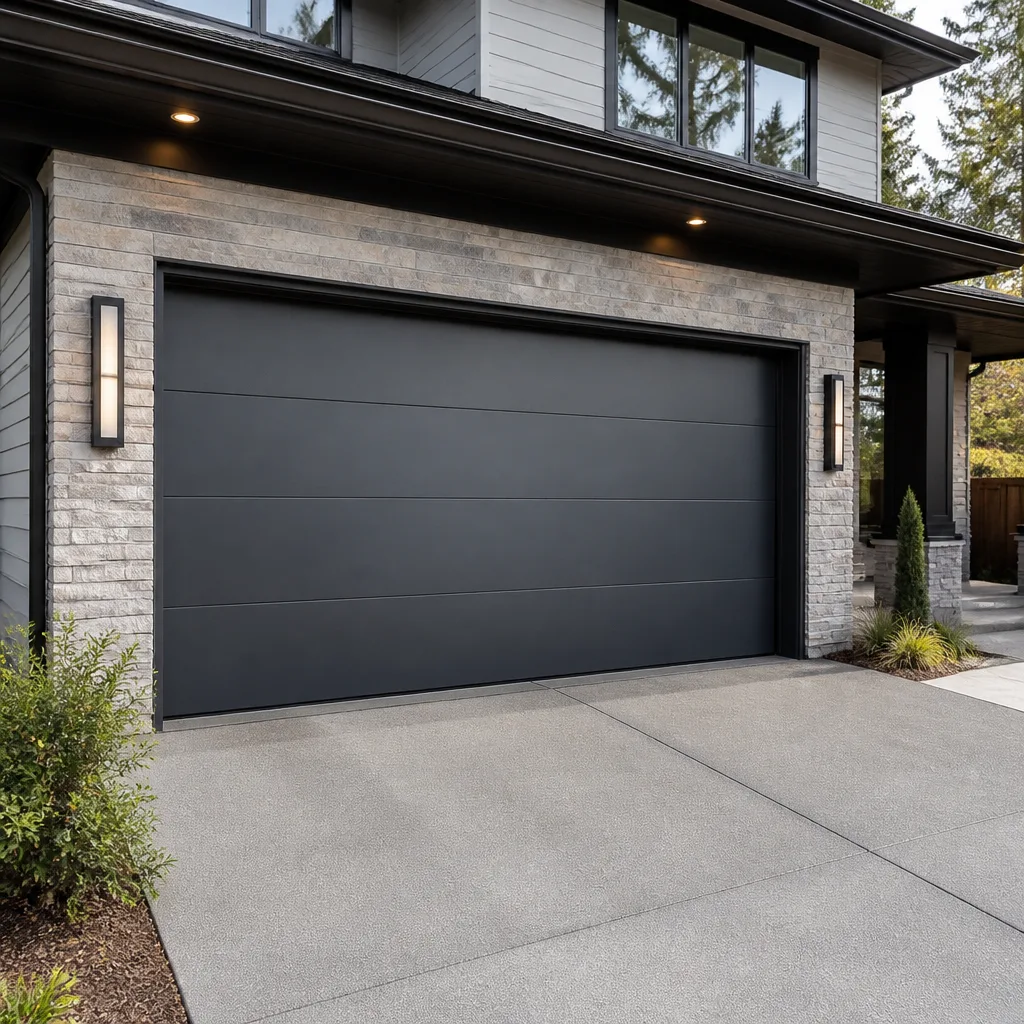 Modern flush
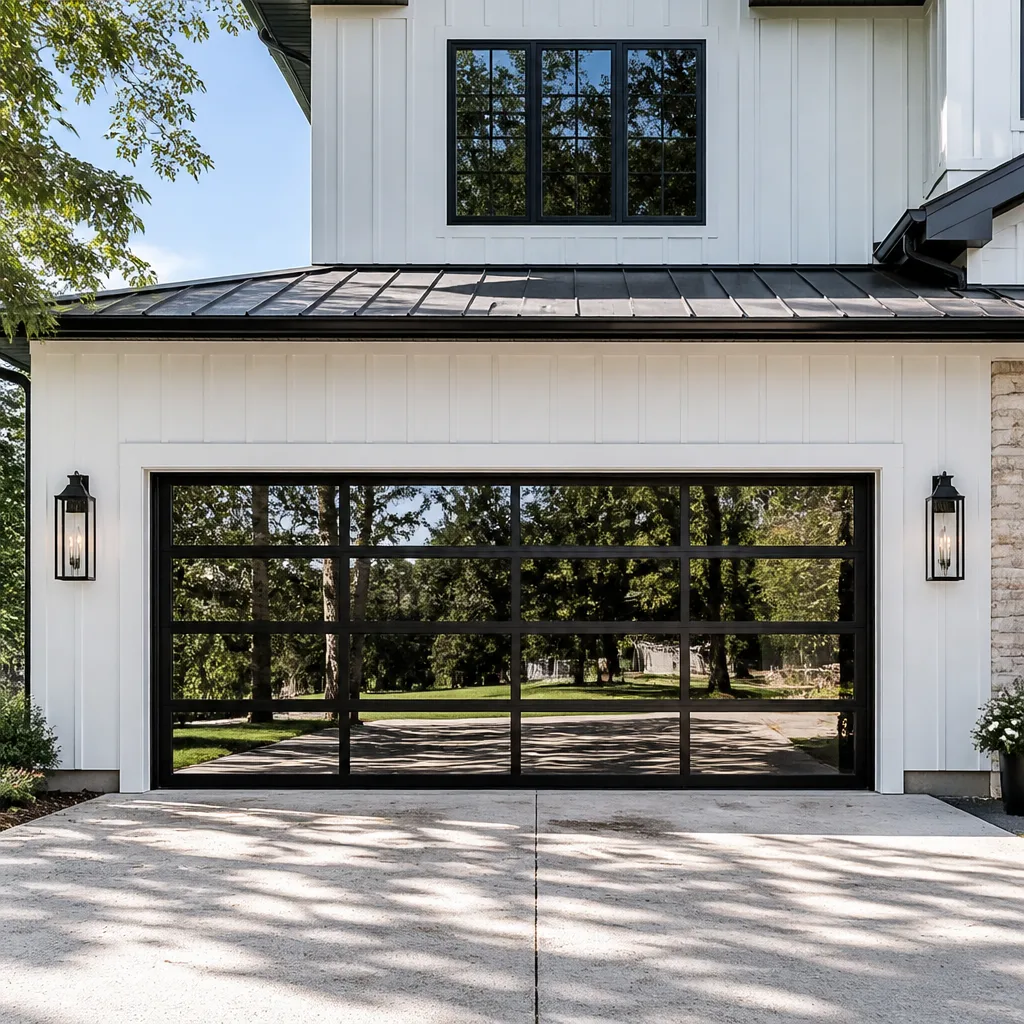 Full-view glass
 LiftMaster openers
 Chamberlain openers
Full 25-point door and opener safety check with every visit - springs, cables, rollers, tracks, and your LiftMaster or Chamberlain opener included
You get a price before we start. It does not change when the pro arrives.
Get your free estimateSeasonal Garage Door Care for Somerville: Year-Round Homeowner’s Guide
February is when Somerville garage doors fail most often, but the damage that causes those failures starts in November. That’s the part most seasonal checklists miss. “Winterize your garage door” advice is written for a generic climate, and Somerville isn’t generic. A dense city with an urban heat island, harbor humidity, and road salt tracked off Route 28 and McGrath Highway puts specific stresses on specific parts of your door, in a predictable order. This guide maps those seasonal stress points to the components they attack, so your maintenance effort lands where it actually prevents failures, and you know when to make a call for garage door repair.
Quick Answer
In Somerville, MA, the highest-value garage door maintenance happens in November (before the first hard freeze) and again in March (as freeze-thaw cycles peak), not in spring cleaning season. The three components that fail most in this climate are the bottom seal, the torsion springs, and the rollers – and summer humidity quietly degrades wood sections and weather seals that get no attention at all.
Styles & brands we work with
- Raised-panel steel
- Carriage house
- Modern flush
- Full-view glass
- LiftMaster openers
- Chamberlain openers
Table of Contents
- Why Somerville’s Microclimate Is Harder on Garage Doors
- The November Prep Sequence That Prevents February Failures
- March and April: The Freeze-Thaw Window and Cable Failures
- Summer Humidity: Wood Sections, Seals, and Opener Sensitivity
- Road Salt Season: What January Does to Your Hardware
- The One-Page Somerville Seasonal Calendar
- Older Doors, Mixed Brands, and What We See on Somerville Homes
- Common Mistakes to Avoid
Why Somerville’s Microclimate Is Harder on Garage Doors
Somerville sits in a pocket of conditions that differs meaningfully from suburbs 20 miles out. The city is built tight: brick, asphalt, and low tree canopy across much of it hold heat and slow the cooling that rural areas get after sunset. In winter that cuts both ways. Days can warm enough to thaw the ice packed into your bottom seal, then nights drop well below freezing and refreeze it. That repeated thaw-and-refreeze cycle is what destroys seals over a single season, and it happens more often in Somerville than in towns where the temperature stays consistently cold once winter sets in.
Harbor humidity is the other half of the story. Somerville’s summers run humid, and that moisture doesn’t just sit in the air – it works into the wood sections of older doors, compresses weather seals, and changes how freely your rollers and hinges move. A door that runs smoothly in April can feel sticky and sluggish by August, and most homeowners blame the opener when the real problem is swollen wood and dry, gummy hinges.
Then there’s road salt. Route 28 and McGrath Highway both feed traffic through the city, and winter salt tracked onto driveways and into garages lands on bottom brackets, hinges, track sections, and the lower panel. Left alone, it’s a slow corrosion problem that shortens the life of hardware that would otherwise last far longer.
Put together, these three forces – urban freeze-thaw cycles, summer humidity, and winter salt – hit the same handful of components from different directions across the year. That’s why a generic seasonal checklist falls short. The effort has to follow the climate.
The November Prep Sequence That Prevents February Failures
The failure pattern we see on Somerville doors in February follows from three things that go wrong in November and December: frozen bottom seals that tear when the door cycles, contracted spring tension that overloads the opener, and stiff rollers that force the whole system to work harder than it should. The fix is a short prep sequence done before the first hard freeze. You don’t need to do all of it yourself – some steps are inspection only, and some belong with a trained technician.
- Inspect and treat the bottom seal. Look for cracks, flattening, or gaps where the rubber meets the floor. A seal in good shape keeps out cold air, snowmelt, and salt; a failing one lets water freeze under the door and tear the seal further with every cycle. Clean it, check that it sits flush, and note whether it’s due for replacement before winter.
- Lubricate rollers, hinges, and springs with a proper garage door lubricant. Not WD-40 and not motor oil. A garage-door-specific lubricant keeps the metal free-moving when temperatures drop and displaces moisture before it freezes in the joints.
- Balance-test the door. Disconnect the opener and lift the door halfway by hand. It should stay put. If it drops or rises on its own, the springs are out of balance, and that imbalance gets worse as cold contracts the metal. Balancing or replacing springs is a job for a trained technician – torsion springs are under extreme tension and can cause serious injury if handled wrong.
- Check the weatherstripping around the frame. Side and top trim seals dry out and pull away over summer. Re-seat or replace them before cold air and snow get behind the door.
- Test the opener’s safety reverse. Place a piece of wood flat on the floor in the door’s path and close the door. It should reverse on contact. Do the same with the photo-eye test by blocking the sensors. A stale safety setting is a real hazard all winter.
- Clear the tracks and check alignment. Salt grit and debris collect in the track channels. Wipe them out and confirm the door runs without rubbing or squealing.
If the balance test fails or the springs look worn or corroded, that’s the moment to get ahead of the February rush. Our garage door spring repair work is the most safety-critical thing we do, and it’s far easier to schedule in November than to deal with a snapped spring on a morning when you can’t get the car out.
March and April: The Freeze-Thaw Window and Cable Failures
March and April produce more cable failures on Somerville doors than any other period of the year. That surprises homeowners who assume winter is the worst of it. The reason is simple: by March the door has been through months of cycling in cold, and the cables have been stressed every time the door opened and closed. Then comes the freeze-thaw cycle. Cables contract in cold and relax as the door warms, and the fittings and drums at the ends of the cables take the brunt of that back-and-forth. It’s the accumulated fatigue, not a single cold snap, that finally breaks one.
What to inspect before you stop worrying about winter:
- Cables on both sides. Look for fraying, kinks, or slack. Never put your hands near a cable under tension – a failing cable can snap with serious force. Visual inspection only.
- The bottom seal again. After a winter of freeze-thaw, seals that survived November may now be torn or hanging loose. This is the second-most common replacement in the spring.
- Rollers. Spring is when stiff rollers from winter reveal themselves as squealing or grinding. If the door sounds different than it did in the fall, the rollers or hinges need attention.
- Track alignment. Winter ground movement is small in Somerville, but the door frame can shift slightly, and misaligned track makes the whole system drag.
- Opener force settings. Cold-thickened lubricant and stiff hardware can trip the opener’s safety reverse in March. If the door reverses for no obvious reason, the opener force setting or the limit switch needs adjustment – see our garage door opener repair page for what that involves.
One inspection in late March catches almost all of this before it turns into a failure in April. The point of spring maintenance isn’t to do heavy repairs. It’s to confirm the system came through winter intact and to catch the cable that’s about to go.
Summer Humidity: Wood Sections, Seals, and Opener Sensitivity
Summer is the season most homeowners skip maintenance entirely. The door works, so why bother? The problem is that July and August humidity does its damage invisibly. Wood door sections absorb moisture and swell slightly, which is enough to change how freely the door travels in its tracks and to put pressure on hinges and rollers. Weather seals compress and take a set, and once they’ve flattened, they don’t bounce back in the fall. And the opener’s sensitivity settings, tuned in a dry spring, can start tripping the safety reverse as the door’s travel gets tighter in humid air.
What to check in the summer:
- Wood sections on older doors. Look for paint lifting, soft spots, or a door that feels heavier than it did in spring. Swelling wood stresses hinges, and untreated sections can start to rot from trapped moisture. Clopay and Amarr wood-look doors hold up well when maintained, but they do need attention in humid summers.
- Weather seal compression. Run your hand along the bottom seal and side trim. If it’s flattened or hard, it won’t seal against cold air in winter. Replacing it in summer is easier than in the middle of a January cold snap.
- Opener sensitivity and force settings. If the door reverses unexpectedly or struggles to close fully in humid weather, the opener may need a small adjustment. That’s a normal seasonal tune-up, not a sign the opener is failing – but it also shouldn’t be ignored, because a door that won’t close is a security problem.
- Hardware lubrication. Summer heat thins lubricant and it can dry out. A light re-application on hinges and rollers keeps things moving.
- Photo-eye alignment. Summer sun angles can confuse older sensors. Wipe the lenses and confirm the door reverses when the eye is blocked.
Older doors with mixed-brand components – a Wayne Dalton door with a Craftsman opener, say – often reveal their age in summer humidity first. That’s when we get the most calls from Somerville homeowners whose door suddenly won’t close reliably. A dedicated garage door technician can usually tell within minutes whether it’s the door, the hardware, or the opener.
Road Salt Season: What January Does to Your Hardware
Somerville’s winter road salt doesn’t stay on the road. Cars track it onto driveways and into garages, and it lands on exactly the parts of your door that corrode fastest: bottom brackets, hinges, the lower track, and the bottom panel. Once salt gets a foothold, corrosion eats into the metal and shortens the life of hardware that would otherwise keep working for years.
The single highest-value habit for January and February is rinsing the door’s lower hardware with plain water when the weather allows. A quick rinse that flushes salt off the bottom brackets, hinges, and tracks before it dries and sets does more for hardware life than almost anything else. Follow it up with a light application of garage door lubricant on hinges and rollers to displace moisture and give the metal a protective film. Avoid pressure-washing directly into the opener or the spring assembly. Those parts don’t respond well to water forced into them.
Also worth a look in January: the bottom seal. Road salt and grit accumulate against it, and when the door lifts, that grit grinds into the rubber. A seal that’s clean and intact lasts longer and seals better against cold air. If the seal is already worn, replacing it before the worst of the cold is cheaper and easier than doing it in February when the door is failing for other reasons.
The salt season also affects how the door sounds. Grit in the track and corrosion on the rollers create a grinding noise that homeowners notice on cold mornings. That noise isn’t cosmetic – it’s the system working harder. Clean and lubricate, and if the noise persists, get it checked. Our technicians have up to 12 years of experience, and much of that experience is with exactly this kind of winter wear on older Somerville homes.
The One-Page Somerville Seasonal Calendar
Most seasonal care advice is organized by the calendar. The better approach for Somerville is to organize by weather events, because that’s what actually drives failures. Here’s the sequence we’d suggest, tied to the events that matter rather than to quarters:
- Before the first hard freeze (typically November): Full prep sequence – bottom seal inspection, lubrication, balance test, frame weatherstripping, opener safety reverse test, track cleaning. This is the single most important maintenance window of the year in Somerville.
- First week of sustained cold (December): Test the door’s operation on the coldest morning. If anything sounds different, address it now. Springs contract and seals stiffen, and problems that start in December get worse through January.
- January and February (salt season): Rinse lower hardware when weather allows. Watch for grinding noises, stiff rollers, and a door that feels heavy. This is peak failure season, and if the door stops working, Somerville Garage Door Repair Co offers emergency service when the door won’t move.
- Late March (thaw window): Fiber-optic-level inspection of cables, seal, rollers, and track. Cables are the top failure risk in March and April, and a visual check catches most of them before they snap.
- May (post-thaw tune-up): Lubricate hardware, confirm the opener’s force settings, and check the photo eyes. This is a light tune-up, not a heavy maintenance visit.
- July and August (peak humidity): Inspect wood sections and weather seals. Adjust opener sensitivity if the door reverses unexpectedly. Replace flattened seals so they’re ready for winter.
- October (prep for the first freeze): This is the last comfortable window to schedule installation, spring work, or a door replacement before winter. New doors are measured and ordered, so planning ahead avoids waiting in the cold.
That’s the whole calendar. Notice it isn’t four equal quarters. November and March get the most attention because those are the transitions where the climate stresses the door hardest, and the salt season gets an ongoing habit rather than a single visit.
Older Doors, Mixed Brands, and What We See on Somerville Homes
Somerville’s housing stock includes a lot of older homes with garage doors that have been updated piecemeal over the years. A door installation from one manufacturer paired with an opener from another, and a set of hardware that’s a mix of original and replacement parts. That’s normal here, and it’s why “we don’t work on that brand” is a sentence our customers rarely hear from us.
We work on the full landscape of major residential brands already in Somerville homes – LiftMaster, Chamberlain, Genie, Clopay, Amarr, Wayne Dalton, Craftsman, and Raynor – and on the doors and openers in between. Whether you’ve got a Clopay steel door with a LiftMaster opener or an older Wayne Dalton with a Craftsman chain drive, a dedicated garage door technician can diagnose the seasonal failure without needing a second company for the opener, the springs, or the door itself.
When a door reaches the end of its life, we also handle installation, so the same team that’s been doing the seasonal maintenance can size and install the replacement. On a Somerville lot with a tight driveway or low headroom, that measure-first step matters more than it does in a suburb, because the fit has to be right to work at all.
Common Mistakes to Avoid
- Treating November as “just rake the leaves” season. It’s the most important garage door maintenance month in Somerville. Skipping the prep sequence is the single biggest reason doors fail in February.
- Using WD-40 or motor oil on the rollers and hinges. Neither is a garage door lubricant. Both attract grit, and the grit grinds the moving parts faster than dry metal would. Use a proper garage door lubricant.
- Ignoring the balance test. A door that won’t stay put halfway up has out-of-balance springs. That gets worse in cold weather and puts extra strain on the opener. Don’t adjust springs yourself – the torsion springs are under extreme tension and can cause serious injury. Get a trained technician to check them.
- Skipping summer maintenance because the door “works fine.” July humidity is when wood sections swell and seals take a set. Those problems show up in October, when it’s much harder to schedule a fix.
- Not rinsing salt off the lower hardware. Salt tracked in from Route 28 and McGrath Highway corrodes hinges, brackets, and track. A quick rinse is far less work than replacing corroded components.
- Assuming a sticky door means a failing opener. In humid Somerville summers, the door is often the cause, not the opener. Get it diagnosed before spending money on an opener.
- Waiting until spring to order a new door. Installation is measured and scheduled, and the fall window is the practical time to order before winter. Leaving it too late means a longer wait.
See the difference
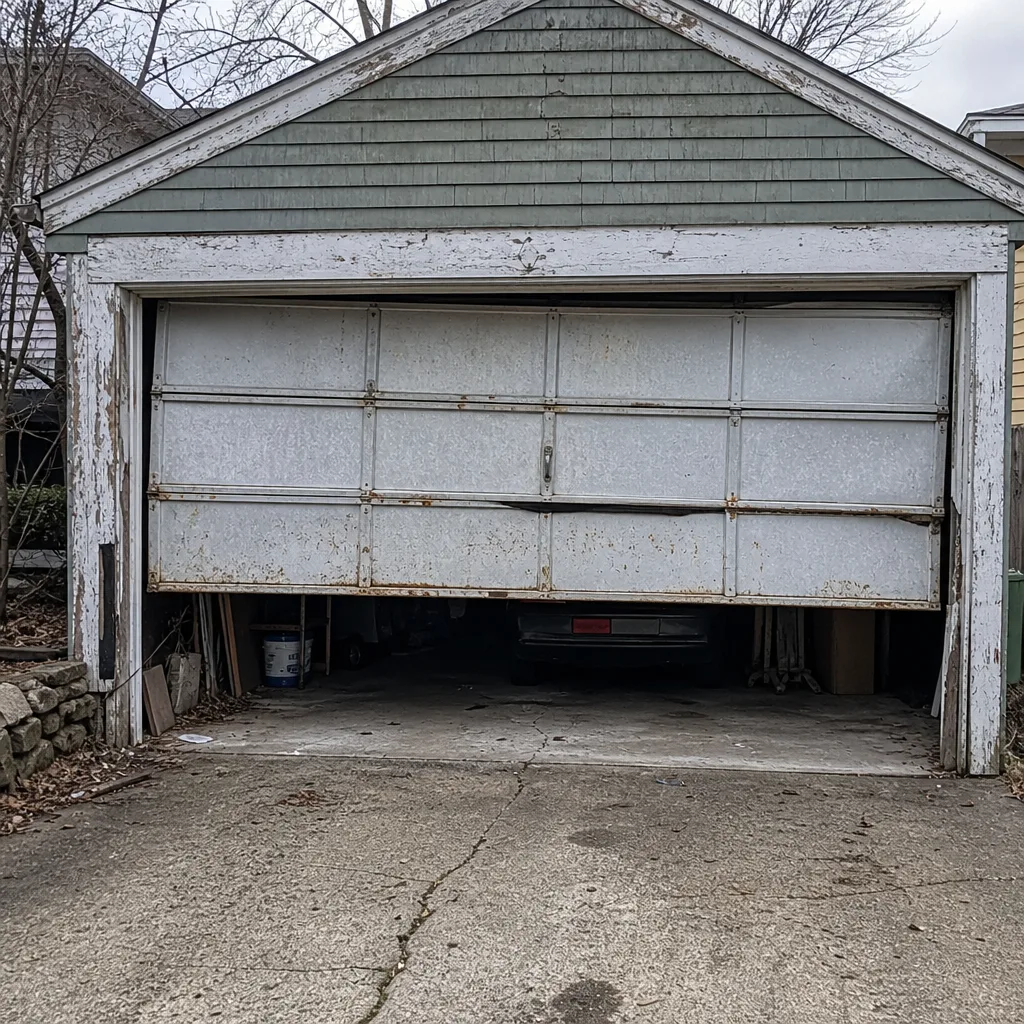 Before
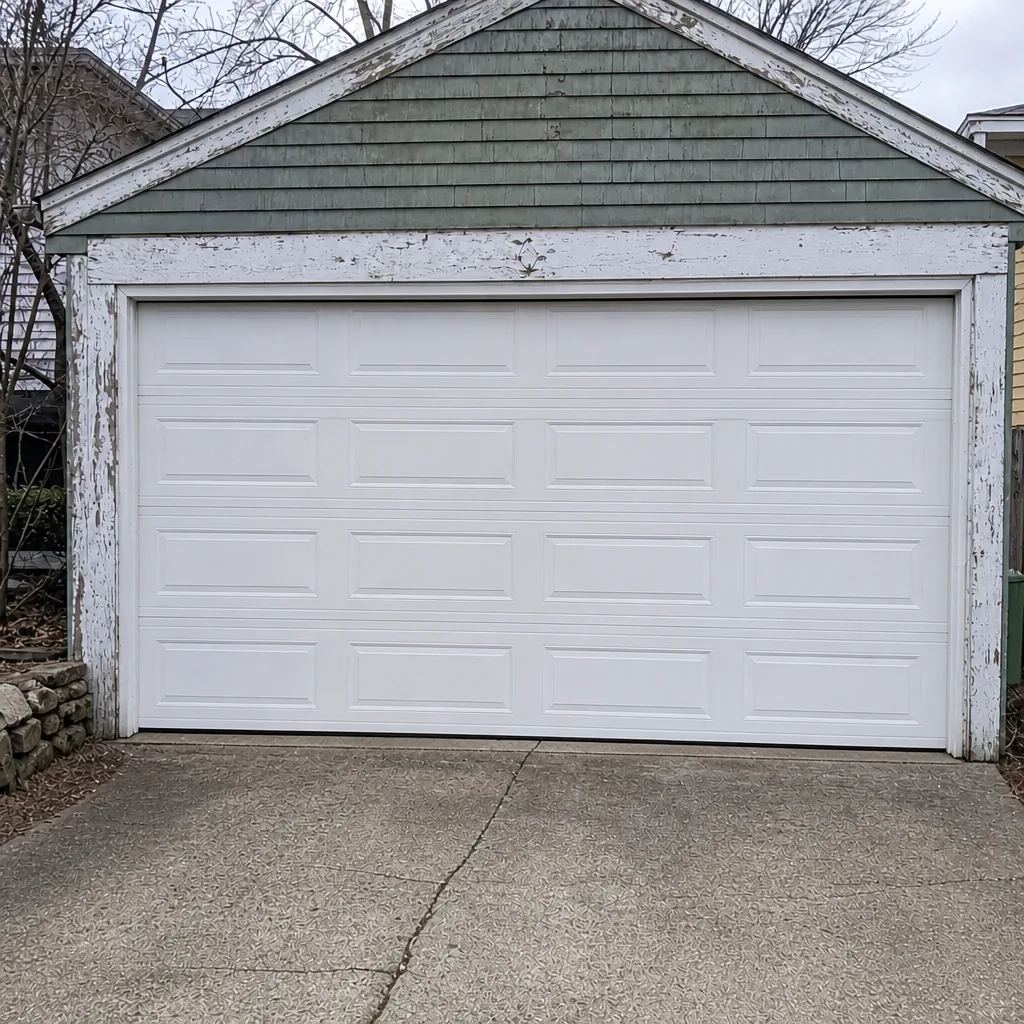 After
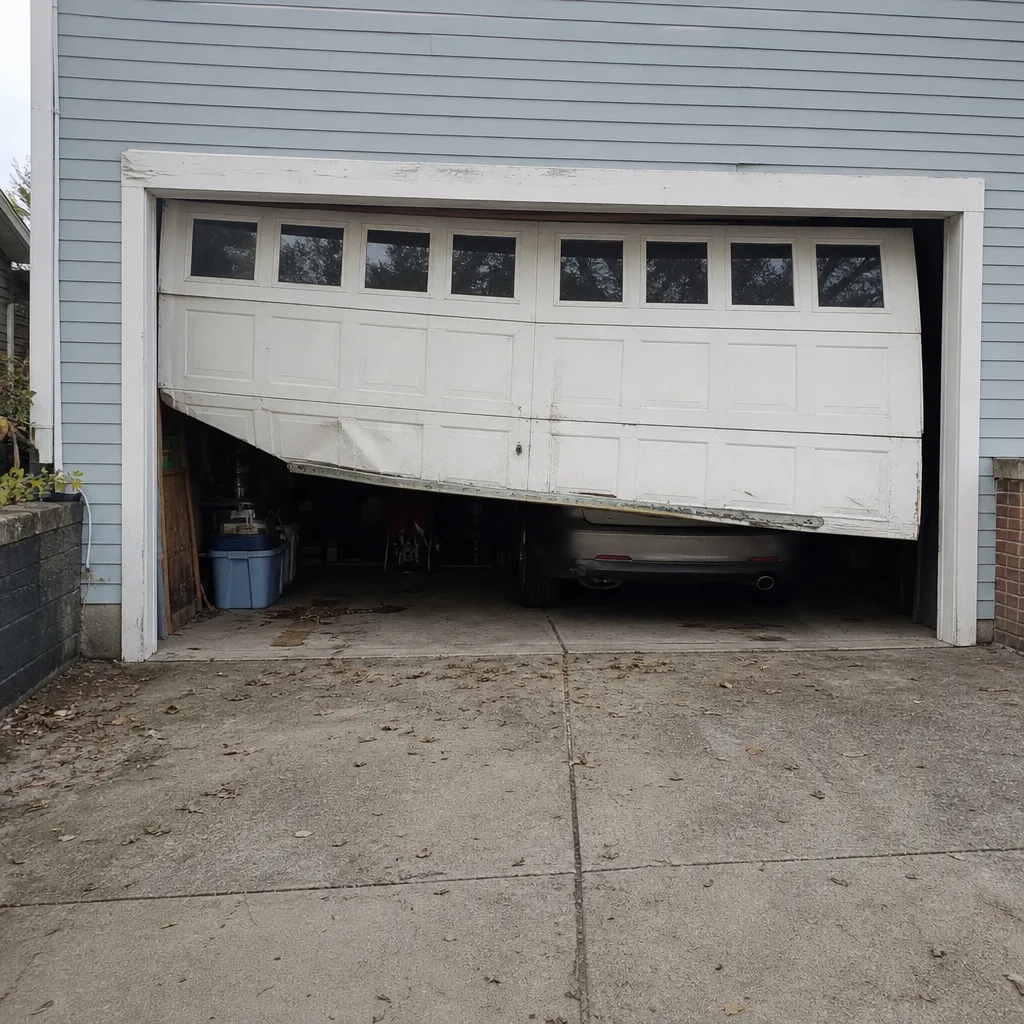 Before
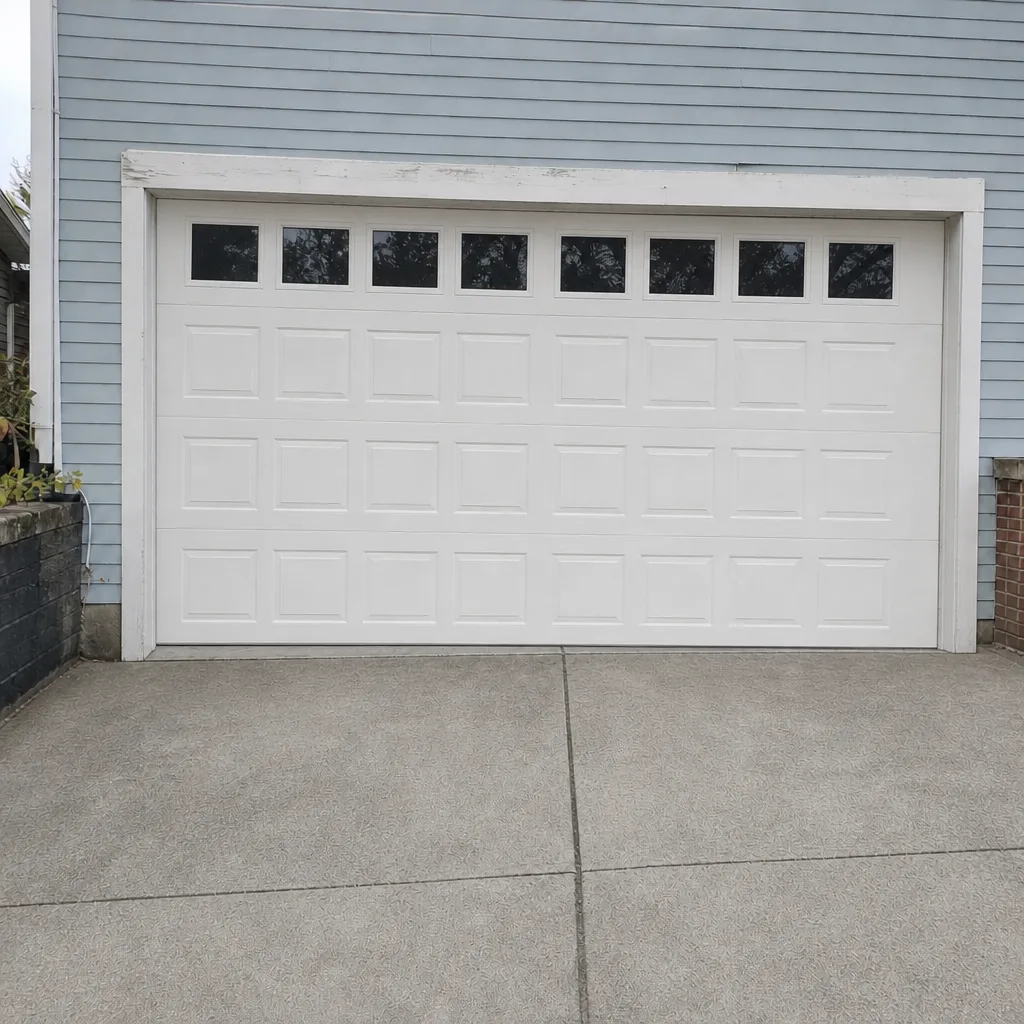 After
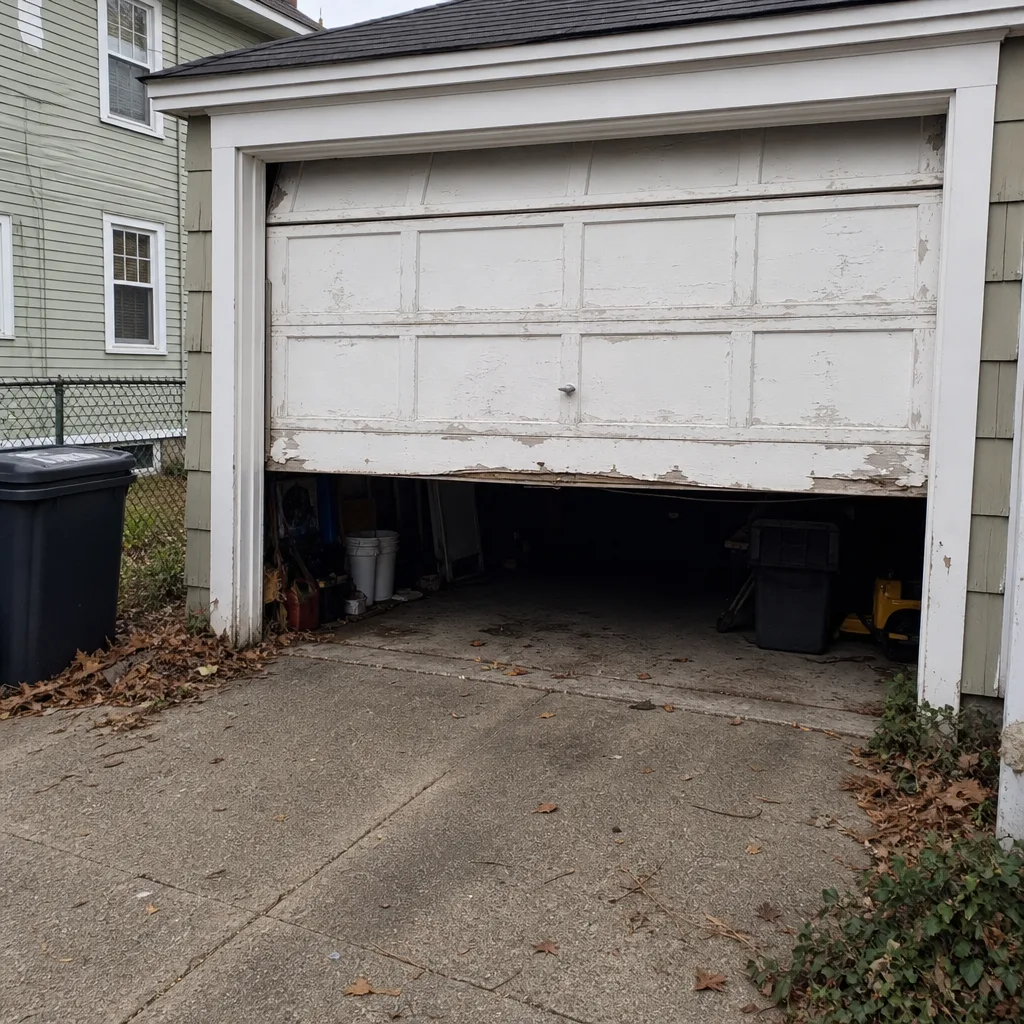 Before
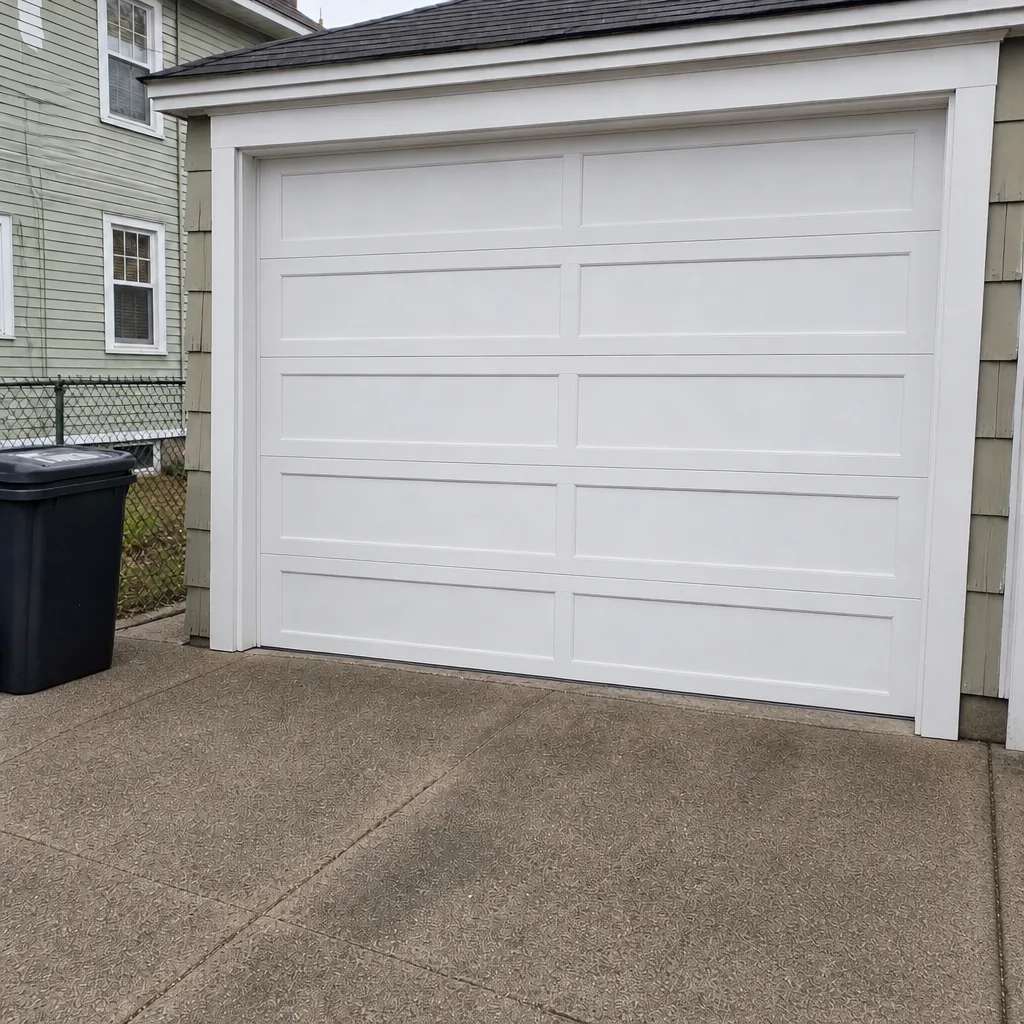 After
When to Call a Professional
Some seasonal maintenance is within reach for a careful homeowner: rinsing salt off the hardware, lubricating rollers, cleaning tracks, testing the safety reverse. But several of the most important checks should be done by a trained technician. If your door won’t balance, if you see a frayed or slack cable, if a spring looks worn or the door feels much heavier than it used to, stop and call. Spring and cable work is genuinely dangerous, and a domestic fix on these parts can cause serious injury. The same goes for opener diagnostics when the door reverses unexpectedly, and for anything that involves the door coming off its track.
Somerville Garage Door Repair Co offers free estimates in Somerville – call (877) 330-6542. We’re a dedicated garage door specialist, not a general home repair company, and our technicians have up to 12 years of experience with the brands already in Somerville homes. The price is quoted and agreed before any work starts, so you’ll know what you’re paying for the moment you approve it.
Frequently Asked Questions
Twice a year at minimum: a full prep sequence in November before the first hard freeze and a lighter inspection in late March as the freeze-thaw window opens. Summer maintenance – seals, wood sections, opener settings – is a short check rather than a full service, but it should still happen in July or August. In Somerville’s climate, those three touchpoints catch almost everything.
Because the damage starts in November. Winter prep that’s skipped in the fall shows up as frozen bottom seals, contracted spring tension, and stiff rollers once the cold digs in for months. February is when those accumulated problems finally stop the door. Doing the November sequence prevents most of it. If the door is already stuck, call us – emergency service is available when the door won’t move.
Yes for rollers and hinges with a proper garage door lubricant. No for the springs and cables – those are under tension and shouldn’t be handled. Stick to lubricant on the moving parts and visual inspection only on springs and cables. If anything looks frayed or slack, call a technician.
Yes. Salt tracked in from Route 28 and McGrath Highway lands on bottom brackets, hinges, and track, and once corrosion sets in it eats into the metal. Rinsing the lower hardware with plain water and lubricating the hinges during salt season is the easiest way to slow that down. Don’t pressure-wash the opener or spring assembly.
Pricing depends on the specific job, and the written estimate sets the final price. We quote and agree on the cost before any work starts, so there are no surprises on the invoice. Call (877) 330-6542 for a free estimate – we’ll tell you exactly what the job needs first.
Almost certainly. We work on LiftMaster, Chamberlain, Genie, Clopay, Amarr, Wayne Dalton, Craftsman, Raynor, and other major brands found in Somerville homes. Because we specialize in garage doors only, you won’t get a generalist who has to figure out your brand on the job. One call covers the door, the opener, the springs, or a full installation.
The Bottom Line
Somerville’s garage doors fail in a pattern set by the city’s climate, not a generic seasonal chart. The November prep sequence is the most important work of the year, March and April are the peak window for cable failures as freeze-thaw cycles accumulate, summer humidity quietly degrades wood sections and weather seals, and road salt does ongoing damage to the lower hardware. Handle the routine checks yourself, call a trained technician for springs, cables, and anything off-track, and organize your maintenance around the weather events that actually matter here rather than arbitrary calendar quarters. That’s how a Somerville door gets through the year without a February surprise. For garage door repair, opener work, spring service, or a new installation, call (877) 330-6542 for a free estimate. We’re a garage door specialist, and one call covers the full lifecycle of your door and opener.
Written by the team at Somerville Garage Door Repair Co.